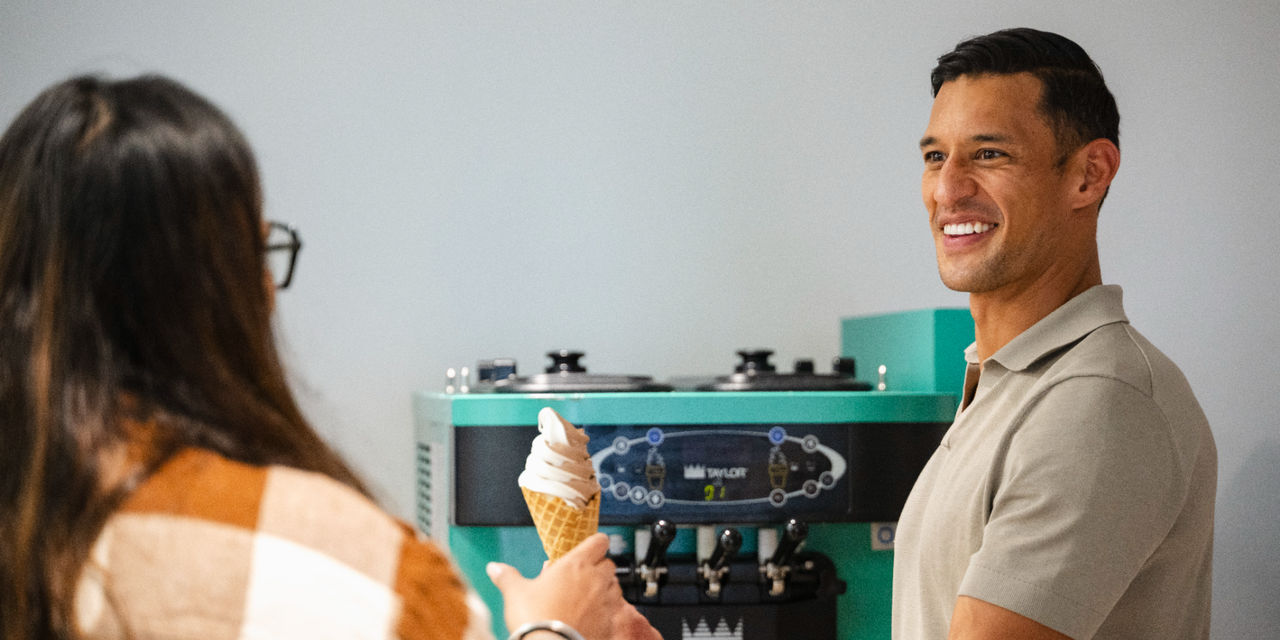
How to Add a Frozen Dessert Program to Your Canadian Restaurant
Learn how to add a frozen dessert program to your Canadian restaurant. Compare soft serve, slush, and batch freezer options, calculate ROI, and choose the right Taylor machine for your volume.

How to Add a Frozen Dessert Program to Your Canadian Restaurant
Adding a frozen dessert program is one of the highest-ROI decisions a Canadian restaurant operator can make. The math is straightforward: a single soft serve portion costs roughly $0.30 to $0.50 in product, and sells for $3.00 to $6.00 at the counter. That kind of margin is difficult to find anywhere else on a menu, and frozen dessert equipment runs largely unattended once it is set up and dialled in.
But not every frozen dessert program succeeds, and the difference between a machine that pays for itself in six months and one that collects dust in a corner usually comes down to three things: choosing the right equipment category for your concept, understanding your volume requirements before you buy, and working with a supplier who provides real training and ongoing support.
This guide walks through every step of building a frozen dessert program, from choosing between soft serve, slush, and batch freezer equipment to calculating your payback period, pricing your menu, and launching with confidence.
Why Frozen Desserts Are One of the Highest-Margin Items You Can Add
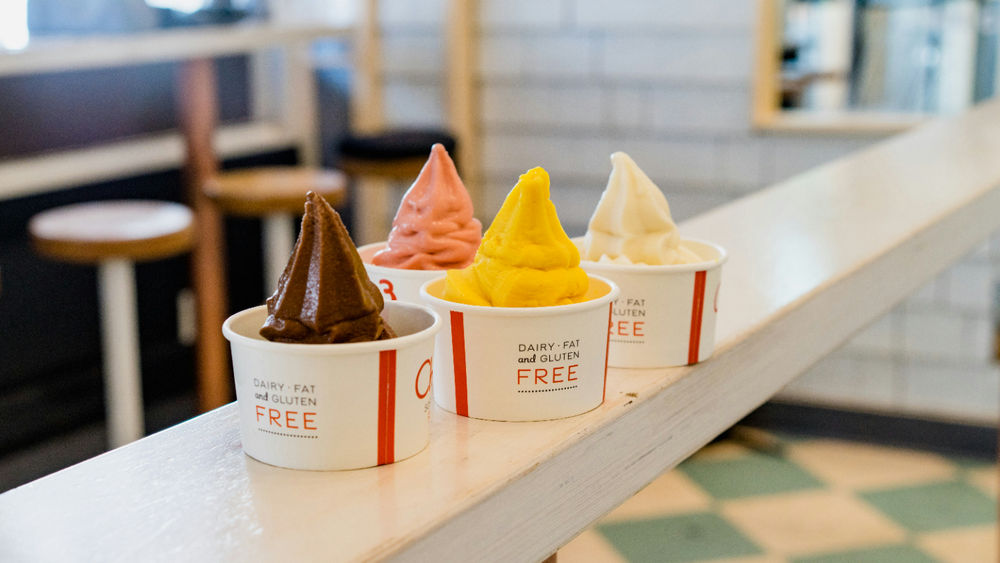
The food service industry typically targets a food cost percentage of 28 to 32 percent. Frozen desserts routinely hit 15 to 25 percent food cost, depending on the machine type, mix quality, and portion size. That gap is what makes the category so compelling.
Consider a mid-volume QSR running 150 soft serve units per day at a $4.00 average sell price. That is $600 in daily revenue. At a 20 percent food cost, the contribution margin is $480 per day, or roughly $14,400 per month from a single machine. A commercial soft serve unit typically costs between $15,000 and $25,000. At that revenue rate, the payback period is well under two months.
Real-world results vary based on traffic, price point, and program execution, but the underlying economics are hard to argue with. Soft serve and frozen dessert margins consistently outperform almost every other menu category, including beverages, appetizers, and most entrées.
Beyond the margins, frozen dessert programs have a documented effect on ticket size. Customers who add a dessert spend 15 to 30 percent more per visit on average. They also return more frequently because a signature frozen dessert creates a reason to come back that a standard menu item does not.

The Four Main Categories of Frozen Dessert Equipment
Before you can size your program or calculate ROI, you need to decide which type of frozen dessert equipment fits your concept. Each category serves a different operational need, and choosing the wrong one leads to underutilization or capacity problems.
Soft Serve Machines
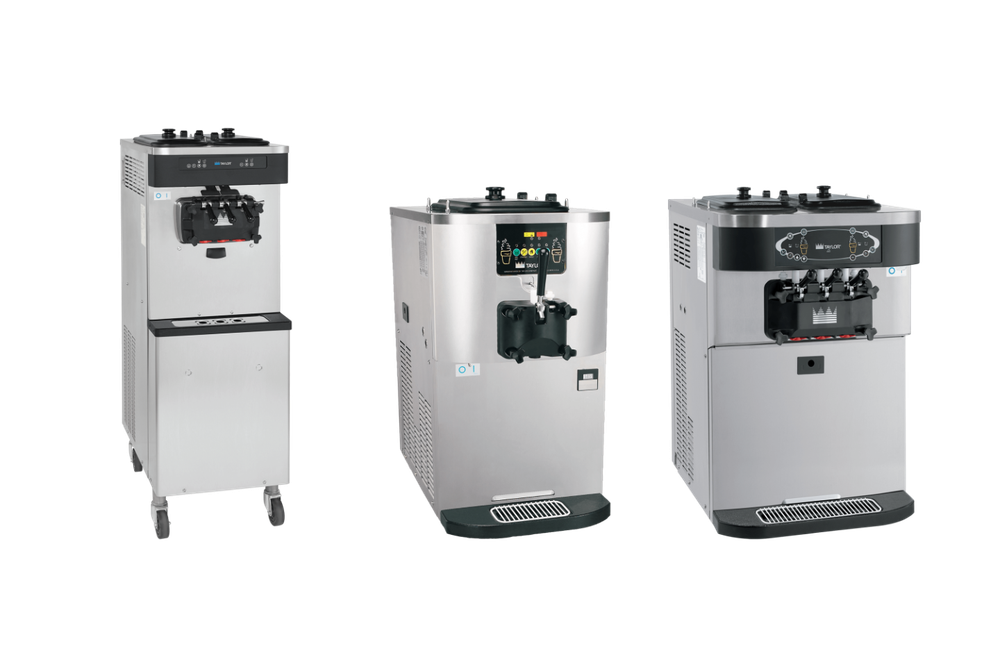
Soft serve machines are the anchor of most frozen dessert programs. They produce a smooth, aerated product at a consistent temperature using a continuous-churn mechanism. Modern commercial units from brands like Taylor offer gravity-fed or pressurized configurations, single or dual flavours, and a twist option.
Gravity-fed models are simpler to clean and operate, making them a strong choice for QSR environments and operations where staff turnover is high. Pressurized models produce a denser, higher-overrun product that holds its shape better, making them ideal for dip cones, elaborate builds, and soft serve menus where presentation matters.
Capacity is measured in servings per hour. A single-flavour Taylor C709 handles lower-volume counters and ghost kitchens well. The Taylor C723, C750, and C752 series are designed for QSR throughput requirements, with dual-flavour capability and high-speed recovery so the machine keeps up during rush periods.
For a deeper look at how these machines work mechanically, including the pasteurization cycle, overrun settings, and auto-wash features, the TFI Canada guide on how soft serve ice cream machines work breaks it down clearly.
Slush and Frozen Beverage Machines
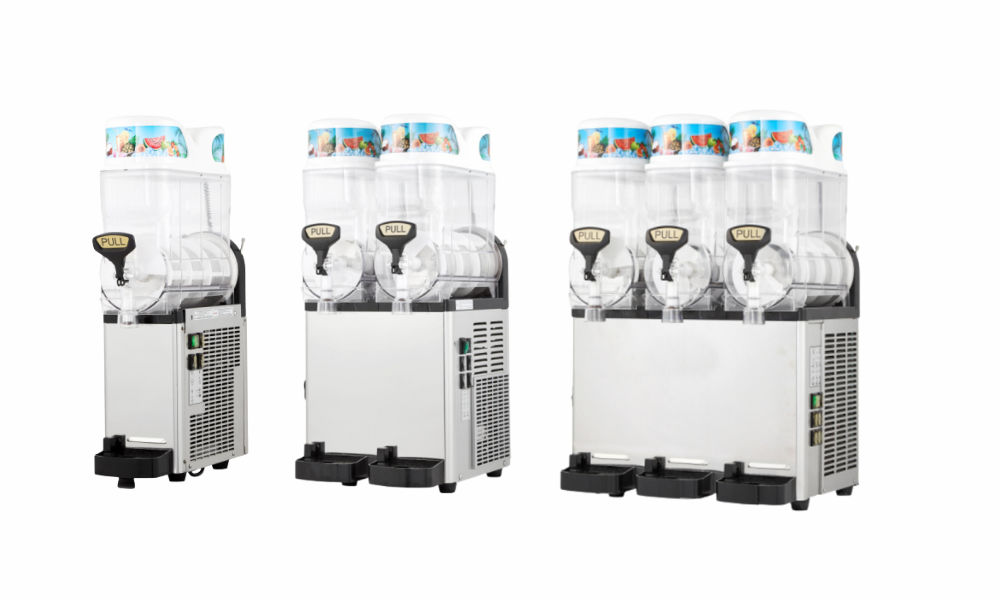
Slush machines use a different principle than soft serve. Rather than churning air into a dairy or non-dairy mix, they suspend flavoured syrup or juice concentrate in a partially frozen state that is constantly agitated to prevent full crystallization. The result is a granular, icy drink that is served from a spigot.
Slush programs appeal to a younger demographic and work exceptionally well in convenience stores, food courts, amusement venues, and fast-casual concepts that want a dessert beverage rather than a plated frozen dessert. Product cost is typically even lower than soft serve because syrup concentrate is inexpensive and yield per litre of mix is high.
Taylor's slush machines, including the multi-bowl granita models, allow operators to run multiple flavours simultaneously and swap flavours quickly, which keeps the menu feeling fresh without operational complexity.
To understand the mechanics behind slush machines and how to optimize your mix ratios, the TFI Canada resource on how slush machines work is worth reviewing before you buy.
Batch Freezers
Batch freezers are used to produce hard ice cream, gelato, sorbet, and frozen yogurt in discrete batches rather than continuously. They are the choice for artisan ice cream shops, hotel restaurants, upscale QSRs that want a proprietary signature dessert, and any operation where a differentiated, made-in-house product is part of the brand identity.
The trade-off compared to soft serve is that batch freezers require more hands-on involvement. Each batch takes time to freeze, must be transferred to a hardening cabinet for storage, and requires more precise recipe control. The reward is a product that is genuinely unique to your operation and that commands a price premium.
If you are considering both soft serve and batch freezers and need help deciding which approach fits your concept, the TFI Canada comparison on soft serve vs. batch freezers lays out the key differences across volume, labour, product quality, and ROI.

Frozen Yogurt Dispensers
Frozen yogurt dispensers are a subset of soft serve that uses a live-culture yogurt mix rather than standard ice cream mix. They operate on the same machinery platform as soft serve, so the equipment investment is similar. The distinction is in the mix, the branding, and the customer perception. Frozen yogurt programs tend to attract health-conscious consumers and pair naturally with topping bars, which increase ticket size.
Calculating ROI Before You Commit to Equipment
Every equipment decision should start with a basic pro forma. The inputs are simple, and running the numbers before you sign a purchase order eliminates most of the risk.
Step 1: Estimate your daily unit volume. Start conservative. If you are a 200-seat restaurant with strong dessert traffic, 80 to 120 units per day is a reasonable starting assumption. If you are a QSR, your soft serve volume will scale more directly with total customer count. A common industry benchmark is that 10 to 20 percent of customers at a QSR will order a frozen dessert if it is prominently merchandised.
Step 2: Set your average sell price. In Canada, soft serve ranges from $2.50 for a basic cone to $6.00 or more for a loaded sundae. A realistic average for most operations is $3.50 to $4.50. Slush beverages typically sell in the $2.50 to $4.00 range.
Step 3: Calculate your daily margin. Multiply your daily units by your average sell price to get daily revenue. Then multiply by your gross margin percentage (typically 75 to 85 percent for soft serve) to get daily contribution margin.
Step 4: Divide equipment cost by daily margin. This gives you your payback period in days. A $20,000 machine generating $400 per day in contribution margin pays for itself in 50 days of full operation.
Step 5: Factor in seasonality. In most Canadian markets, frozen dessert volume peaks in May through September and drops in the colder months. If you are in a region with a strong winter tourist base or operate in a climate-controlled indoor environment such as a mall food court, the seasonal swing is less dramatic. Build a conservative 12-month projection rather than annualizing your summer peak.

For a detailed breakdown of what monthly profit from a soft serve machine actually looks like in practice, including real numbers from Canadian operators, the TFI Canada analysis on monthly profit from a soft serve machine gives you a framework you can adapt to your own numbers.
Choosing the Right Machine for Your Volume and Concept
Getting the machine category right is the first decision. Getting the specific model right is the second, and it matters just as much.
The most common mistake operators make is undersizing their equipment to save on upfront cost. A machine that cannot keep up with peak demand does two harmful things: it creates customer frustration because of wait times, and it runs the compressor and freezing cylinder at maximum stress continuously, which shortens the machine's lifespan and increases maintenance costs.
The general rule is to match machine capacity to your peak hour demand, not your average demand. If you expect to sell 40 soft serve units in your busiest hour, you need a machine rated for at least 50 to 60 units per hour to maintain product quality and avoid recovery issues.
Taylor machines are the benchmark in the commercial soft serve segment. Taylor has held a dominant position in QSR equipment globally for decades, and their Canadian presence through authorized distributors like TFI Canada means parts availability and service support are reliable. For an overview of what the Taylor soft serve lineup looks like and how to match models to volume requirements, the TFI Canada resource on Taylor ice cream machines covers the current catalogue.
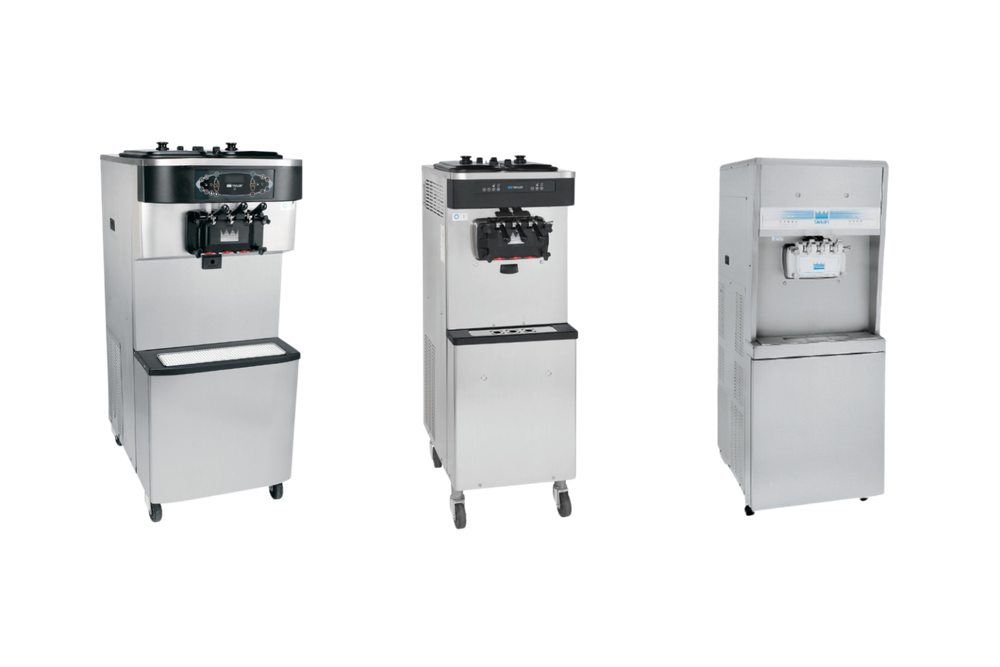
Beyond brand, consider these practical factors when selecting a model:
Footprint. Counter space in Canadian restaurants is consistently the most constrained resource. Measure your available counter depth and width before requesting a quote, and confirm that the machine's ventilation clearance requirements can be met in your specific location.
Water-cooled vs. air-cooled. Air-cooled machines are easier to install and more common in restaurant settings. Water-cooled models run quieter and more efficiently in hot kitchen environments, but they require a water supply connection and produce waste water that must be drained.
Single vs. dual-flavour. Dual-flavour machines add a twist option and give you menu flexibility, but they require more mix inventory management and are slightly more complex to clean. For a high-volume single-SKU program, a single-flavour machine is often more reliable and easier to staff.
How to Launch Your Frozen Dessert Program in Five Steps
Step 1: Define Your Menu Before You Specify the Equipment
Do not start by choosing a machine. Start by defining what you want to sell. A classic soft serve cone program requires different equipment than a build-your-own sundae program or a frozen beverage menu. The menu determines the machine, not the other way around.
Write out your initial menu, including base products, portion sizes, toppings, and packaging. This exercise will also clarify your storage requirements for toppings, mix inventory, and finished product.
Step 2: Source Your Mix
The mix you use has a direct impact on product quality, food cost, and customer satisfaction. For soft serve, mix comes in liquid or powder form. Liquid mix is more consistent and produces a better product in most conditions, but it has a shorter shelf life and requires more refrigerated storage space. Powder mix is shelf-stable, more forgiving in terms of inventory management, and works well in lower-volume operations.
Your equipment supplier should be able to recommend approved mix suppliers for the specific machine you choose. Using the wrong mix formulation can affect overrun, freezing point, and even void your warranty.
Step 3: Train Your Staff Thoroughly
A soft serve machine that is improperly cleaned or operated will produce an unsafe product and break down prematurely. Staff training is not optional. Before opening your frozen dessert program, every team member who will operate the machine should complete a full training cycle that covers daily cleaning procedures, mix replenishment, temperature monitoring, and basic troubleshooting.
Taylor's NSF-required cleaning cycles are built into the machine's operating system on most modern models. Even so, operators need to understand what the cycle is doing and how to verify it completed correctly.
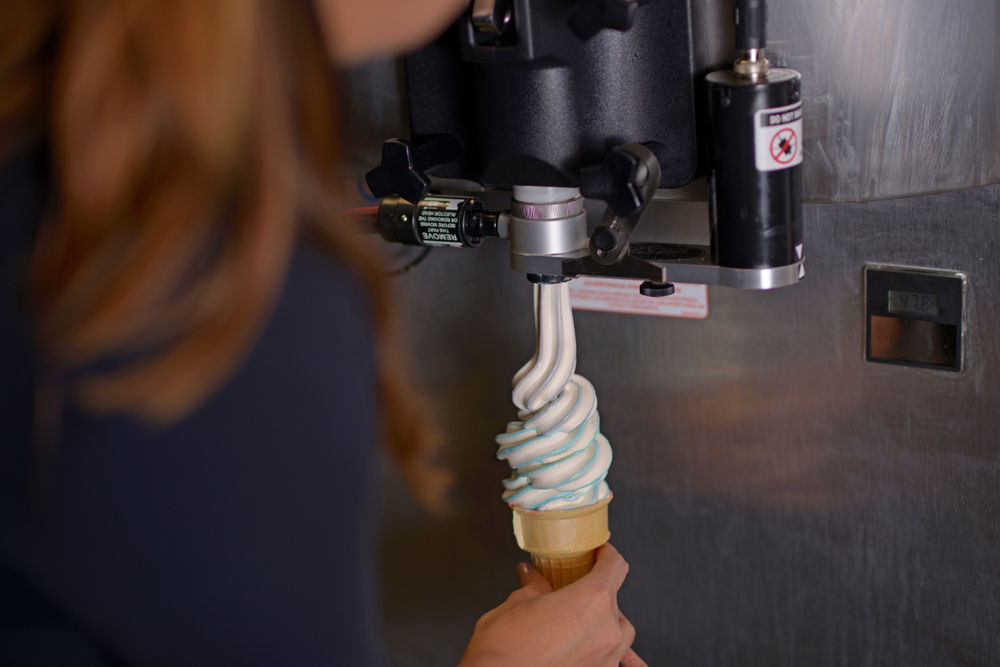
Step 4: Set Your Pricing and Merchandise Aggressively
Frozen desserts are an impulse purchase. Customers who were not planning to order dessert will buy one if it is visible, attractively displayed, and priced accessibly. Position your machine where customers can see it from the ordering area. Use clear POS signage and digital menu boards that show the product.
Consider a launch pricing strategy such as introductory pricing or a limited-time combo bundle to drive initial trial. Once customers experience the product, repeat purchase rates for frozen desserts are high.
Step 5: Monitor Performance Weekly for the First 90 Days
The first three months of a frozen dessert program reveal your actual demand curve, your peak service window, your staff efficiency, and your true food cost. Track units sold, average sell price, waste, and mix usage on a weekly basis. Adjust your ordering quantities to avoid both stockouts and spoilage. If you are consistently selling out in your first two hours of service, you either need a higher-capacity machine or a second unit.
Frozen Dessert Menu Ideas and Pricing Strategy for Canada
The most successful frozen dessert programs in Canada share a common characteristic: a clear signature item. Rather than trying to offer everything at once, they lead with one hero product that is easy to execute and visually strong, then expand from there.
Here are the menu frameworks that perform well across different Canadian restaurant categories:
QSR and fast casual: A two or three SKU soft serve menu works best. Classic cone, loaded cone (dipped or topped), and a limited-time seasonal flavour give customers choices without creating complexity. Price the classic cone at $2.99 to $3.49 and the loaded build at $4.49 to $5.49.
Family dining: A sundae program built on soft serve pairs well with table service. Offer a base sundae with two topping choices in the $4.99 to $6.99 range. Add a hot fudge or caramel warm topping option to increase perceived value and ticket size.
Convenience and forecourt retail: Slush beverages are the dominant format. Run two to four flavours with regular seasonal rotations. Price at $2.49 to $3.99 depending on cup size. Combo with snack items to drive basket size.
Specialty or artisan concepts: Batch freezer programs allow you to differentiate on flavour and quality. A rotating roster of four to six artisan flavours, sold by the scoop in cups or cones at $4.00 to $7.00 per serving, commands a price premium that reflects the product quality.
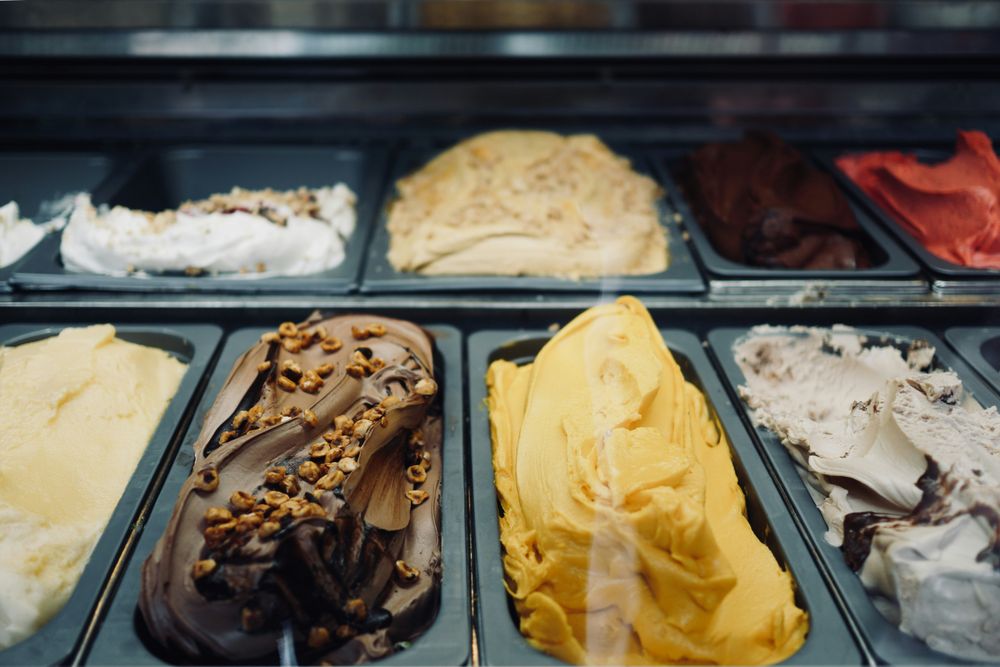
For inspiration on which frozen beverage formats are performing best across Canada right now, the TFI Canada overview of popular soft serve and frozen beverages in Canada highlights the current trends.
Why Your Supplier Relationship Matters as Much as Your Equipment Choice
In Canada, frozen dessert equipment support is not uniform across suppliers. Some distributors operate primarily as order-takers who ship equipment and move on. Others, like TFI Canada, function as long-term program partners with trained technicians, parts inventory, and operator support resources built into their service model.
The distinction matters most in two scenarios: when something goes wrong during service and you need a technician quickly, and when you are scaling your program and need guidance on next steps.
An authorized distributor relationship also ensures that your machine's warranty remains intact, that you are using approved mixes and replacement parts, and that any software or calibration updates from the manufacturer reach you.
TFI Canada has been distributing Taylor food service equipment across Canada for decades and maintains a network of service technicians across major markets. For operators evaluating whether a frozen dessert program is right for their concept, TFI Canada offers consultations, demo opportunities, and business case support before you commit to a purchase.

To learn more about the full range of benefits a properly executed soft serve program delivers, including customer retention, check size lift, and competitive differentiation, the TFI Canada resource on benefits of selling soft serve ice cream is a useful read.
Frequently Asked Questions
How much does a commercial soft serve machine cost in Canada?
Commercial soft serve machines from established manufacturers range from approximately $12,000 for entry-level single-flavour gravity-fed units to over $40,000 for high-capacity dual-flavour pressurized machines with advanced automation features. Taylor commercial units, which are widely regarded as the industry standard, typically fall in the $15,000 to $30,000 range depending on the model and configuration. Financing and leasing options are available through most authorized distributors including TFI Canada, which can reduce upfront capital requirements significantly.
What is the payback period for a frozen dessert machine?
Payback periods vary based on volume, sell price, and food cost, but most operators achieve full payback within six to eighteen months. High-volume QSRs operating in peak markets can see payback in as little as two to three months. The key variables are daily unit count and average sell price. Using a conservative estimate of 80 units per day at $4.00 average with a 75 percent margin produces approximately $240 in daily contribution margin, which covers a $20,000 machine in roughly 83 days of operation.
What is the best frozen dessert machine for a restaurant in Canada?
For most Canadian restaurants, a Taylor gravity-fed soft serve machine in the C700 or C750 series offers the best balance of reliability, product quality, ease of operation, and service availability. The right model within that range depends on your expected peak-hour volume and whether you want single or dual-flavour capability. Taylor machines are the most widely serviced commercial soft serve equipment in Canada, which gives you the best access to parts, trained technicians, and manufacturer support.
How do I choose between soft serve and a batch freezer?
The decision comes down to your concept and your labour model. Soft serve machines operate largely autonomously once loaded and cleaned, making them ideal for high-volume quick-service environments. Batch freezers require active involvement to produce each batch, transfer product to a hardening cabinet, and manage rotating inventory. Batch freezers make sense when a proprietary or artisan product is central to your brand and when you have trained kitchen staff who can dedicate time to the production process. For most QSR and fast-casual operators, soft serve is the better starting point.
How much space does a soft serve machine require?
Most commercial soft serve machines have a countertop footprint between 18 and 28 inches wide and 22 to 34 inches deep. You also need to account for ventilation clearance, typically 4 to 6 inches on the sides and rear for air-cooled models, as well as access to a 208V or 240V electrical outlet. Total counter space including clearance is typically 30 to 36 inches wide. Always confirm specific dimensional requirements with your equipment supplier before purchasing.
How do I maintain a commercial soft serve machine?
Daily maintenance includes a complete cleaning and sanitizing cycle, which is required by health code in all Canadian provinces when the machine is in service. Weekly maintenance includes disassembly and deep cleaning of the freezing cylinder, beater, and draw valve components. Annual preventive maintenance by a certified technician covers compressor inspection, refrigerant charge verification, seal replacement, and calibration. TFI Canada provides service agreements for Taylor equipment that cover scheduled maintenance and priority support for service calls.
Conclusion
A frozen dessert program is one of the few food service investments that pays for itself quickly, improves with scale, and creates a measurable lift in customer frequency and ticket size. The Canadian market supports strong frozen dessert demand across all restaurant categories, with particular momentum in soft serve, frozen beverages, and premium artisan formats.
The most important steps are choosing the right equipment category for your concept, sizing correctly for your peak volume, and partnering with a supplier who supports you after the sale. If you are evaluating whether a frozen dessert program makes sense for your operation, TFI Canada's team can walk you through the numbers for your specific concept.
To explore the full range of soft serve and frozen dessert equipment available for Canadian operators, visit tficanada.com or contact TFI Canada directly to request a consultation.

Nicole Camposeo-Cheung is the Director of Marketing, People & Culture at TFI Food Equipment Solutions, Canada’s leading provider of premium commercial foodservice equipment. She combines her expertise in business management and fashion arts to foster a dynamic, innovative, and people-centric corporate culture. Passionate about empowering teams, building strong client relationships, and driving growth through creativity and collaboration, Nicole plays a key role in shaping TFI’s brand and workplace culture. She also shares her industry expertise and insights through the TFI blog, helping foodservice professionals stay informed about the latest trends, best practices, and innovations in commercial food equipment.
Add a comment
This will be publicly visible.
Your email address will not be published.
Your comment will be reviewed by an admin before it is published.


