How to Cut Fryer Oil Costs in Half: A Guide for Canadian Restaurant Operators
Canadian restaurant operators spend $20,000–$40,000/year on fryer oil. Learn how structured oil management, automated filtration, and the right equipment can cut those costs by 30–50%. TFI Canada serves Ontario & Atlantic Canada.

Cooking oil is the most overlooked recurring cost in a commercial kitchen. Labour gets tracked to the hour. Food cost gets reviewed every week. But oil? Most operators change it on gut feel, train staff inconsistently, and have no reliable way to know whether they are throwing away oil that still had days of life in it — or serving customers food cooked in oil that should have been swapped out two days ago.
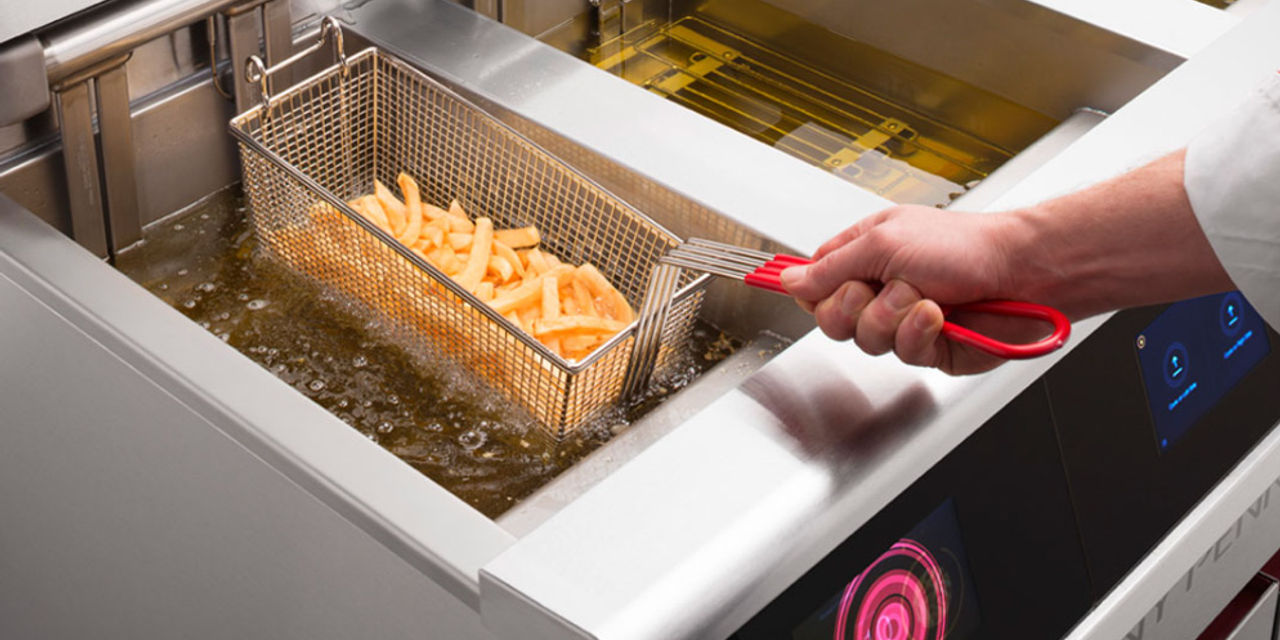
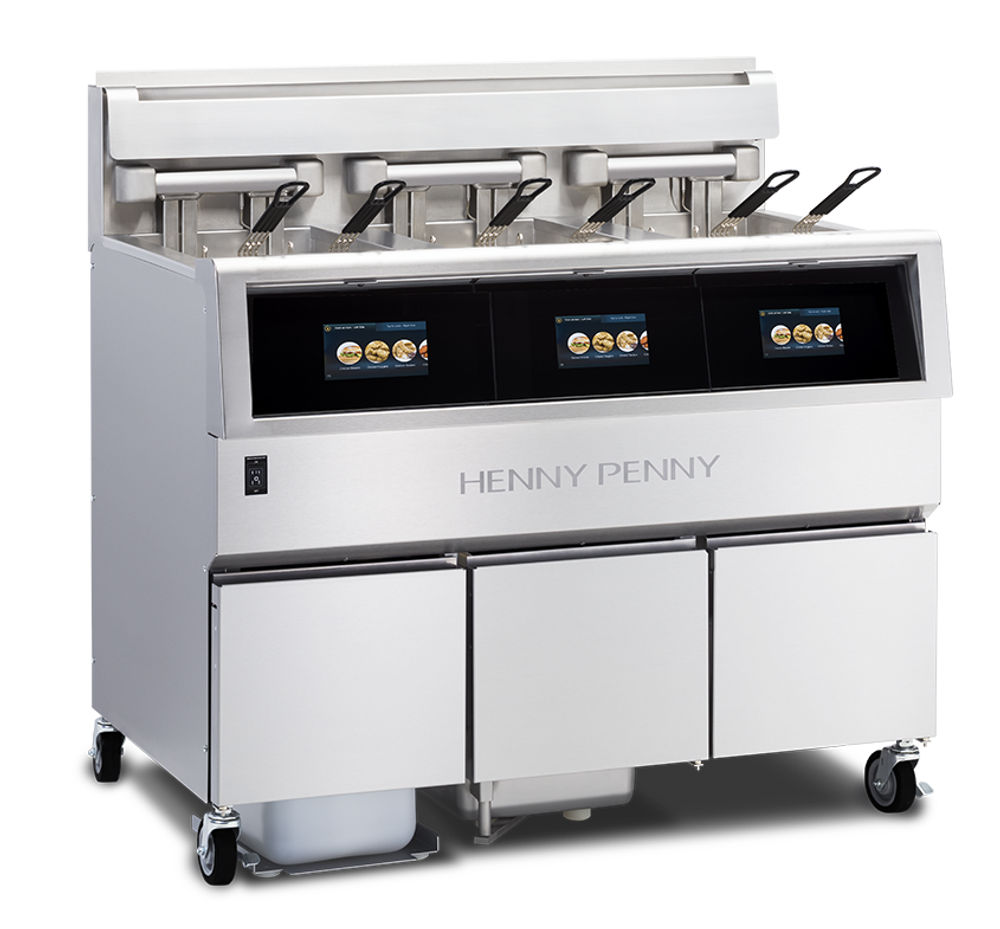
At current Canadian commodity prices, a mid-volume QSR running three or four fryer vats can spend $20,000 to $40,000 per year on cooking oil alone. Operations that implement structured oil management programs consistently report cutting those costs by 30 to 50 percent without sacrificing product quality. In a business where net margins run 5 to 10 percent, a $10,000 reduction in annual oil spend has the same bottom-line impact as generating an additional $100,000 to $200,000 in revenue. The Henny Penny Evolution Elite low-oil-volume fryers with built-in filtration discussed below are the equipment side of that saving.
This guide covers the full picture: what degrades frying oil and why, how to audit your current program, what automated filtration technology actually does, and how Canadian operators can build a daily oil discipline that pays back measurably.
Why Fryer Oil Costs Have Become a Bigger Problem in Canada
Canadian canola oil prices have risen sharply over the past three years, driven by drought conditions in Prairie growing regions, elevated input costs, and global commodity pressure. Operators who were budgeting $1.20 to $1.40 per kilogram five years ago are now paying $1.80 to $2.40 per kilogram depending on volume, supplier, and region. In Ontario and Atlantic Canada — where TFI Canada primarily serves operators — the impact has been felt across QSR, grocery deli, and casual dining segments equally.

The price increase alone would be manageable if operators were extracting maximum life from every litre of oil they buy. Most are not. The gap between potential oil life and actual oil life — driven by poor filtration practices, incorrect staff training, and the wrong equipment — is where the real cost sits.
What Actually Degrades Frying Oil
Understanding what breaks oil down is the foundation of managing it intelligently. There are four primary degradation pathways, and all four are controllable to some degree.
Thermal Oxidation
When oil is exposed to high temperatures in the presence of air, oxygen molecules attack the unsaturated fat chains in the oil, breaking them into shorter compounds that make it darker, thicker, and less effective at transferring heat. This process accelerates dramatically above 190°C. Leaving oil at frying temperature during dead periods between service — rather than lowering it to a standby temperature — is one of the fastest ways to shorten oil life.
Hydrolysis
Water from the food you are frying reacts with oil molecules and breaks the ester bonds that hold the fat structure together, producing free fatty acids. Free fatty acids lower the smoke point of the oil, create off-flavours in the finished product, and are a key indicator of oil past its usable life. Breaded and battered products release more moisture than non-breaded items, which is why oil in a fryer running breaded fish or battered shrimp degrades faster than oil running cut fries.
Polymerization
At extended high temperatures, individual fatty acid chains link together into larger polymer molecules. Polymers appear as the dark, viscous foam that forms on the oil surface and the sticky residue that builds up on the fryer walls and heating elements. Polymers are not removed by standard paper filtration — they require either carbon filtration media, oil treatment powders, or, in severe cases, a full oil change and boilout.
Contamination from Food Particles
Every fry load leaves behind crumbs, batter fragments, and protein particles that sink to the bottom of the vat or float on the surface. At frying temperature, these particles carbonize rapidly and release burned compounds into the oil. Carbonized particles are one of the primary causes of off-flavour in fried food, and they accelerate the degradation of the surrounding oil through thermal catalysis. This is why filtration removes particles — not just as a cleanliness measure, but as a direct oil-preservation mechanism.

How to Audit Your Current Oil Program
Before you can improve your oil management, you need an honest baseline. Run through these questions:
How are you deciding when to change oil? If the answer is "when it looks dark" or "every Monday," you have a guessing problem. Visual inspection is not a reliable indicator of oil quality. Oil can look acceptable and still have Total Polar Material (TPM) levels above the safe threshold — and it can look dark but still be within specification because of the product mix you are frying.
How often are you filtering? Industry best practice for a high-volume fryer is filtration at minimum twice per day: once at the end of the lunch rush and once at close. Many operations filter only once daily or less. Each missed filtration cycle allows more particle buildup and more thermal time at high temperature without removing the combustion byproducts driving degradation.
What are you filtering into? Paper filter media alone removes large particles but does not address dissolved polar compounds or fine carbon. Operations seeing rapid oil turnover despite regular filtration are usually running paper only. Adding a filter aid powder such as Henny Penny Prime Filter Powder — which binds to dissolved contaminants as it passes through the filter — can double the useful filtration of each cycle and significantly extend oil life between changes.
Are you managing oil temperature during idle periods? Most modern Henny Penny units have a standby mode that automatically drops oil temperature during low-traffic periods. If your staff is leaving fryers at full frying temperature during a two-hour afternoon lull, you are burning hundreds of hours of accelerated thermal oxidation per month across your fryer battery.
Are you topping off between changes or running full replacement? Frequent small top-offs — replacing the volume lost through cooking and absorption — maintain oil in its optimal performance window longer than running the vat down to a critically low level before a full change. Oil Guardian on Henny Penny's Evolution Elite series automates this top-off using vat-level sensors, so the oil level never drops below the optimal frying level regardless of batch cadence.

The Financial Case for Automated Filtration
The core math behind automated filtration investment is not complicated. The question is how much oil life you are currently leaving on the table.
A standard commercial open fryer holds 50 to 65 pounds of oil. The Henny Penny Evolution Elite with its low-oil-volume design holds approximately 30 pounds. On that size difference alone — before any filtration advantage is applied — the Evolution Elite requires roughly 40 percent less oil inventory per vat change. In a three-vat installation running oil changes every five days, the capital reduction in oil inventory is meaningful.
Add Smart Touch Filtration, which completes a full filtration cycle in four minutes with a single button press, and the change interval extends materially. Operators running structured twice-daily filtration with filter aid powder typically see oil change intervals move from every five to seven days to every ten to fourteen days. At a Canadian oil cost of $2.00 per kilogram, a three-vat operation making that shift saves approximately:
Three vats at 6-day intervals: 3 × 30 kg × (365 ÷ 6) = ~5,475 kg/year
Same operation at 12-day intervals: 3 × 30 kg × (365 ÷ 12) = ~2,738 kg/year
Annual savings at $2.00/kg: ~$5,475
That is the savings from one change: low-volume vats plus disciplined filtration frequency. No other modifications. If oil price rises to $2.40/kg, the same calculation saves $6,570 annually from a single operational change.

Henny Penny's published benchmark for total oil savings through their combined low-volume vat, Smart Touch Filtration, and Oil Guardian platform is up to 50 percent versus traditional fryer configurations. Independent operator data generally lands in the 30 to 45 percent range depending on product mix, filtration discipline, and baseline change intervals. Even at the conservative end, for an operation currently spending $30,000 per year on oil, 30 percent savings is $9,000 returned annually.
Smart Touch Filtration and Oil Guardian: What They Actually Do
It is worth understanding what these systems do mechanically, because the details explain why they outperform manual filtration at equivalent frequency.
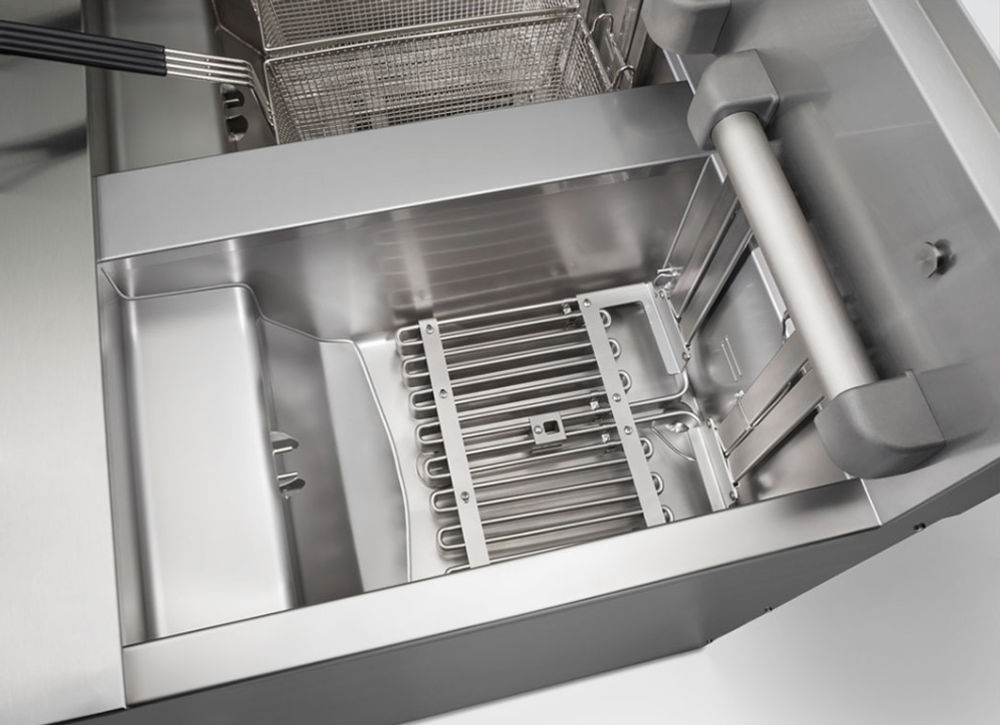
Smart Touch Filtration on Henny Penny's Evolution Elite and upper-tier units tracks cook cycles and prompts operators to filter when the cycle count reaches the threshold set for their product mix. The filter cycle takes approximately four minutes. During the cycle, oil drains from the vat into a built-in filter pan beneath the unit, passes through the filter paper and any filter aid powder loaded into the pan, and pumps back into the vat. A rinse-wave action at the end of the drain phase sweeps crumb buildup from the bottom of the vat into the filter pan, rather than leaving it to continue carbonizing in the hot oil. The entire process requires one button press and no handling of hot oil by staff.
The staff safety dimension is underappreciated. Manual oil filtration using portable filter machines requires moving a heavy container of oil at 180°C — one of the most common sources of severe burns in commercial kitchens. Built-in filtration eliminates that transfer step entirely.

Oil Guardian uses sensors in the fry vat to detect oil level and automatically dispenses fresh oil from a connected reservoir to maintain the optimal level. This eliminates the cycle of running oil low and then over-compensating with a large volume addition — both of which stress the oil. Consistent oil level also means consistent frying coverage around the product, which improves product consistency alongside the economics.
OQMS (Oil Quality Measuring System) is Henny Penny's integrated oil quality sensor available on select models. Rather than relying on visual inspection, smell, or colour to determine when oil needs changing, OQMS measures the actual Total Polar Material content of the oil on a defined test cycle. TPM is the industry-standard measure of oil degradation; most health codes and food safety standards set a maximum usable TPM level. Knowing the actual TPM rather than estimating it stops both premature oil changes (throwing away usable oil because it looks dark) and overdue changes (continuing to fry in oil that has exceeded safety thresholds). For multi-unit operators managing oil quality across locations without being on-site, OQMS data provides objective evidence of compliance and consistency.
Daily Oil Management Best Practices
Automated filtration technology delivers its maximum value when paired with operator discipline. Here is the daily protocol that high-performing fry programs use:
Opening. Before turning fryers to full operating temperature, check oil level, clarity, and smell. Oil that smells rancid or sharp before service even begins should be changed before the first load. Check that filter paper is clean and properly seated. If your unit has Oil Guardian, confirm the reserve container has sufficient fresh oil.
Between service periods. Filter at the end of every heavy service period, not just at close. A fryer running 200 portions during a two-hour lunch rush accumulates significant particle load. Filtering at the end of that period — rather than letting the particles sit and carbonize through the afternoon — significantly slows degradation.
Standby temperature management. If your unit supports it, engage standby mode during any period longer than 30 minutes with no active frying. The temperature reduction slows thermal oxidation without requiring the oil to be fully cooled and reheated, which creates its own stress.
Salt management. Salt is one of the primary accelerants of oil degradation. Never salt food over a fryer vat. Establish a designated salting station away from the fryer line and train every new hire on this protocol from day one.
Closing. Filter fully at close using fresh filter paper and filter aid powder. Check TPM if your unit has OQMS. Log the reading. Record the oil change date and volume added. A simple oil log maintained per vat gives you the data to identify which fryers are consuming oil fastest — which often points to a specific product mix, a specific staff member's filtration habits, or a mechanical issue with the vat.
Choosing the Right Oil for Canadian Commercial Kitchens
Not all frying oils perform the same under the conditions of a commercial fry program, and the choice of oil has a direct impact on how long it lasts and what it costs to run.
Canola oil is the dominant commercial frying oil in Canada for good reason. It is produced domestically in large volume, has a neutral flavour that does not compete with the product being fried, and has a smoke point around 240°C compatible with commercial frying temperatures. High-oleic canola variants are more stable under heat than standard canola and last longer between changes, partially offsetting their higher cost per litre.
Palm oil and palm olein have high stability and long fry life, but carry environmental and supply chain concerns that some Canadian operators and their customers find problematic. Their use has declined in many QSR programs over the past decade for brand perception reasons.
Soybean oil is cheaper than canola on a per-litre basis in most Canadian markets, but it has lower oxidative stability and tends to require more frequent changes at equivalent frying volumes. The cost-per-litre advantage erodes quickly when change frequency is factored in.
High-oleic sunflower or safflower oils offer excellent fry life and clean flavour, but at a significant cost premium over canola that is only justified in premium price-point concepts where the oil choice is part of the brand positioning.
For most Canadian QSR and casual dining operators, high-oleic canola is the best balance of cost, availability, stability, and fry life. Work with your oil supplier to get the actual oleic acid percentage on the specific product you are purchasing — not just the brand name — as formulations vary.
Waste Oil Disposal in Canada: A Hidden Cost
Operators focused on reducing oil purchase costs sometimes overlook the disposal side of the equation. Used cooking oil is a regulated waste in most Canadian jurisdictions. Improper disposal, including pouring it down drains, carries significant fines and creates grease trap problems that generate their own cost and regulatory risk.
Used cooking oil has commercial value as a biodiesel feedstock. Most urban Canadian markets have licensed waste oil collectors who will pick up used oil at no cost or at a small rebate per litre, depending on volume and quality. Establishing a relationship with a certified collector eliminates disposal cost entirely and converts a waste stream into a minor revenue item.
Operations that extend their oil life through better filtration also reduce the volume of waste oil generated per unit of food produced — which reduces collection frequency and the operational complexity of managing on-site waste oil storage.
Frequently Asked Questions
How often should I filter fryer oil in a restaurant?
The industry best practice for a high-volume commercial fry program is filtration at minimum twice per day: once at the end of the peak lunch or dinner service and once at closing. Henny Penny's Smart Touch Filtration system on Evolution Elite fryers tracks cook cycles and prompts operators automatically when a filtration cycle is due. Operations running high-breading-load products such as fish or battered items should filter more frequently, as these products release more moisture and leave more particle residue that accelerates oil degradation.
How much can I save on fryer oil costs with better filtration?
Most Canadian restaurant operators who implement structured oil management programs report a 30 to 50 percent reduction in annual oil purchasing costs. The exact savings depend on your baseline change frequency, product mix, oil capacity per vat, and whether you are using automated filtration equipment. For an operation spending $30,000 per year on cooking oil, a 35 percent improvement represents $10,500 in annual savings — equivalent to the profit impact of roughly $105,000 to $210,000 in additional revenue at typical QSR margins. Contact TFI Canada to model the specific savings for your operation.
What is Total Polar Material (TPM) and why does it matter?
Total Polar Material is the industry-standard measure of cooking oil degradation. TPM counts the concentration of oxidized, hydrolyzed, and polymerized compounds that accumulate in oil as it is used. Most food safety regulations and fryer equipment manufacturers set a maximum safe TPM threshold — typically 24 to 27 percent — above which oil should be discarded regardless of its visual appearance. Henny Penny's OQMS measures TPM automatically so operators know the actual quality of their oil rather than guessing by colour or smell.
What is Henny Penny Prime Filter Powder and how does it work?
Prime Filter Powder is a food-grade filter aid designed for use with Henny Penny fryer filtration systems. Added to the filter pan during the filtration cycle, the powder binds to dissolved polar compounds, fine carbon particles, and other contaminants that standard paper filter media does not capture. Regular use can approximately double the useful life of oil relative to paper filtration alone, by removing the dissolved degradation products that standard filtration leaves behind.
How do I know when fryer oil is actually bad and needs to be changed?
The most reliable indicator is TPM measurement using either a fryer-integrated system like Henny Penny's OQMS or a handheld oil quality testing device. Visual and sensory indicators that suggest oil is approaching end of life include a dark brown to black colour that persists even after filtration, a sharp or acrid smell during frying, excessive foaming or smoking at normal frying temperatures, and a significant increase in oil absorption into the food being fried. Any of these signs warrant a TPM test before the next service period. If TPM testing is not available, erring on the side of changing slightly early is preferable to serving food in degraded oil.
Does the type of food I fry affect how fast my oil degrades?
Yes, significantly. Breaded and battered products with high moisture content accelerate hydrolytic degradation much faster than non-breaded items. Bone-in proteins release more gelatin and moisture than boneless items. Fish and seafood are particularly harsh on oil due to their high moisture content and the natural oxidation accelerants in their flesh. An operation running a mixed menu that includes breaded fish should expect oil life roughly 40 to 50 percent shorter than an operation running only cut fries and non-breaded chicken at equivalent volume. For more on how product mix affects fryer decisions, see our guide on pressure fryers vs. open fryers for chicken. Build your change frequency and filtration schedule around your most challenging product, not your easiest.
Is low-volume oil fryer technology worth the premium?
For most Canadian operations running at commercial volume, yes. The payback calculation on Henny Penny's Evolution Elite low-oil-volume platform — which holds approximately 30 pounds of oil versus 50 to 65 pounds in traditional fryers — typically runs eight to eighteen months through oil savings alone. Beyond the direct savings, lower oil inventory per vat also means faster oil change cycles when a change is warranted, less waste per change, and lower risk from any individual oil quality incident. TFI Canada can model the specific payback period for your operation based on your current oil consumption and pricing before you commit to any equipment decision. Also consider our F5 Low Oil Volume Series as an alternative entry point.
What should I do with used fryer oil in Canada?
Used cooking oil is a regulated waste stream in Canadian provinces and should not be disposed of in drains or general waste. Most Canadian urban markets have licensed waste oil collection services that will pick up used oil — often at no charge or for a small per-litre rebate — as the oil has value as biodiesel feedstock. On-site waste oil storage containers are typically provided by the collector. Establishing a licensed collection relationship eliminates disposal cost, keeps you compliant with provincial waste regulations, and converts a waste stream into a small revenue item.
Conclusion
Frying oil is not a fixed cost. It is a managed variable, and the operators who treat it that way consistently outperform those who do not — on both food quality and cost per unit. The technology to manage it well — including low-volume vats, automated filtration, automatic top-off, and objective quality measurement — exists now and pays for itself within the first year of operation for most Canadian fry programs.
The starting point is an honest audit of your current program: how often you are filtering, what you are filtering into, how you are making oil change decisions, and what you are actually spending. From there, the improvement path is well-defined.
TFI Canada works with operators across Ontario and the Atlantic provinces to model oil savings before any equipment commitment is made. If you want to understand what a Henny Penny Evolution Elite fryer or a Smart Touch Filtration upgrade would save at your specific volume, contact TFI Canada for a consultation.
Start cutting oil costs today. Stock up on filter supplies in the TFI parts shop, and book a service visit to check your fryer's filtration and thermostat. Fryer down? Request urgent service.

Nicole Camposeo-Cheung is the Director of Marketing, People & Culture at TFI Food Equipment Solutions, Canada’s leading provider of premium commercial foodservice equipment. She combines her expertise in business management and fashion arts to foster a dynamic, innovative, and people-centric corporate culture. Passionate about empowering teams, building strong client relationships, and driving growth through creativity and collaboration, Nicole plays a key role in shaping TFI’s brand and workplace culture. She also shares her industry expertise and insights through the TFI blog, helping foodservice professionals stay informed about the latest trends, best practices, and innovations in commercial food equipment.
Add a comment
This will be publicly visible.
Your email address will not be published.
Your comment will be reviewed by an admin before it is published.