
2026 Canadian Foodservice Trends: The Rise of the Autonomous Kitchen
How will Canadian restaurants survive 2026? Discover how cobotics and automated equipment like the Franke A1000 solve the $18/hr labor crisis and protect margins.

As we enter 2026, the Canadian foodservice landscape is being reshaped by a "structural reset." With Ontario's minimum wage hitting $18.00/hour and labour shortages persisting across provinces, operators are transitioning from manual workflows to collaborative automation or what the industry now calls "cobotics."
The focus has shifted from "replacing humans" to augmenting output, utilizing intelligent equipment and integrated systems to maintain 80%+ margins despite escalating costs.
The 2026 Economic Reality: Why Automation is No Longer Optional
The Canadian hospitality sector is facing what Restaurants Canada describes as a persistent challenge: rising labour costs, supply chain volatility, and compressed margins. With minimum wages across major provinces (Ontario, BC, Quebec) stabilizing at or above $18.00, the traditional "low-cost labour" model has officially collapsed.
For a standard QSR or fast casual operation, the math is stark:
When labour costs exceed 35% of gross revenue, profitability becomes difficult to sustain. This economic pressure is the primary driver behind the Autonomous Kitchen movement.
Learn more about industry challenges: Restaurants Canada reports and research.

The Rise of "Cobotics": Human-Machine Synergy
In 2026, the industry has moved past the "gimmick" phase of robotics. Canadian operators are now implementing cobotics, integrated systems designed to handle repetitive, high-precision tasks alongside human staff.
The "Digital Barista" Approach
Automated bean-to-cup coffee systems have become the benchmark for cobotic service in foodservice. The Franke A1000 doesn't just make coffee, it uses iQFlow™ technology to profile flavours in real-time and FoamMaster™ to produce barista-quality milk textures and cold foam automatically.
This addresses one of 2026's fastest-growing beverage trends: cold foam lattes and iced specialty drinks, which Canadian consumers now expect year-round.
Explore: Franke A1000 commercial coffee machine.

Invisible Automation: Equipment That Thinks
Modern commercial kitchen equipment now includes integrated monitoring and predictive maintenance systems that reduce downtime and optimize performance without manual intervention.
For example:
Automated cleaning cycles on coffee machines reduce daily labour by 15–20 minutes per shift
Smart fryer systems with automated oil filtration reduce oil costs by up to 40%
Predictive alerts notify operators before equipment failures occur
Case Study: The Franke A1000 as a Labour Solution
The Franke A1000 commercial coffee machine serves as a force multiplier for 2026 operators. By automating the most technical aspects of specialty coffee, a restaurant can operate with one fewer staff member per shift during peak hours without sacrificing the premium "experience economy" quality that diners demand.
Key Performance Indicators:
Metric | Manual Barista Setup | Franke A1000 Automated |
|---|---|---|
Drinks per hour (peak) | 30–40 | 70–90 |
Training time (new staff) | 40+ hours | 2–4 hours |
Drink consistency rate | 75–85% | 98%+ |
Labour cost per drink | $2.50–$3.50 | $0.80–$1.20 |
The A1000 handles up to 300 cups per day with automated milk texturing, programmable recipes, and self-cleaning systems, making it ideal for high-volume cafés, QSRs, hotels, and corporate offices.
Explore the full Franke lineup: Franke A-Series commercial coffee machines.

Strategic Shift: Moving from Transactional to Experiential
2026 consumers are "trading up" on quality but "trading down" on frequency, according to OpenTable's 2026 dining trends report. They are willing to pay a premium for a customized, high-end beverage or treat, but they have zero tolerance for inconsistency or long wait times.
This is where the Autonomous Kitchen wins. By offloading utility tasks—grinding, frothing, frying, cleaning—to intelligent hardware, your human staff can focus on the emotional connection: hospitality, upselling, and guest experience.
In 2026, hospitality is defined by the quality of the interaction, while the machine handles the precision of the execution.
Review consumer trends: OpenTable 2026 Restaurant Dining Trends Report.
Building Your Autonomous Kitchen: Equipment Categories That Matter
1. Automated Coffee and Beverage Systems
Franke bean-to-cup coffee machines for cafés, QSRs, and corporate dining
Commercial slush machines for high-margin frozen beverages with minimal labour
2. High-Efficiency Cooking Equipment
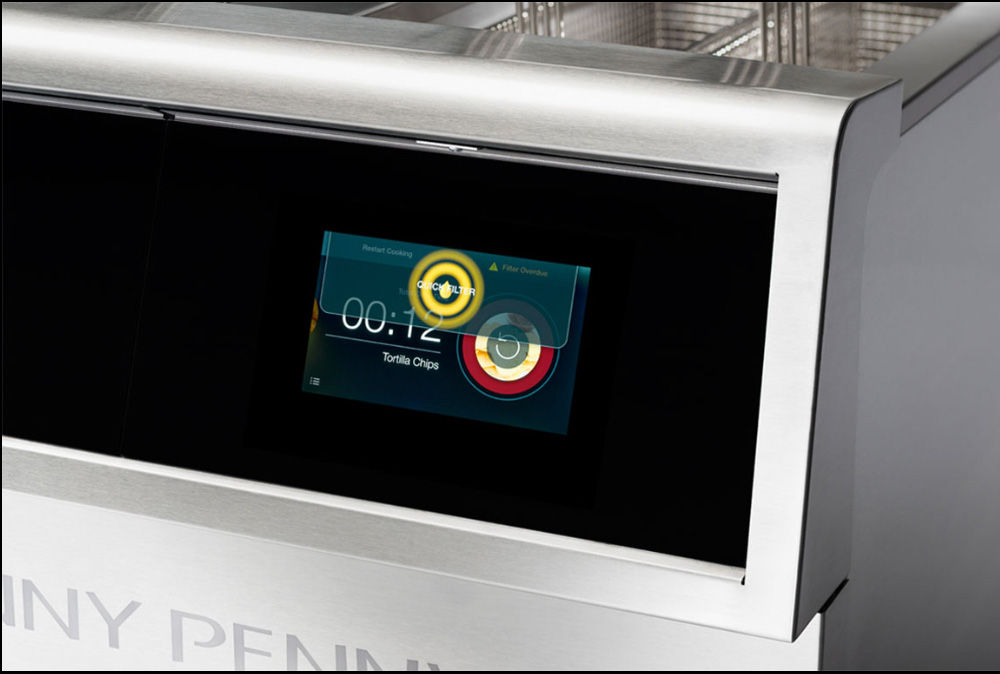
Henny Penny pressure fryers with automated oil management and predictive cook cycles
Two-sided commercial grills that eliminate flipping and standardize cook times
Commercial air fryers for ventless, oil-free cooking
3. Self-Service and High-Margin Desserts
Commercial soft serve machines with 70–80% gross margins and automated dispensing
For a comprehensive overview: TFI commercial equipment lineup.
Protecting Uptime: The Service Layer of Automation
The best autonomous equipment is only valuable if it stays operational. In 2026, planned maintenance and rapid-response service are as important as the equipment itself.
TFI's Service Support Infrastructure
TFI Total Care: Preventive maintenance programs with OEM-trained technicians across Ontario and Atlantic Canada
Commercial equipment repair services: Fast response times and genuine OEM parts
24/7 support access for mission-critical equipment
For financing options that preserve working capital while upgrading to autonomous systems: Restaurant equipment leasing in Canada.
Industry Resources: Staying Ahead of 2026 Trends
Restaurants Canada industry reports and forecasts – Canadian foodservice data and trends
OpenTable 2026 dining trends report – Consumer behaviour and experience economy insights
Restaurant Dive 2026 outlook – North American restaurant trends and technology adoption
Ready to Build Your Autonomous Kitchen Strategy?
The difference between restaurants that close in 2026 and those that thrive comes down to strategic infrastructure decisions made today. As labour costs stabilize above $18/hour and consumer expectations for quality and speed continue to rise, automation is no longer optional, it's the foundation of sustainable profitability.
If you are a multi-unit operator, independent restaurateur, or C-suite executive evaluating automation investments for 2026–2027, TFI Food Equipment Solutions can provide the technical expertise and ROI analysis you need to make confident decisions.
How TFI Supports Your Automation Strategy
Labour-to-revenue audit: Identify where automation delivers the fastest payback based on your current cost structure
High-ROI equipment roadmap: Match your menu, volume, and concept to proven automation solutions like the Franke A1000, Henny Penny pressure fryers, and commercial soft serve programs
Flexible financing: Preserve working capital with lease-to-own programs designed for Canadian foodservice operators
Take the Next Step
Contact TFI for a strategic planning consultation and custom ROI modeling
Book a live equipment demo at the Mississauga showroom to test automation solutions before you invest
Autonomous kitchens are no longer futuristic, they are the operational baseline for profitable Canadian foodservice in 2026. The question is not whether to automate, but how quickly you can implement systems that protect margin, reduce turnover, and elevate guest experience.

Nicole Camposeo-Cheung is the Director of Marketing, People & Culture at TFI Food Equipment Solutions, Canada’s leading provider of premium commercial foodservice equipment. She combines her expertise in business management and fashion arts to foster a dynamic, innovative, and people-centric corporate culture. Passionate about empowering teams, building strong client relationships, and driving growth through creativity and collaboration, Nicole plays a key role in shaping TFI’s brand and workplace culture. She also shares her industry expertise and insights through the TFI blog, helping foodservice professionals stay informed about the latest trends, best practices, and innovations in commercial food equipment.
Add a comment
This will be publicly visible.
Your email address will not be published.
Your comment will be reviewed by an admin before it is published.


