
Iced Cappuccino and Frozen Coffee Machines for Convenience Stores
A practical 2026 guide to iced cappuccino and frozen coffee machines for convenience stores, covering machine types, throughput, margins, and payback for Ontario and Atlantic Canada operators.

An iced cappuccino machine turns a high-traffic convenience store into a year-round frozen coffee destination, and in 2026 that is one of the most reliable margin builders a c-store operator can add. Frozen coffee drinks pull impulse traffic, carry strong gross margins, and sell through every season as cold coffee shifts from a summer treat to a daily habit. This guide explains the machine types, the throughput and footprint that matter behind a busy counter, and the margins and payback Canadian operators should expect before they buy.
Planning a frozen coffee programme for your store? Request a free equipment consultation from TFI's team in Ontario or Atlantic Canada.
What an Iced Cappuccino Machine Does and Why C-Stores Want One
An iced cappuccino machine produces the thick, frozen, coffee-flavoured drink Canadians know as the iced capp: part frozen beverage, part coffee, served cold and blended. In a convenience store, the machine sits at the counter or self-serve bar, holds a chilled coffee base, and dispenses a consistent frozen pour in seconds. That speed matters, because frozen coffee is an impulse buy that competes directly with quick-service drive-thrus.
The demand behind that drink is real and growing. Coffee remains Canada's most-consumed beverage, with 71% of Canadians reporting they drank a coffee yesterday, and nearly three in ten reaching for an espresso-based drink. Convenience stores are well positioned to capture that demand, because foodservice now drives 28.5% of in-store sales across the channel, up from 11.9% two decades ago, and dispensed hot, cold, and frozen beverages sit at the centre of that category.

For over 60 years, TFI Food Equipment Solutions has been Canada's largest supplier of specialty foodservice equipment, serving roughly 94% of Canadian convenience store chains. That experience shapes everything below: the goal is a machine that fits your counter, your staffing, and your margins, not the biggest unit on the floor.
Frozen Coffee Demand Is Growing Year-Round in Canada
Cold coffee is no longer seasonal. Cold and iced coffee consumption climbed to 22% of Canadians in mid-2025, up from 13% in 2023, and the habit now holds through winter rather than fading after Labour Day. For a convenience store, that means a frozen coffee machine earns its counter space twelve months a year, not three.
The growth is strongest among younger customers, who are the future of the category. Roughly 40% of 18-to-24-year-olds had a cold or iced coffee in the past day, more than any other age group, and this cohort treats frozen and blended coffee as an everyday format. Operators who add a frozen coffee option capture repeat visits from exactly the customers most likely to return.
Cold coffee now reaches 22% of Canadians and holds through winter, which turns a frozen coffee machine from a summer add-on into a year-round profit centre.
The wider market backs the trend. The global frozen drinks category, which includes frozen coffee, slushes, and blended beverages, reached USD 40.4 billion in 2024 with North America holding the largest share, and it is forecast to grow at roughly 6.6% a year. Operators exploring this category can also review TFI's coffee trends guide for the full picture on where Canadian coffee demand is heading.
Types of Iced Cappuccino and Frozen Coffee Machines
There is no single "iced capp machine." Convenience stores capture frozen and iced coffee demand with two distinct equipment paths, and many high-volume stores run both. Choosing the right one starts with the drink you want to sell.
The first path is the frozen beverage dispenser, the classic iced capp format. These countertop or floor units hold a chilled coffee base in a hopper, freeze and aerate it to a thick, scoopable texture, and dispense it on demand. They produce the blended, frozen mouthfeel customers associate with the iced cappuccino, and they run from a pre-made coffee mix for consistency across every shift. TFI supplies these through its slush and frozen beverage machines, including Taylor and Icetro units built for continuous c-store duty.

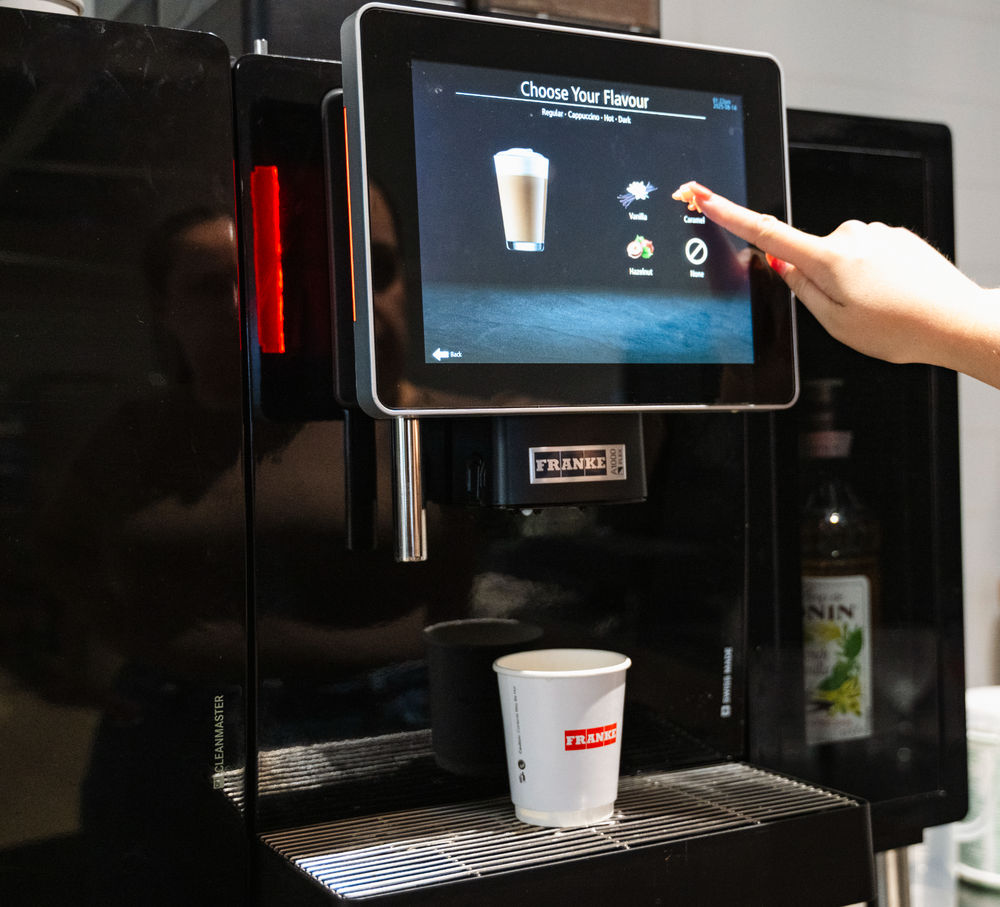
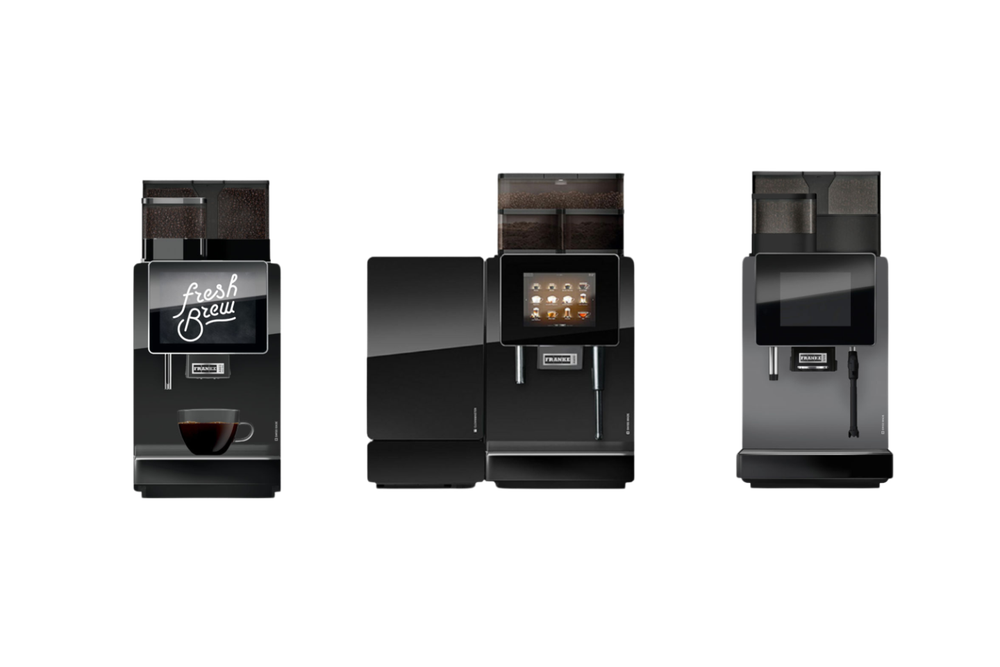
The second path is the super-automatic coffee system, which makes barista-style cold drinks to order. A bean-to-cup machine such as a Franke A Series grinds fresh beans, pulls espresso, and produces iced lattes, cold-foam drinks, and iced cappuccinos at the touch of a button, with no barista required. These systems handle hot and cold drinks on one platform, which lets a single machine cover the full coffee menu.

Machine type | Drink it makes | Best for | Key consideration |
|---|---|---|---|
Frozen beverage dispenser | Thick, blended frozen iced capp and frozen coffee | Impulse, self-serve, high-volume c-stores | Runs from a coffee mix; hopper capacity drives throughput |
Super-automatic coffee system | Iced lattes, cold foam, iced cappuccino to order | Stores wanting a full hot and cold coffee menu | Fresh beans and milk; one machine covers hot and cold |
Combined programme | Frozen plus barista-style cold drinks | Destination c-stores and busy corridors | Two units, widest menu, highest beverage revenue |
For operators building a wider beverage offer, our coffee shop equipment checklist lays out the full list of supporting equipment, from grinders to under-counter refrigeration.
How to Choose the Right Machine for Your Store
The right iced cappuccino machine matches your traffic, your footprint, and your staffing. Start with throughput. A single-hopper frozen dispenser suits a steady neighbourhood store, while a twin-hopper or twin-bowl unit lets a high-traffic location run two flavours or hold backup product during a rush. Map the machine's output to your peak hour, not your daily average, because frozen coffee sales spike in tight windows.
Footprint comes next. Convenience store counters are crowded, so measure the space before you choose between a countertop and a floor-standing model. Self-serve placement can lift sales by moving the machine off the staffed counter, but it requires a unit built for unattended customer use.
Serviceability is the factor operators underrate most. A frozen beverage machine that goes down on a Saturday is lost revenue every hour it sits idle. TFI's technicians provide 24/7 equipment repair using genuine OEM parts, and the brands TFI supplies are chosen for serviceability: Icetro units, for example, are built to be technician-friendly. Buying equipment and service from a single partner keeps an independent operator from juggling a separate dealer and a third-party repair company.
The machine that protects your margin is the one that stays running. Pair the unit with a service plan so a breakdown never costs you a full weekend of frozen coffee sales.
Financing shapes the decision as much as the spec sheet. TFI offers equipment rentals and lease-to-own options that let a store launch a frozen coffee programme with low upfront cost and predictable monthly payments, which keeps cash free for inventory.
The Profit Math: Margins and Payback
Frozen coffee earns its place at the counter because the margins are strong and the payback is fast. The drink sells at a premium price point against a low cost of goods, which is why dispensed beverages contribute an outsized share of c-store profit. Foodservice already delivers 38.9% of in-store gross profit across the convenience channel, far above its share of sales.
The equipment economics follow the same pattern. A frozen beverage programme built around Taylor equipment typically delivers 70-80% gross profit with payback in 6 to 18 months, which makes it one of the highest-margin additions available to a convenience store. For stores choosing the barista-style route, Franke super-automatic coffee systems run 80%+ gross profit with average payback of 6 to 12 months.
A frozen coffee programme that lands at 70-80% gross profit and pays for the machine within a year and a half turns counter space into one of the most efficient revenue sources in the store.
To model the return for your store, multiply your expected daily frozen coffee cups by the gross margin per cup, then weigh that against the monthly cost of a lease. A store selling even a modest volume of frozen coffee usually covers the equipment well inside the payback window. TFI's team builds this ROI model with operators at no cost, and the coffee business guide for Canada walks through the broader economics of a coffee programme.

Ontario and Atlantic Canada: Frozen Coffee for Local Stores
TFI supports convenience store operators across Ontario and Atlantic Canada with local sales, installation, training, and service. Ontario stores in the Greater Toronto Area, from Mississauga to Toronto and across the 401 corridor, sit in dense, high-traffic markets where frozen coffee competes head-to-head with drive-thru chains, and a well-placed iced cappuccino machine captures the impulse trade those chains miss. TFI's Mississauga showroom lets operators see and demo frozen beverage and coffee equipment before they commit.
Atlantic Canada operators in Halifax, Dartmouth, Moncton, Charlottetown, and St. John's get the same support from TFI's Dartmouth, Nova Scotia location, with regional technicians who keep frozen coffee machines running through the busy season. Local service coverage is the difference between a machine that earns all year and one that sits broken between visits from a distant repair company.
Trend to Action to Equipment Cheat Sheet
Consumer Trend | What to Do Next | Equipment or Programme Action |
|---|---|---|
Cold coffee now holds year-round, not just summer | Add a permanent frozen coffee line to the counter | Slush and frozen beverage machines (Taylor, Icetro) for blended iced capp |
18-to-24s drive cold coffee demand | Offer a barista-style iced menu to win repeat visits | Franke A Series super-automatic for iced lattes and cold foam |
Foodservice drives c-store profit | Maximise margin per square foot at the counter | Franke programme at 80%+ gross profit, 6 to 12 month payback |
Frozen drinks market growing ~6.6% a year | Launch with low upfront cost | Rentals and lease-to-own financing |
Downtime kills frozen beverage revenue | Lock in uptime with one service partner | 24/7 OEM repair and planned maintenance |
Frequently Asked Questions
What is an iced cappuccino machine?
An iced cappuccino machine is a commercial unit that produces a frozen, blended coffee drink, the format Canadians know as the iced capp. Most convenience stores use a frozen beverage dispenser that freezes and aerates a chilled coffee base into a thick, scoopable texture and dispenses it on demand. Some operators instead use a super-automatic coffee system that makes barista-style iced cappuccinos and iced lattes to order. Frozen coffee fits convenience retail well because dispensed beverages drive 28.5% of in-store sales across the channel.
Can you make an iced cappuccino commercially without a barista?
Yes. A frozen beverage dispenser runs from a pre-made coffee mix and pours a consistent iced capp at the press of a lever, so any staff member can serve it during a rush. A super-automatic machine such as a Franke A Series grinds beans and builds iced espresso drinks automatically, again with no barista required. Both formats are designed for the fast, self-serve or single-staff environment of a convenience store.
Are commercial iced coffee machines worth it?
For most convenience stores, yes. Frozen and iced coffee carry strong margins, with frozen beverage programmes typically delivering 70-80% gross profit and payback in 6 to 18 months. Because cold coffee demand now reaches 22% of Canadians year-round, the machine earns revenue in every season rather than sitting idle in winter.
How much does a commercial iced cappuccino machine cost?
Pricing depends on the machine type, hopper or output capacity, and whether you buy, rent, or lease. Frozen beverage dispensers and super-automatic coffee systems sit at different price points, and financing spreads the cost into predictable monthly payments. TFI provides custom quotes and free ROI modelling, so contact the team for pricing matched to your store's volume and footprint.
Should I choose a frozen dispenser or a super-automatic coffee machine?
It depends on the drink you want to sell. Choose a frozen beverage dispenser for the thick, blended iced capp that drives impulse sales, or a super-automatic coffee system for barista-style iced lattes, cold foam, and iced cappuccinos made to order. High-traffic destination stores often run both to cover the widest menu and capture the most beverage revenue.
Get an iced cappuccino machine today!
TFI Food Equipment Solutions supports Ontario, Nova Scotia, New Brunswick, Prince Edward Island, and Newfoundland and Labrador with sales, installation, training, rentals, leasing, and 24/7 OEM-quality service. Whether you want a frozen beverage dispenser for classic iced capps or a Franke super-automatic system for barista-style iced coffee, our team helps you match the right iced cappuccino machine to your counter, your traffic, and your margins. We are Canada's leading distributor of Taylor, Franke, and Icetro frozen beverage and coffee equipment.
Ask for an equipment demo in Mississauga or Dartmouth, or request a free quote today!

Nicole Camposeo-Cheung is the Director of Marketing, People & Culture at TFI Food Equipment Solutions, Canada’s leading provider of premium commercial foodservice equipment. She combines her expertise in business management and fashion arts to foster a dynamic, innovative, and people-centric corporate culture. Passionate about empowering teams, building strong client relationships, and driving growth through creativity and collaboration, Nicole plays a key role in shaping TFI’s brand and workplace culture. She also shares her industry expertise and insights through the TFI blog, helping foodservice professionals stay informed about the latest trends, best practices, and innovations in commercial food equipment.
Add a comment
This will be publicly visible.
Your email address will not be published.
Your comment will be reviewed by an admin before it is published.


