Is Leasing or Buying Better for Canadian Restaurant Equipment? (2026 Guide)
Should you lease or buy restaurant equipment in Canada? We compare tax benefits (CCA vs. OpEx), cash flow impacts, and the smart "Hybrid Strategy" for restaurants.

One of the first questions every Canadian restaurateur asks, whether opening a new QSR in Toronto or upgrading a hotel kitchen in Vancouver is simple: “Should I use my capital to buy this equipment, or should I lease it?”
The answer is rarely black and white. While buying builds equity, leasing preserves the lifeblood of your business: Cash Flow.
Most general advice online misses the specific financial realities of the Canadian market, such as Capital Cost Allowance (CCA) tax classes and the GST/HST implications of monthly payments.
At TFI Food Equipment Solutions, we have helped thousands of Canadian operators navigate this choice for over 60 years. This guide breaks down the math, the tax benefits, and the "Hybrid Strategy" used by the most profitable chains in the country.
The Short Answer: When to Lease vs. When to Buy
For most Canadian restaurants, the smartest financial move is a Hybrid Approach:
BUY the "Passive Iron": Use cash for durable, non-revenue items like stainless steel tables, sinks, and standard ranges. These assets last 20 years but generate no direct profit to offset a lease payment.
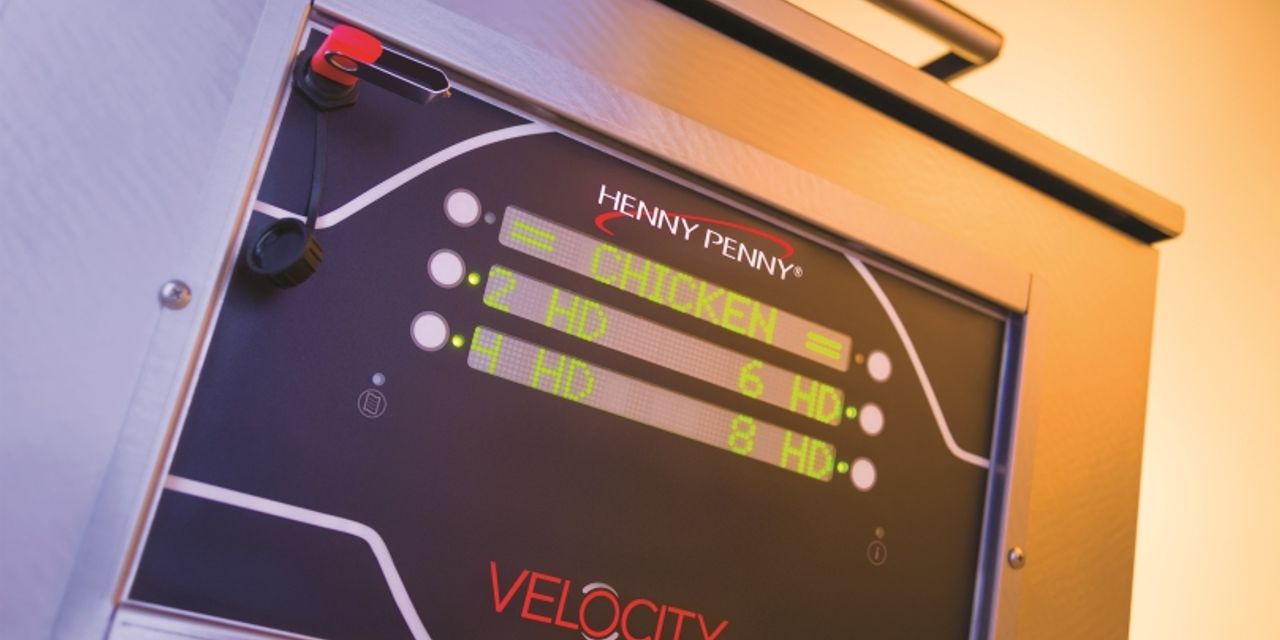
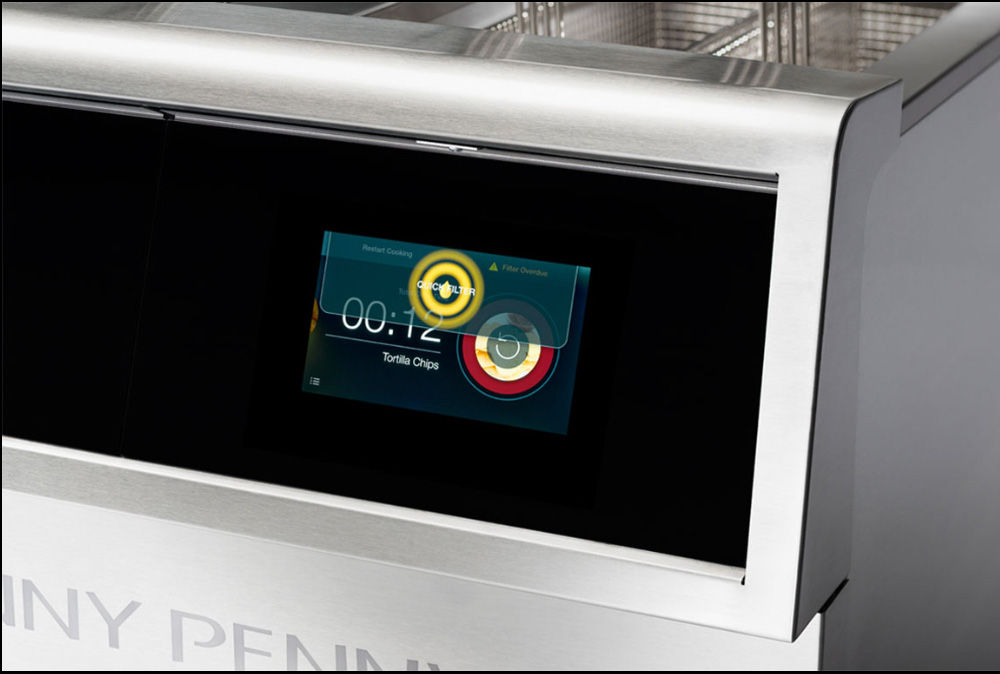
LEASE the "Revenue Iron": Use Restaurant Equipment Leasing for high-profit engines like Taylor soft serve machines or Henny Penny fryers. Even though they are durable, their massive daily revenue can pay for the lease payment in a single afternoon, leaving your capital in the bank.
1. Buying Restaurant Equipment: The "Equity" Strategy
Buying equipment outright (using cash or a bank loan) is the traditional path. It appeals to established operators who have strong cash reserves and want to minimize monthly overhead on "static" assets.
The Pros of Buying
Total Ownership & Equity: The moment you pay, you own the asset. It sits on your balance sheet, improving your business's valuation.
Lower Total Cost: You avoid interest rates and administrative fees. Over 5 years, buying is almost always cheaper in total dollars spent than leasing.
No Contracts: You have complete freedom to sell, modify, or move the equipment without asking a leasing company for permission.
The Cons of Buying
Depletion of Capital: Spending $25,000 on a fryer is $25,000 you can no longer spend on marketing, staff, or emergency repairs.
Opportunity Cost: That cash is now "trapped" in a machine, earning 0% interest, instead of being used to grow your business.
Maintenance Responsibility: Once the warranty expires, 100% of the repair costs fall on you.
Canadian Tax Implication: CCA Classes
When you buy equipment in Canada, it is a Capital Expense (CapEx). You cannot deduct the full $10,000 cost from your taxes in Year 1. Instead, you must depreciate it over many years using the CRA’s Capital Cost Allowance (CCA).
Class 8 (20%): Most miscellaneous kitchen equipment.
Class 43 (30%): Manufacturing and processing machinery (often applicable to heavy production kitchens).
Consult your accountant, but know that buying offers a slow, long-term tax write-off, not an immediate one.
2. Leasing Restaurant Equipment: The "Cash Flow" Strategy
Leasing is the dominant choice for startups and high-growth franchises. It essentially means renting the equipment for a term (usually 3–5 years) with the option to own it at the end.
(Learn more about our Restaurant Equipment Leasing & Financing in Canada options).
The Pros of Leasing
Preserve Working Capital: Instead of spending $30,000 upfront, you might pay $800/month. This leaves your cash in the bank for inventory and payroll.
100% Tax Deductible (OpEx): In Canada, lease payments are often considered an Operating Expense. You can typically deduct the entire monthly payment from your taxable income each year, which can be a faster tax benefit than depreciation.
The "Inflation Hedge": You lock in the equipment price in today's dollars but pay it off over 5 years with future dollars that are worth less due to inflation.
Easier Approval: Leasing companies like our partners at Econolease look at the equipment’s value, not just your personal credit history, making it easier for startups to get approved.
The Cons of Leasing
Higher Total Cost: Due to interest and fees, you will pay more for the item over 5 years than if you bought it with cash.
Obligation: You are locked into a contract. If your restaurant closes in Year 2, you are still responsible for the payments in Year 3.

3. The Hybrid Approach: "Passive Iron" vs. "Revenue Iron"
The old advice was "Lease items that break; Buy items that last."
The modern advice is different. TFI equipment (like Taylor and Henny Penny) can last for 15+ years, yet smart chains still lease it. Why? Because of Profit Arbitrage.
Category A: Buy the "Passive Iron"
Items: Stainless steel prep tables, sinks, walk-in shells, standard gas ranges, shelving.
Why: These items are durable, but they are "dead assets." A sink does not generate revenue to pay for its own lease. Paying interest on a sink just reduces your margins.
Strategy: Use your cash to buy these.
Category B: Lease the "Revenue Iron"
Items: Taylor (Soft Serve), Henny Penny (Fryers), Franke (Coffee).
Why: These machines are "Profit Engines."
The Math (Hypothetical): A Taylor soft serve machine might cost $800/month to lease. However, it can generate $3,000/month in pure profit (at 80% margins).
The Strategy: The machine pays for its own lease payment in the first 3 days of the month. The remaining 27 days are pure profit. Why tie up $25,000 of your own cash when the machine can pay for itself?

Financial Showdown: Leasing vs. Buying a $15,000 Oven
Here is a simplified look at how the math plays out for a typical Canadian operator over a 5-year period.
Feature | Buying (Cash) | Leasing (5-Year Term) |
|---|---|---|
Upfront Cash Required | $15,000 | ~$600 (First/Last Month) |
Monthly Payment | $0 | ~$350 - $400 |
Total Cost (5 Years) | $15,000 | ~$21,000 - $24,000 |
Tax Benefit | Depreciate ~20% per year (CCA) | Deduct 100% of payments annually |
Cash Left for Business | $0 | $14,400 (Retained Capital) |
Risk | Owner pays for all repairs after warranty | Lease allows for easier cash flow management |
The Verdict: Buying saves you ~$6,000 in total cost, but Leasing keeps $14,400 in your bank account on Day 1. For a new restaurant, that $14,400 liquidity is often worth the extra long-term cost.
Frequently Asked Questions (FAQ)
Is it better to lease or buy equipment for a startup?
For most restaurants in Canada, leasing is the safer choice. Cash flow is the #1 cause of restaurant failure in the first year. Leasing allows you to open with premium, reliable equipment (like Henny Penny fryers) without draining your emergency fund. Read more in our guide on How to Finance Commercial Kitchen Equipment in Canada.
What are the disadvantages of leasing equipment?
The main disadvantage is the total cost of ownership. Over a 3-5 year term, you will pay interest and administrative fees that make the equipment more expensive than if you had purchased it outright. Additionally, you do not build equity in the asset until the lease is bought out.
Is leasing better than financing in Canada?
Leasing and Financing are similar, but leasing often offers better tax advantages (OpEx vs. CapEx) and faster approvals. Bank financing usually offers lower interest rates but requires more paperwork and collateral. For specialized equipment, a dedicated leasing partner is often faster. Check out our Restaurant Equipment Financing Options in Toronto for local advice.
Does TFI offer "Lease-to-Own" programs?
Yes. Most of our financing partners offer a "Lease-to-Own" structure. You pay a monthly fee for the term (e.g., 36 months), and at the end, you can purchase the equipment for a nominal fee. This gives you the tax benefits of leasing with the ownership benefits of buying.
Final Thoughts: Let the Machine Pay the Bill
If the equipment is essential to your revenue, like a Taylor Soft Serve Machine that generates 80% profit margins, the cost of the lease is negligible compared to the daily profit the machine generates.
Don't let a price tag stop you from installing a machine that makes $100,000 a year. Lease it, put it to work, and let the profits pay the monthly bill.
Need help crunching the numbers?
TFI works with Canada’s top lenders like Econolease to build custom equipment packages for restaurants of all sizes. Contact TFI to discuss leasing options.

Disclaimer: The information provided in this guide is for educational and informational purposes only and does not constitute financial, legal, or tax advice.

Nicole Camposeo-Cheung is the Director of Marketing, People & Culture at TFI Food Equipment Solutions, Canada’s leading provider of premium commercial foodservice equipment. She combines her expertise in business management and fashion arts to foster a dynamic, innovative, and people-centric corporate culture. Passionate about empowering teams, building strong client relationships, and driving growth through creativity and collaboration, Nicole plays a key role in shaping TFI’s brand and workplace culture. She also shares her industry expertise and insights through the TFI blog, helping foodservice professionals stay informed about the latest trends, best practices, and innovations in commercial food equipment.
Add a comment
This will be publicly visible.
Your email address will not be published.
Your comment will be reviewed by an admin before it is published.


