
Henny Penny Pressure Fryer vs. Open Fryer: Which Is Right for Your Canadian Restaurant?
Pressure fryer or open fryer? Compare Henny Penny models, cook times, oil savings, and total cost of ownership for Canadian restaurants. Find the right fryer for your menu.

Every Canadian restaurant operator who fries food eventually faces the same question: pressure fryer or open fryer? It sounds like a technical purchasing decision, but it is really a menu strategy decision. The wrong answer does not just mean you overspent on equipment. It means you are producing a product that is not as good as it could be, burning more oil than you need to, and building your throughput model on the wrong foundation.
The good news is that the decision is clearer than most people think once you understand how each system works and what it is actually optimized for. TFI's Henny Penny pressure fryers and Evolution Elite open fryers product pages cover the specific models compared below.
This guide breaks down the mechanics, the cost structure, the best use cases, and the Henny Penny model options available to Canadian operators through TFI Canada — so you can make the right call for your specific concept.
How Pressure Frying Works
A pressure fryer operates inside a sealed cooking well. When you load product and lower the lid, the chamber closes and traps the steam released naturally from the food as it heats. That steam buildup raises the internal pressure of the cooking environment — typically to 12 to 14 pounds per square inch above atmospheric pressure.
Here is why that matters: under normal atmospheric conditions, the water inside food boils at 212°F. Once it hits that threshold, it escapes as steam, taking moisture, flavour, and natural juices with it. In a pressure environment, the boiling point of that internal moisture rises to approximately 240°F. The food cooks completely before internal moisture can escape in the same volume.
The result is a piece of bone-in chicken that is fully cooked to temperature, with a crispy exterior, but with the internal moisture essentially sealed in rather than driven out during cooking. The oil absorbs less of that escaping moisture too, which is one of the reasons pressure frying extends oil life relative to open frying.

Cook times under pressure are significantly shorter than open frying for the same product. Bone-in chicken pieces that take 16 to 20 minutes in an open fryer cook in 12 to 14 minutes in a pressure fryer. For a high-volume operation running back-to-back loads through a busy lunch or dinner service, that time difference compounds into meaningfully higher throughput.
How Open Frying Works
An open fryer heats oil in an exposed vat to a set temperature — typically between 325°F and 375°F — and cooks food by direct immersion without a sealed chamber. There is no pressure buildup. Moisture escapes freely from the product as it cooks, and that escaping moisture is precisely what creates the aggressive surface dehydration that produces the crispy, shatter-thin crust that defines great french fries, onion rings, fried pickles, and similar products.
Open frying is not a compromised version of pressure frying. It is a different process that is optimized for a different outcome. Items that benefit from maximum surface dehydration — cut fries, battered vegetables, seafood, and most fried snack items — come out better from an open fryer than they ever would from a pressure environment.

Open fryers also offer flexibility that pressure fryers cannot match. Modern commercial open fryers are available in single or multiple vat configurations, with full vats for high-volume single products and split vats that allow two different items to cook at two different temperatures simultaneously from a single unit. That configurability makes open fryers the backbone of any high-SKU frying operation.
Head-to-Head: Pressure Fryer vs. Open Fryer
Characteristic | Pressure Fryer | Open Fryer |
|---|---|---|
Best product category | Bone-in chicken, tenders, proteins | Fries, rings, battered items, seafood |
Cook time for bone-in chicken | 12 to 14 minutes | 16 to 20 minutes |
Product moisture retention | High (moisture sealed in) | Low to moderate (moisture escapes) |
Crust texture | Crispy outside, juicy inside | Aggressively crispy, uniform crunch |
Oil absorption into food | Lower | Higher |
Oil life | Longer (lower thermal stress) | Shorter (higher thermal stress) |
Oil capacity | Lower (some models 25 to 30 lbs) | Higher (typically 50 to 65 lbs) |
Upfront equipment cost | Higher | Lower to moderate |
Menu flexibility | Limited to sealed-lid items | Broad: fries, proteins, snacks, desserts |
Vat configuration options | Single well (most models) | Single, double, split vat options |
Cleaning complexity | More involved | Simpler |
ENERGY STAR eligibility | Not typically rated | Available on select models |
Labour per batch | Lower (sealed batch processing) | Variable (basket management per load) |
When a Pressure Fryer Is the Right Choice
The decision to invest in a pressure fryer usually comes down to one variable: how much of your fried volume is bone-in chicken or other thick proteins.
The general industry benchmark used by equipment consultants and operators alike is the 25 percent threshold. If bone-in chicken and thick-cut proteins represent 25 percent or more of your total fried sales volume, a pressure fryer will pay back faster than an open fryer and produce a better product consistently. Below that threshold, the economics shift toward open frying.
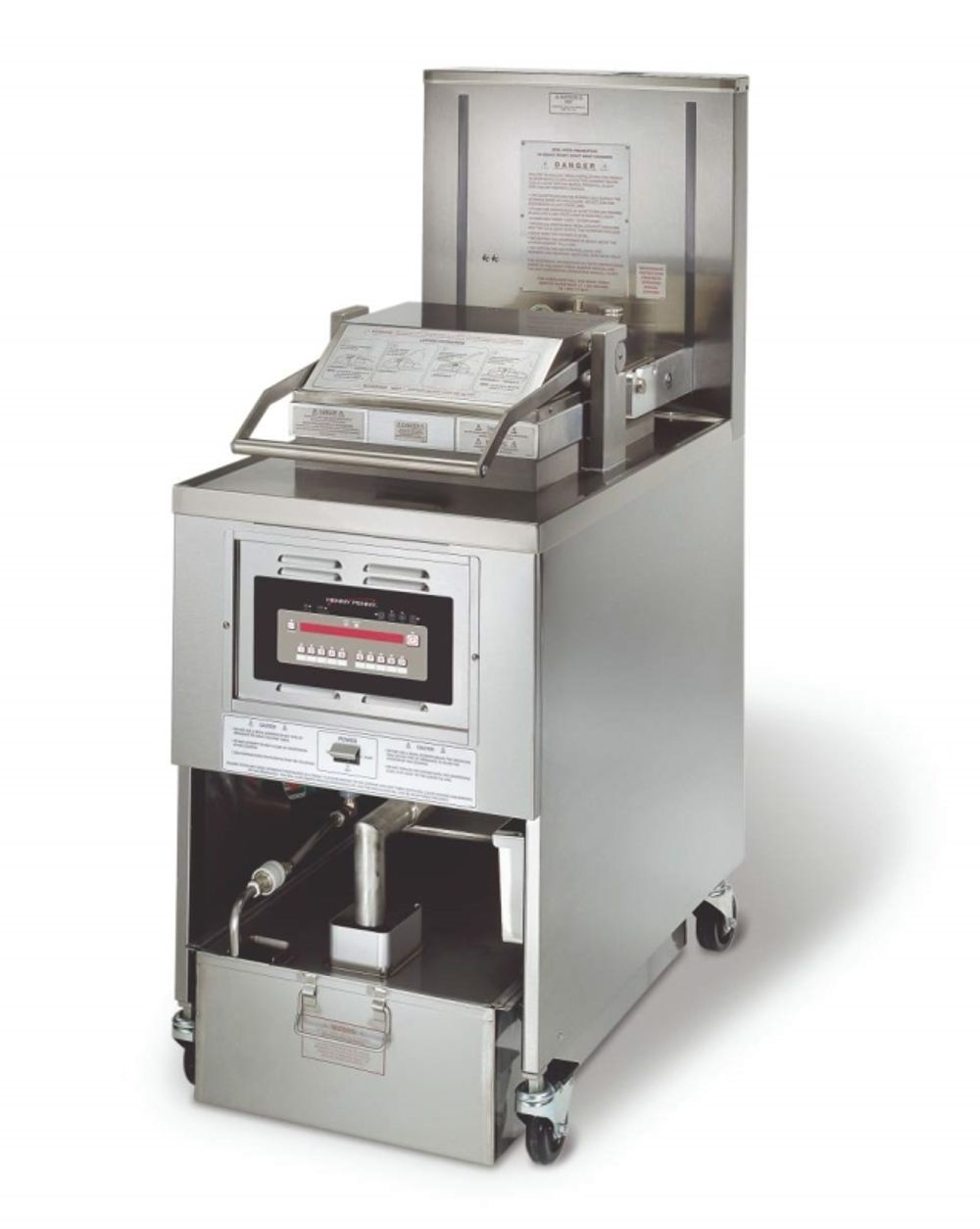
Pressure fryers make the strongest case for the following operations:
Fried chicken focused QSRs. If your brand is built around fried chicken — whether bone-in, tenders, sandwiches, or a combination — a pressure fryer is not just the better choice. It is the correct equipment for the product you are promising. The juiciness and moisture retention pressure frying delivers is not a marginal improvement. It is a categorical difference in product quality that customers notice and return for.
Grocery and convenience store deli programs. Rotisserie and fresh fried chicken programs in Canadian grocery stores and forecourt retail operations have grown substantially. Pressure fryers allow a deli operation to batch cook large quantities of consistent, high-quality chicken efficiently with a smaller team.
Ghost kitchen and delivery-focused concepts. Fried chicken holds significantly better under delivery conditions when pressure fried. The moisture retention that makes the product juicy in-store also slows the rate of crust softening during a 20 to 30 minute delivery window — which matters enormously for customer satisfaction on third-party delivery platforms.
Operations with tight labour resources. Because pressure frying produces a sealed batch with a single timer, it is easier to train new staff on than open frying, where basket management and oil temperature recovery require more experience-based judgment.
When an Open Fryer Is the Right Choice
Open fryers are the right foundation for any operation where french fries are the primary fried product, where menu variety requires different frying conditions simultaneously, or where staffing requires equipment that is simple to operate and clean quickly.
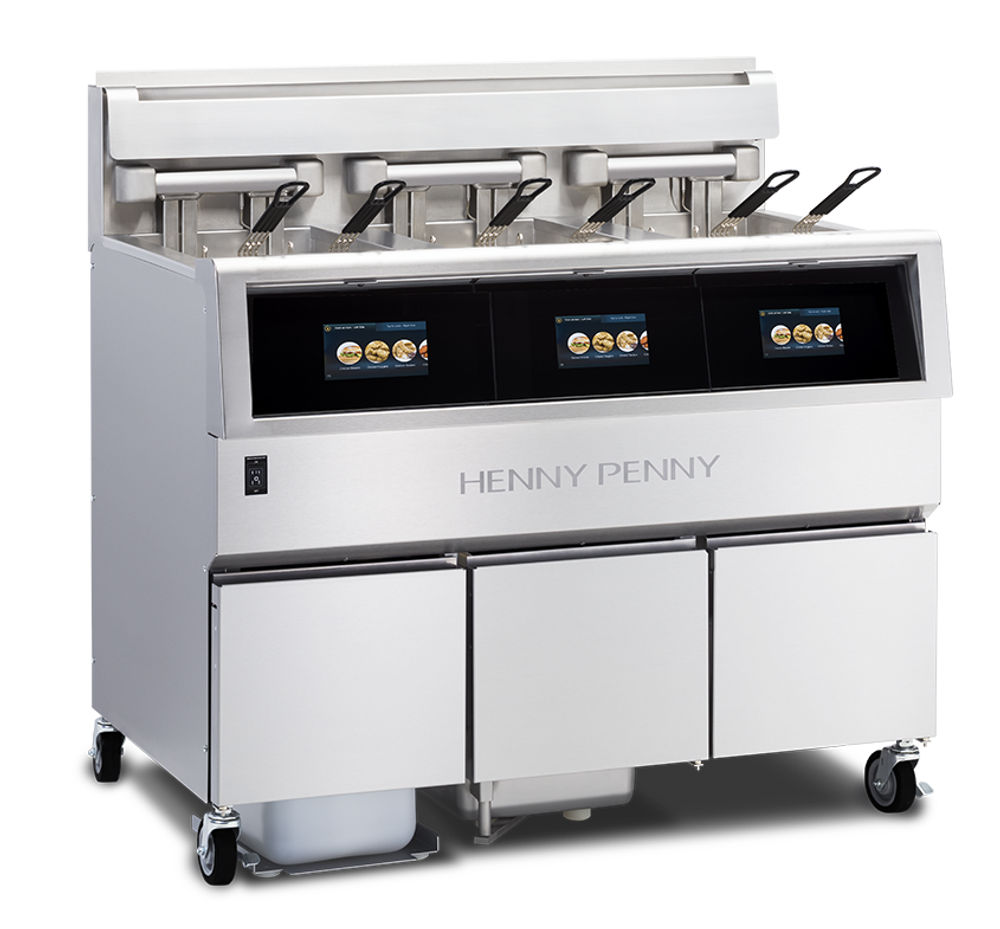
Open fryers are the stronger choice for the following operations:
Fry-centric QSRs and casual dining. If fries and battered sides drive the majority of your fried volume, open frying is the correct system. Fries need aggressive surface dehydration to develop the crispy exterior and fluffy interior that makes them compelling. Pressure frying would retain too much moisture and produce a softer, less appealing texture in a product that was never designed to benefit from it.
Full-service restaurants with diverse fried menus. A restaurant running calamari, fried chicken, onion rings, fish and chips, and fried desserts in the same service period needs the flexibility that only open frying provides. Split vats, independent temperature controls, and easy between-use cleaning make open fryers the backbone of high-variety menus.
Operators with constrained kitchen space. Open fryers are available in compact configurations that integrate into tight commercial kitchen layouts more easily than pressure fryers. Twin-vat configurations in particular offer strong volume capacity with a relatively small footprint.
Concepts introducing frying for the first time. Open fryers are simpler to train on, less expensive to purchase initially, and cover a broader range of menu applications. If your operation is adding frying capability for the first time, starting with an open fryer reduces risk and keeps your team's learning curve manageable. See our guide on finding commercial restaurant equipment suppliers in Ontario for more context on sourcing.
The Case for Running Both
Many of the highest-performing fried-food operations in Canada run a blended lineup: at least one pressure fryer for chicken programs alongside an open fryer battery for fries and sides. This approach is not about maximizing equipment spend. It is about giving each product the right cooking environment and not compromising on either.
The math behind a blended lineup is straightforward. A pressure fryer producing superior chicken drives the higher-margin protein sales, while an open fryer handles the high-volume, fast-turnover fry program that keeps ticket times low during peak service. Neither system is asking the other to do something it was not designed for.
High-volume QSRs that specialize in chicken and fries almost universally use this configuration. It is the reason the product quality at top-performing locations is consistently better than competitors running a single fryer type for everything. For a deeper dive into how product mix affects your fryer decisions, see our guide on choosing the right fryer for chicken wings.
Henny Penny Models Available in Canada Through TFI
Henny Penny is the dominant manufacturer of commercial pressure fryers globally, and TFI Canada is an authorized Henny Penny distributor and service provider for Ontario and the Atlantic provinces. The Henny Penny catalogue covers both pressure and open fryer platforms, with models ranging from entry-level single-vat units to high-capacity full automation systems.
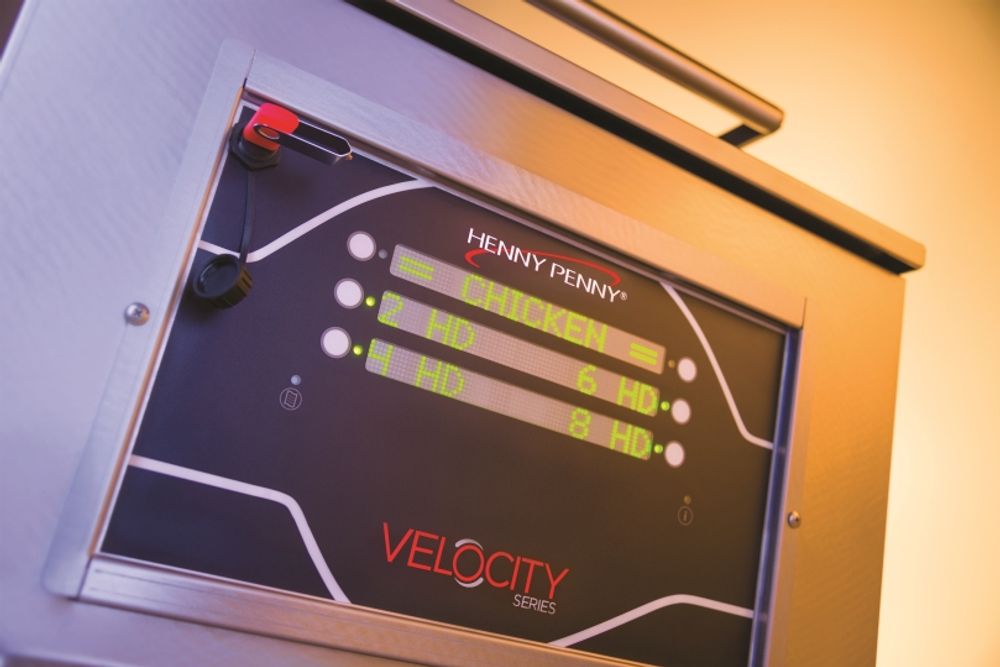
Henny Penny Pressure Fryers
PXE-100 (Electric, Single Well). The benchmark single-well pressure fryer for QSR and grocery deli applications. It features Henny Penny's Smart Touch controller with programmable cook menus, auto-lift basket, and the oil filtration integration that makes multi-day oil management practical without additional labour. The PXE-100 is the machine that KFC, Popeyes, and major Canadian grocery chains have standardized on in high-volume chicken programs.
PXE-500 (Electric, Single Well). A higher-capacity version with enhanced throughput and a larger cooking surface, suited for programs running continuous service across extended day parts. The 500 series includes more advanced automation and monitoring integration for multi-unit operators.
PG-600 (Gas, Single Well). Gas-powered version for operators with natural gas infrastructure, which is common in many Canadian commercial kitchen builds. Gas offers lower per-BTU operating cost in most Canadian markets, and the PG-600 delivers the same programmable cook menus and oil management capabilities as the electric series.
Henny Penny Open Fryers
OFE-320 / OFG-320 (Electric and Gas, Single Vat). Entry-level commercial open fryers suited for lower-volume operations or secondary fry stations. Available in both electric and gas configurations.
OFE-321 / OFG-321 (Split Vat). The split vat configuration allows two different products to cook at two different temperatures simultaneously in a single footprint. This is the go-to configuration for operations running fries and a secondary fried item concurrently without dedicating a second full fryer to the function.
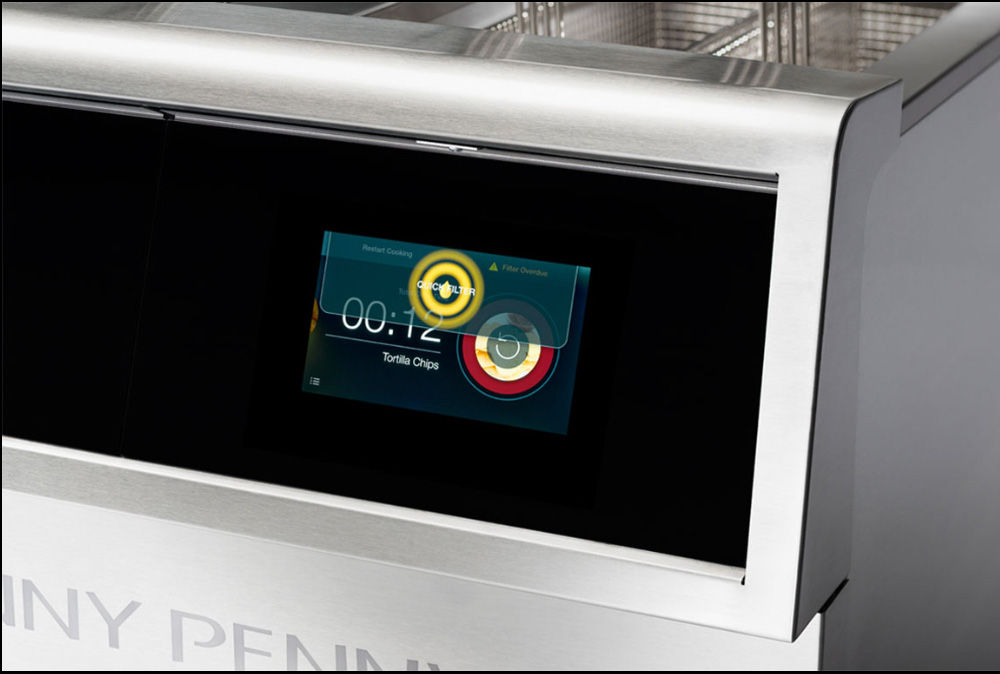
Evolution Elite Series. Henny Penny's flagship open fryer platform with Smart Touch controls, built-in oil filtration, and Oil Guardian automatic oil top-off. The Evolution Elite series can extend oil life dramatically through intelligent filtration management, and its low-oil-volume design holds approximately 30 pounds of oil versus the 50 to 65 pounds of traditional open fryers — reducing the capital tied up in oil inventory and the environmental footprint of oil disposal. For a detailed look at the oil cost savings the Evolution Elite delivers, read our guide on how to cut fryer oil costs for Canadian operators.
Cost of Ownership: Running the Real Numbers
Equipment decisions based on purchase price alone tend to be wrong. The right comparison is the cost of ownership over a three to five year operating period, which includes oil consumption, energy, maintenance, and labour.
Here is a simplified TCO comparison for a mid-volume Canadian QSR running a chicken and fries program:
Oil cost. At a typical Canadian canola oil price of $1.80 to $2.20 per kilogram, a traditional open fryer holding 65 pounds of oil and requiring changes every 5 to 7 days costs roughly $800 to $1,200 per month in oil alone. A pressure fryer with Smart Touch Filtration and Oil Guardian, managing a 30-pound oil capacity with changes every 10 to 14 days, runs approximately $400 to $600 per month in oil for the same chicken volume. Annual oil savings can exceed $4,000 to $7,000 from a single machine.
Energy cost. Pressure fryers cook faster and at lower oil temperatures than open fryers for the same protein products. Across a year of daily operation, this translates to meaningful energy cost savings, though the exact figure depends on your local utility rates, daily volume, and cook cycle frequency. Canadian operators in provinces with higher commercial electricity rates — such as Ontario — see the most pronounced energy savings from pressure frying.
Maintenance cost. Both pressure and open fryers require regular maintenance, but pressure fryers have additional components — specifically the gaskets, lid assembly, and pressure regulation system — that require periodic inspection and replacement. Budget for a comprehensive annual service check on any commercial fryer. TFI Canada's TFI Total Care program covers preventive maintenance scheduling and priority service for Henny Penny equipment across Ontario and the Atlantic provinces.

What Canadian Operators Need to Know Before Buying
Service coverage matters. Unlike purchasing from an online distributor, buying commercial frying equipment through TFI Canada means you have a local technical team covering Ontario and the Atlantic provinces. Response time when a fryer goes down during peak service is the variable that separates a managed problem from a lost weekend of revenue. Ask any supplier about their average service response time before committing to a purchase. You can also submit a service request directly through TFI Canada.
Gas vs. electric. Most Canadian commercial kitchens are built with natural gas infrastructure. Gas fryers have higher BTU output and lower per-unit energy cost in most Canadian markets, but they require proper venting and gas line capacity that must be confirmed before installation. Electric fryers are simpler to install and work well in locations where gas line upgrades are not feasible.
Oil filtration is not optional at volume. Any operation running more than two full loads per day without automated filtration is spending more on oil than it needs to and degrading product quality faster than the equipment warrants. Henny Penny's built-in Smart Touch Filtration on mid and upper-tier models automates the filtration cycle between loads without pulling an employee off the floor to manage it manually. At the oil prices Canadian operators are currently paying, the filtration ROI is measurable within weeks. For a full breakdown of how to reduce oil spend, see our guide on cutting fryer oil costs for Canadian restaurants.
NSF cleaning requirements. Both pressure and open fryers require regular deep cleaning per NSF standards and Canadian public health guidelines. Pressure fryers have more components to disassemble for cleaning, particularly the lid assembly and gasket system. Factor the additional cleaning time into your daily labour model before purchasing, and ensure your team receives proper training on the full cleaning procedure from the equipment supplier.
Consult on volume before you spec. The most common purchasing mistake in commercial frying equipment is undersizing for peak demand. A fryer that is running at capacity continuously during service peaks degrades faster, recovers oil temperature more slowly, and produces inconsistent product. Before finalizing a specification, provide your supplier with your peak-hour sales data so they can match machine throughput to your actual demand, not your average. Contact TFI Canada to run a volume consultation before committing to a configuration.

Frequently Asked Questions
What is the difference between a pressure fryer and an open fryer?
A pressure fryer seals the cooking chamber during the fry cycle, trapping steam from the food and raising internal pressure to approximately 12 to 14 psi. This raises the effective boiling point of internal moisture in the food, reducing moisture loss and producing juicier, more tender results in proteins. An open fryer cooks at atmospheric pressure with no lid, allowing moisture to escape freely — which creates a crispier surface and is the correct method for french fries, battered items, and most non-protein fried products. Browse Henny Penny fryer options at TFI Canada to compare specific models.
Is a pressure fryer better than an open fryer?
Neither fryer type is universally better. Each is superior for a specific product category. Pressure fryers produce better results for bone-in chicken, tenders, and thick proteins. Open fryers produce better results for fries, battered sides, and seafood. The best setup for most chicken-and-fries operations is both: a pressure fryer for the protein program and an open fryer for the fry program.
How much faster is a pressure fryer than an open fryer?
Bone-in chicken that takes 16 to 20 minutes in a commercial open fryer cooks in 12 to 14 minutes in a Henny Penny pressure fryer — a time reduction of approximately 30 to 40 percent. For operations running back-to-back loads through a busy service period, that reduction compounds into meaningfully higher throughput and lower customer wait times.
Do pressure fryers save money on oil?
Yes, significantly. Henny Penny pressure fryers with Smart Touch Filtration and Oil Guardian can reduce oil consumption by up to 40 percent compared to a traditional open fryer running at the same volume. The combination of lower-temperature cooking (which reduces thermal breakdown of the oil), a sealed cooking environment (which prevents oxidation from air exposure during the cook cycle), and automated multi-daily filtration cycles extends oil life and reduces change frequency. At current Canadian canola oil prices, annual savings from a single pressure fryer versus a comparable open fryer in a chicken operation can exceed $5,000. For the full breakdown on oil cost management, see our fryer oil cost reduction guide.
Can I use a pressure fryer for french fries?
You can technically fry in a pressure fryer with the lid open, but it is not the right tool for fries and produces inferior results. Fries depend on the aggressive moisture escape that open frying provides to develop the crispy exterior and fluffy interior texture that makes them appealing. A pressure fryer for fries would produce a softer, less texturally correct product. Always use a commercial open fryer for fries and similar fried sides.
What Henny Penny fryers does TFI Canada carry?
TFI Canada carries the full Henny Penny pressure fryer line — including the PXE-100, PXE-500, and PG-600 — as well as the Henny Penny open fryer series including the OFE/OFG-320, OFE/OFG-321, and the Evolution Elite series. TFI Canada provides installation, training, and ongoing service for all Henny Penny equipment across Ontario and the Atlantic provinces, including Nova Scotia, New Brunswick, Prince Edward Island, and Newfoundland and Labrador.
How long does a commercial fryer last?
With proper maintenance and regular oil filtration, a commercial Henny Penny fryer can operate for 10 to 15 years. The most common reasons for premature equipment failure are skipping preventive maintenance, running oil past its usable life (which accelerates wear on internal components), and thermal shock from incorrect temperature management. If you are weighing whether to repair or replace existing equipment, see our guide on when to repair vs. replace commercial restaurant equipment in Canada. An annual service agreement with a certified technician protects the equipment and the warranty — TFI Canada's TFI Total Care program covers scheduled maintenance for Henny Penny equipment in its service territory.
Conclusion
The pressure fryer vs. open fryer decision is ultimately a menu-first question. Know what you are frying, know your chicken-to-fry sales ratio, and let that data point you toward the right equipment. If bone-in chicken is 25 percent or more of your fried volume, a Henny Penny pressure fryer will produce a better product and deliver a stronger total cost of ownership over a three to five year period. If fries and sides dominate your program, an open fryer is the right starting point. If you are running a full chicken and fries program, the blended lineup is the answer the best operators in Canada have already landed on.
TFI Canada provides consultations, oil cost modelling, and equipment recommendations for both platforms across Ontario and the Atlantic provinces. Contact the TFI Canada team to run the numbers for your specific operation before committing to a configuration.

Nicole Camposeo-Cheung is the Director of Marketing, People & Culture at TFI Food Equipment Solutions, Canada’s leading provider of premium commercial foodservice equipment. She combines her expertise in business management and fashion arts to foster a dynamic, innovative, and people-centric corporate culture. Passionate about empowering teams, building strong client relationships, and driving growth through creativity and collaboration, Nicole plays a key role in shaping TFI’s brand and workplace culture. She also shares her industry expertise and insights through the TFI blog, helping foodservice professionals stay informed about the latest trends, best practices, and innovations in commercial food equipment.
Add a comment
This will be publicly visible.
Your email address will not be published.
Your comment will be reviewed by an admin before it is published.


