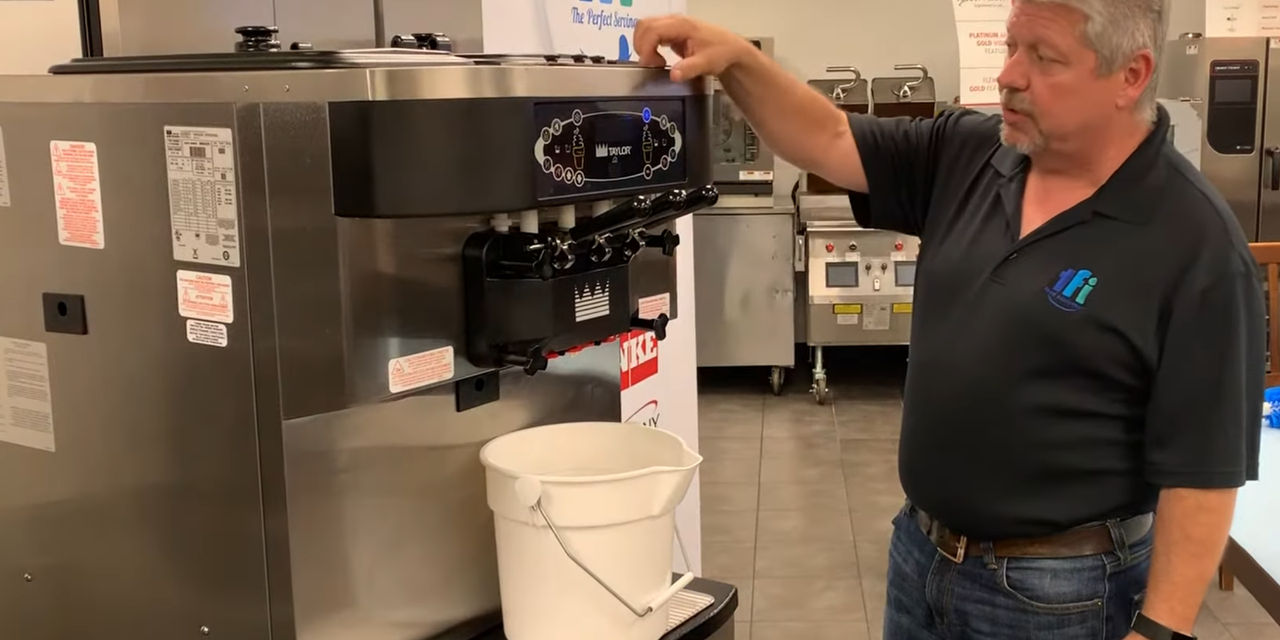
Soft Serve Machine Maintenance in Canada: Cleaning, Troubleshooting & Preventive Care
Need a practical guide to Taylor soft serve machine maintenance in Canada? This article covers daily cleaning, weekly deep cleaning, monthly preventive care, common soft serve machine troubleshooting issues, and when to call TFI for certified service support.

Commercial Soft Serve Machine Maintenance: A Canadian Operator's Complete Guide
If you run a soft serve machine in Canada, maintenance is not a back-room task. It is a revenue-protection system. The operators who stay ahead of cleaning, sanitising, seal wear, condenser buildup, and early fault codes usually avoid the most expensive problems: lost sales during peak periods, inconsistent product, failed health inspections, and emergency repair calls.
For Canadian operators, the standard should be simple: daily sanitation, weekly deep cleaning, monthly preventive checks, and a clear line between what staff can handle and what should go straight to a certified technician. That approach aligns with CFIA guidance, which says cleaning and sanitation programmes should define who cleans what, when, and how, including disassembly and reassembly instructions, with frequency based on contamination risk.
TFI Food Equipment Solutions already publishes model-specific and operator-focused maintenance guidance for Taylor machines, including the Taylor C712 soft serve machine cleaning & maintenance guide and broader soft serve machine maintenance tips. This guide pulls that advice into one practical playbook for operators in Ontario and Atlantic Canada.
The short answer: what commercial soft serve machine maintenance should include
Commercial soft serve machine maintenance in Canada should include:
Daily cleaning and sanitising of removable components
Daily flushing and exterior cleaning
Weekly or bi-weekly deep cleaning with disassembly
Regular inspection of O-rings, seals, scraper blades, and gaskets
Ongoing condenser cleaning and airflow checks
Logging fault codes, symptoms, and corrective actions
Planned maintenance by certified technicians for calibration, performance checks, and OEM-part replacement when needed
That is the difference between a machine that survives the summer rush and one that fails during it.
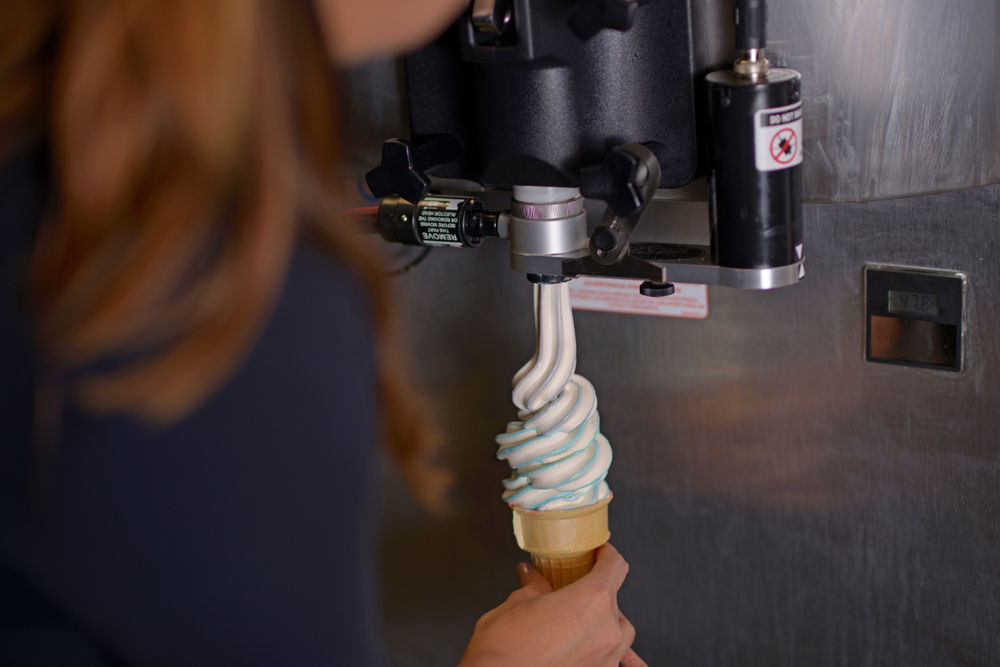
Why maintenance matters more than most operators think
A soft serve machine can look fine right up until it is not. Quality drifts before total failure. Draw gets softer. Freeze time stretches. Leaks start around the door. Temperature faults appear and get reset. Staff work around the issue until the machine finally drops out of service.
The core reasons regular maintenance matters: better product quality and food safety, longer equipment life, more reliable operation, easier compliance, and lower repair costs when small issues are caught early.
That matters in real operations because soft serve downtime rarely costs only the repair itself. It also creates:
Lost dessert and add-on revenue
Product waste from discarded mix
Staff time spent troubleshooting instead of serving
Guest complaints and refund risk
More expensive emergency service if the issue worsens
Daily commercial ice cream machine cleaning guide
Daily cleaning is the foundation. Daily cleaning should include sanitising removable parts, wiping external surfaces with a food-safe disinfectant, and flushing the machine to reduce internal buildup.
Daily checklist
Remove, clean, and sanitise spouts, nozzles, and other removable components
Wipe down exterior machine surfaces
Flush the machine with water or the appropriate cleaning solution
Check for visible leaks around the door or drive shaft
Confirm hopper product is being held cold and the machine is dispensing normally
Log any fault code, unusual sound, or change in product texture
This is the minimum standard for soft serve machine maintenance in Canada. Skip it, and you increase the chance of both sanitation risk and mechanical wear.

Weekly deep cleaning and inspection
Daily cleaning is not enough on its own. Soft serve machines should be thoroughly deep cleaned weekly or bi-weekly depending on usage, and that some machines may require full sanitisation of internal systems every two weeks, especially when they are not run continuously. Higher volume and warmer operating conditions can justify more frequent cleaning.
Weekly checklist
Fully disassemble food-contact components
Inspect and replace worn O-rings, seals, and gaskets
Clean square grooves, valves, and other hard-to-clean areas thoroughly
Inspect scraper blades and replace them if worn or damaged
Clean the condenser coil
Confirm fan operation and airflow
Review the maintenance log for repeat symptoms or recurring codes
One of the most useful takeaways from our troubleshooting guides is that condenser cleaning should not be optional. A five-minute weekly condenser-coil cleaning can prevent 70% of temperature faults.
What a proper Taylor C712 deep clean looks like
For operators running a Taylor C712, TFI’s step-by-step guide lays out a clear deep-clean sequence:
Turn the machine out of auto mode and drain the mix.
Rinse with lukewarm water in wash mode until the water runs clear.
Power the machine off completely.
Remove the freezer door, beaters, drive shafts, and pump assembly.
Remove draw valves, O-rings, prime plugs, gaskets, bearings, and related door components.
Sanitise all parts thoroughly.
Air dry parts overnight when possible, then reassemble carefully with clean, properly seated O-rings.
For a model-specific walkthrough, the best internal reference is TFI’s Taylor C712 soft serve machine cleaning & maintenance guide.
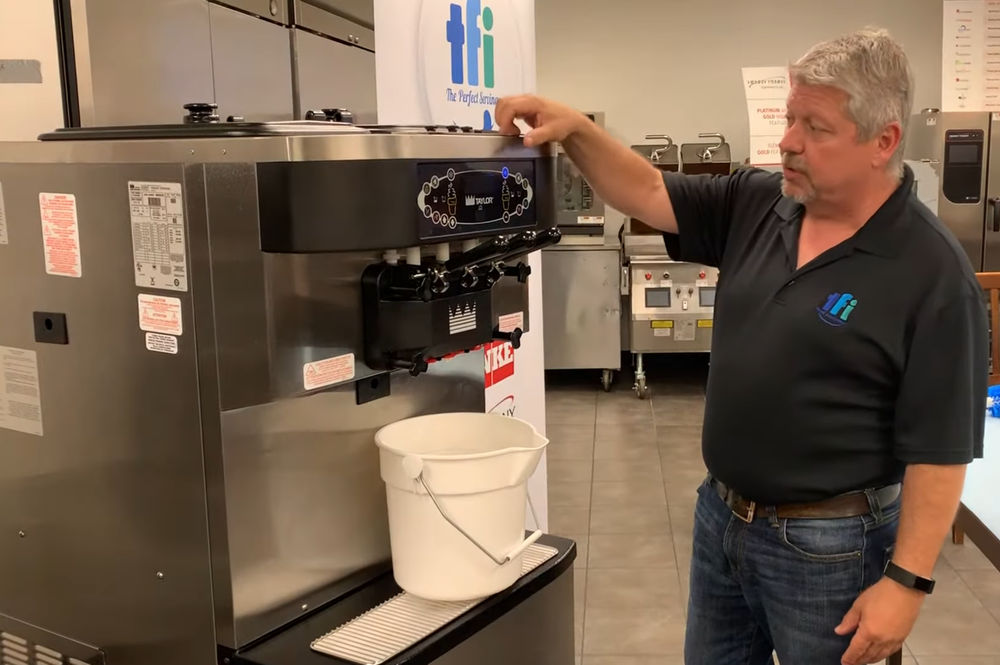
Monthly preventive maintenance for commercial kitchen uptime
Monthly soft serve maintenance is where operators move from cleaning into prevention. This is the layer that reduces surprise breakdowns.
Monthly checklist
Inspect scraper blades for wear and confirm they are still within usable thickness
Inspect all O-rings, seals, and gaskets and replace anything worn
Review viscosity and freeze-performance settings if product is drawing too soft or too firm
Clean and inspect condenser fins and confirm fan performance
Check for motor overload history, breaker trips, or repeat temperature faults
Review your maintenance log and look for recurring patterns
Schedule planned maintenance if the machine is showing drift, repeat codes, or declining performance
Planned maintenance visits can include calibrations and performance checks, while service logs help operators demonstrate compliance during inspections.
Soft serve machine troubleshooting: what operators should check first
TFI’s troubleshooting guidance is especially useful because it separates symptoms from likely causes and practical first checks.
1. Slow or soft draw
What it may signal:
Refrigeration is not reaching set-point
Check first:
Is the condenser coil dusty?
Is the hopper mix below 4 °C?
Has the machine been cleaned properly this week?
2. Product too firm or not dispensing
What it may signal:
Over-freezing
Viscosity setting issue
Dirty beaters or scraper blades
Check first:
Clean beaters and scraper blades
Verify viscosity settings
Run a rinse cycle if crystals or buildup are suspected
3. Mix leaking at the door or drive shaft
What it may signal:
Worn O-rings, seals, or gaskets
Check first:
Inspect seals during weekly cleaning
Confirm correct lubrication and reassembly
Replace worn sealing components before the leak worsens
4. “NO REF” or temperature-related fault codes
What it may signal:
Dirty condenser
Low refrigerant
Weak airflow
Check first:
Brush or vacuum condenser fins
Confirm the fan is running
Record the exact code before reset
5. Unit trips breaker or will not power up
What it may signal:
Motor overload
Electrical fault
Check first:
Allow the motor to cool for 10 minutes
Reset if appropriate
Confirm the dedicated circuit is correct
6. Grinding, knocking, or mechanical noise
What it may signal:
Gearbox or beater-bearing wear
Check first:
Stop the machine
Inspect the beater drive
Escalate quickly if the noise persists
We also recommend documenting every issue by date, symptom, and corrective action. That is a small habit with a large payoff because repeat patterns often reveal the real root cause faster than guesswork.
What staff can do themselves, and when to call a technician
Operators should handle routine cleaning, basic visual inspection, condenser cleaning, and first-line troubleshooting. That is normal. What they should not do is continue resetting the same fault, ignore electrical symptoms, or treat persistent leaks and mechanical noise as minor issues.
We advise calling the experts when you see:
Repeat fault codes after reset
Electrical smell, smoke, or persistent breaker trips
Gearbox, motor, or compressor noise
Leaks not clearly tied to a simple worn gasket
Downtime during peak trading hours
If the issue goes beyond cleaning, seals, and obvious setup checks, move it to a professional. TFI’s repair operation uses factory-trained technicians, genuine OEM parts, and supports operators across Ontario, Nova Scotia, New Brunswick, Prince Edward Island, and Newfoundland.
You can submit a service request directly through our support page.
The cost of skipping maintenance
Skipping maintenance usually starts as a time-saving decision and ends as a margin problem.
Here is the logic:
Dirty condensers reduce cooling efficiency
Worn blades and seals affect texture and consistency
Poor sanitation increases contamination risk
Repeat resets hide developing faults
Small parts wear becomes component failure
Preventable service becomes emergency service
Regular upkeep means lower repair costs, stronger compliance, and better operational efficiency.
For a Canadian operator, that means the true cost of poor maintenance is usually a mix of lost sales, poor guest experience, avoidable labour, wasted product, and higher repair spend. Planned maintenance is almost always cheaper than repeated reactive maintenance.
Why a maintenance plan makes sense for multi-unit and high-volume operators
Once you move beyond one lightly used machine, maintenance becomes a system, not a reminder.
That is where TFI Total Care comes in. TFI's Total Care programme includes reactive service calls, planned maintenance visits, parts logistics, troubleshooting support, year-round staff training, and predictable pricing without overtime charges.
The programme bundles reactive service calls, planned maintenance visits, OEM parts, staff training sessions, and shipping logistics into one monthly fee for operators across Ontario and Atlantic Canada.
For operators comparing service options, that matters because it changes maintenance from irregular emergency spend into a planned operating cost.
FAQ: Soft serve machine maintenance Canada
How often should a commercial soft serve machine be cleaned?
Daily cleaning is essential, and thorough deep cleaning should generally happen weekly or bi-weekly depending on usage. Some units may also require full internal sanitisation every two weeks if they are not run continuously.
What is the most commonly skipped maintenance task?
Condenser cleaning is one of the most commonly neglected jobs, and it is one of the highest-value ones. A quick weekly condenser clean can prevent 70% of temperature faults.
Can staff handle all soft serve machine maintenance themselves?
No. Staff should handle routine cleaning, sanitising, inspection, and basic troubleshooting. Persistent fault codes, electrical issues, motor or compressor noise, and unclear leaks should go to a certified technician.
Is a maintenance plan worth it for one location?
Usually yes, especially if soft serve is an important margin driver. A maintenance plan can reduce emergency downtime, standardise cleaning and inspections, and make service costs more predictable. TFI Total Care is designed around that model.
Final word
Commercial soft serve machine maintenance is not just about avoiding breakdowns. It protects food safety, product quality, uptime, and profit. The winning routine is simple: clean daily, deep clean weekly, inspect monthly, log every issue, and escalate sooner instead of later.
If your machine is showing repeat codes, drawing soft, leaking, or simply overdue for planned maintenance, book support before the next rush. Submit a service request, review TFI’s commercial kitchen equipment repair services, or explore TFI Total Care for a more proactive maintenance plan.
Troubleshooting didn't work? Request urgent service from TFI's technicians in Ontario and Atlantic Canada, or book a scheduled visit. For DIY fixes, find the right Taylor part in our shop.

Nicole Camposeo-Cheung is the Director of Marketing, People & Culture at TFI Food Equipment Solutions, Canada’s leading provider of premium commercial foodservice equipment. She combines her expertise in business management and fashion arts to foster a dynamic, innovative, and people-centric corporate culture. Passionate about empowering teams, building strong client relationships, and driving growth through creativity and collaboration, Nicole plays a key role in shaping TFI’s brand and workplace culture. She also shares her industry expertise and insights through the TFI blog, helping foodservice professionals stay informed about the latest trends, best practices, and innovations in commercial food equipment.
Add a comment
This will be publicly visible.
Your email address will not be published.
Your comment will be reviewed by an admin before it is published.


