
Spring Food Trends in Canada 2026: Data-Backed Guide
Spring 2026 brings the return of patios, Easter and Mother's Day traffic spikes, and the switch from hot to iced drinks. Here is the Canadian foodservice data, menu moves, and equipment that protect margin through summer.

Spring food trends in Canada are resetting menus and margins for the year ahead. Canadian foodservice traffic rose 3.2% in Q1 2025 while consumer spending climbed 5.7%, and operators heading into spring 2026 are rebuilding menus around cold beverages, brunch throughput, lighter proteins, and patio-ready service. This guide breaks down the data behind the spring 2026 shift, the produce and menu moves Canadian operators should make now, and the equipment that turns seasonal demand into year-round margin.
Planning a spring menu refresh or equipment upgrade? Request a free consultation from TFI's team in Ontario or Atlantic Canada.
Canada's foodservice sector generated $96.5 billion in 2024, and spring is where operators rebuild menu mix before the high-margin summer window.
The Big Spring Food Trends in Canada for 2026
Spring 2026 is not a soft transition from winter. It is a distinct operating window with its own consumption patterns, traffic spikes, and margin opportunities. Canadian operators entering the season are acting on a clear set of trends.
Cold beverages overtake hot. Cold coffee already made up 21% of past-day cups in December 2024, up from 10% the year prior. The March-to-May crossover is permanent, not seasonal.
Patio and brunch dayparts are back. Full-service patios and weekend brunch are pulling back spend from the dinner daypart as Canadians shift toward more affordable meal times like brunch and lunch.
Lighter menus built on fewer ingredients. Operators are narrowing spring menus to fewer dishes done well, built around what is fresh, local, and in season.
Tea and global flavours cross into savoury. Tea usage is growing across menus in both sweet and savoury applications, from Earl Grey desserts to tea-smoked proteins.
Lemon pepper and ube keep climbing. Lemon pepper has grown 79% on menus in four years, and ube is up 222% since 2022, both anchoring colour-forward spring dishes.
Basque cheesecake leads spring desserts. The burned-top cheesecake is up 357% on menus since 2022, with another 98% growth projected over the next four years.
Beverages move from supporting role to anchor. Non-alcohol and adult beverages are leading menu growth on Canadian chains year over year.
What Canadians Eat and Drink in Spring 2026
Spring consumption in Canada follows predictable patterns, and the 2026 data points to clear operator moves. Value remains the top driver, with 88% of Canadians citing low price or value as an important factor when dining out, while 68% also prioritize healthy and locally sourced ingredients. The implication for spring menus: pair value-forward pricing with seasonal produce and local sourcing on the same plate.
Breakfast and brunch spend is rising as dinner spend flattens. Restaurants that add or expand brunch service heading into spring capture the shift in Canadian daypart behaviour, which has been building since late 2024. For operators who have the kitchen throughput, moving weekend brunch from a two-hour service to a four-hour service captures the largest single-day traffic gain available in the spring calendar. Similar patterns appear in our consumer food trends guide, where value, protein, and convenience continue to shape weekly purchases.
Cold, Iced, and Frozen Beverages Take Over the Spring Menu
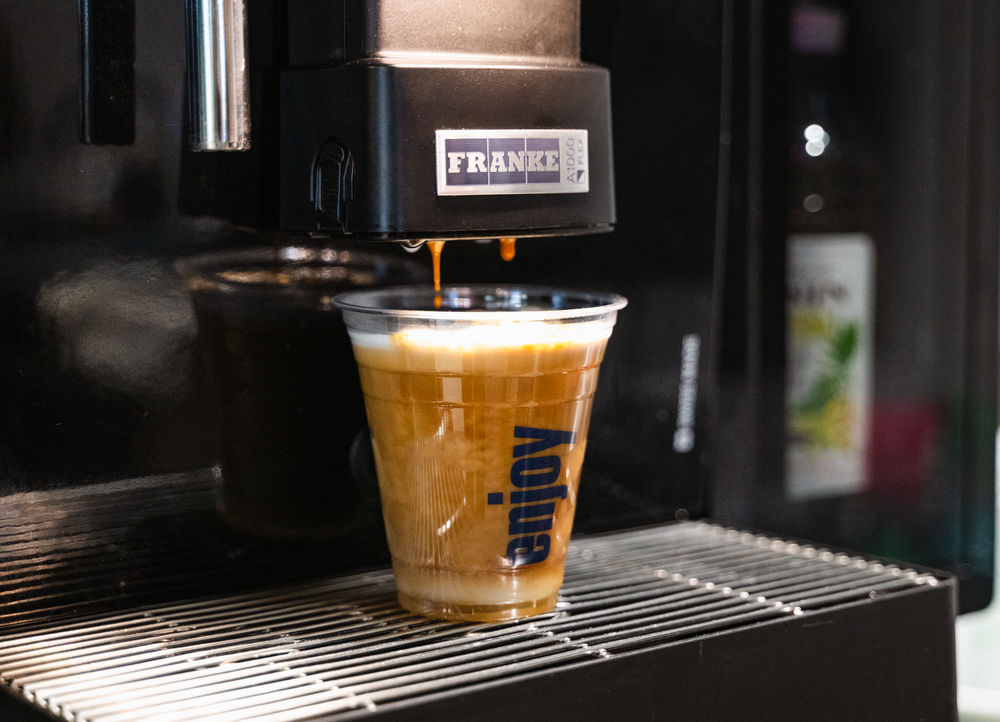
The sharpest line in spring is the switch from hot to iced. Data from the Coffee Association of Canada shows cold cups climbing past 20% of daily consumption by December, and March to May is when cold pulls ahead of hot in the ordering mix. Operators who wait until July to reset their cold menu lose the largest margin months of the year to competitors who moved in March.
Three moves matter most:
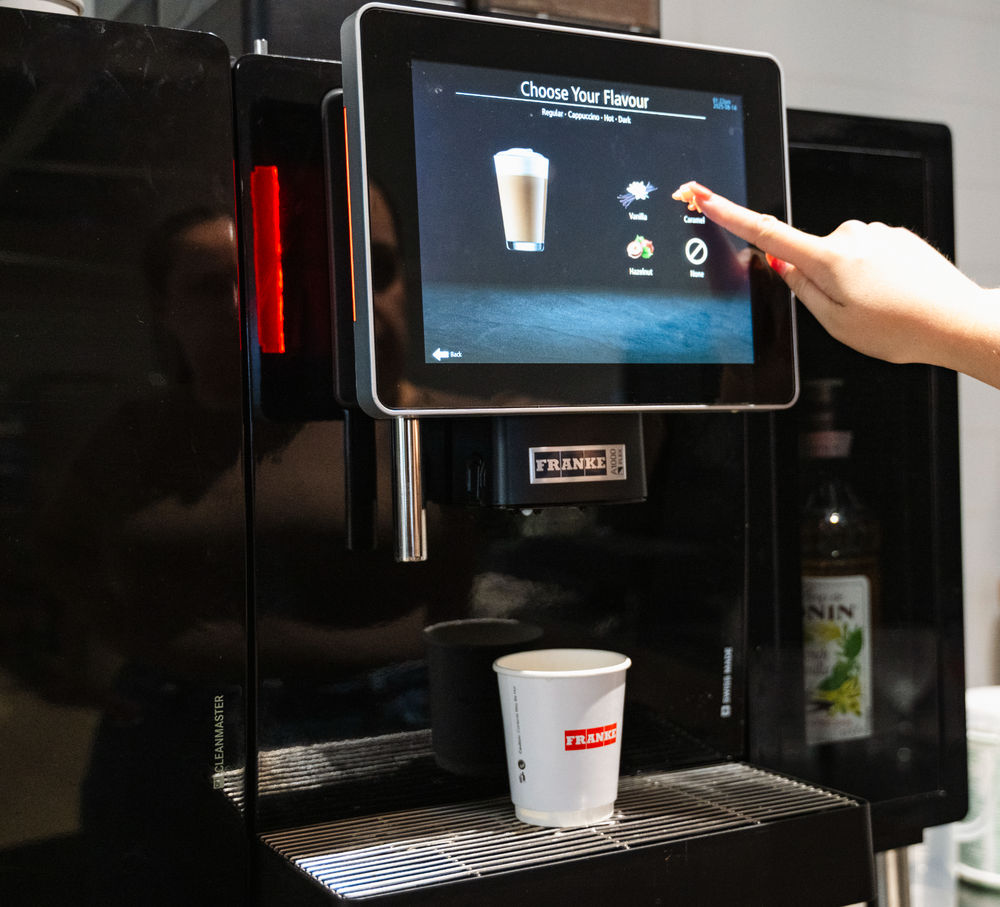
Standardize a hot and iced version of every core espresso drink. A Franke A Series super-automatic system handles both from one machine, with programmes delivering 80%+ gross profit and 6 to 12 month payback.
Add a frozen coffee or slush SKU for patio season. Taylor frozen beverage programmes deliver 70-80% gross profit with 6 to 18 month payback, and pair with existing coffee or soft-serve programmes to lift afternoon and evening traffic.
Build a non-alcohol beverage programme. Floral spritzes, iced teas, and spring-flavoured mocktails are expanding fastest on Canadian menus and carry strong margins without licence requirements.
Spring is the single best window of the year to convert a hot-coffee-only menu into a year-round cold programme. Operators who move in March compound the gain across all of patio season.
For the full beverage picture, our coffee trends guide covers cold crossover data, espresso mix shifts, and plant-based milk adoption in detail.

Patio Season Menu Engineering
Patio season in Canada starts earlier than most operators plan for. In Ontario, patios in Toronto, Mississauga, Ottawa, and Hamilton open as early as mid-April on warm weekends. In Atlantic Canada, Halifax, Dartmouth, Moncton, and Charlottetown patios follow by late April into early May. The operators who capture the first four weekends of patio weather carry that margin through the entire summer.
Spring patio menus share three characteristics:
Throughput-first dishes. Items that plate fast and hold well, including bowls, wraps, shareables, and flat-grill proteins, keep the kitchen moving at patio volume.
Cold drink anchors. Frozen coffee, slush, mocktails, and non-alcohol spritzes drive the highest margin per ticket and encourage longer stays.
Dessert add-ons built for margin. Soft-serve, sundaes, and Basque cheesecake finish tickets at low food cost and high perceived value.
Equipment decisions for patio season should centre on speed and versatility. A Henny Penny combi oven handles brunch proteins, vegetables, and patio lunch service from one footprint. A Taylor clamshell grill cooks both sides of a protein at once, cutting service time on the busiest patio weekends.
Easter, Mother's Day, and Victoria Day: Planning the Spring Traffic Spikes
Spring concentrates three of the four largest single-day traffic events in the Canadian foodservice calendar. Easter brunch in April, Mother's Day brunch in May, and Victoria Day weekend in late May each drive a measurable spike in full-service restaurant volume. Mother's Day is the busiest brunch day of the year in Canada according to OpenTable, with 38% of Canadians dining out on the day planning to spend over $80 per person.
Operator moves for the three spikes:
Easter brunch (April). Build a prix-fixe brunch with eggs, ham, lamb, and a dessert table. Combi ovens handle volume proteins, eggs, and hash browns in parallel, removing the Easter morning bottleneck.
Mother's Day brunch (May). The single highest-traffic brunch day of the year. Require reservations, stagger seatings, and pre-plate the first course. A Franke coffee system running in self-serve mode clears the espresso line without adding barista labour.
Victoria Day long weekend. The unofficial start of patio season in most of Canada. This is the weekend to launch the summer cold drink menu and run the first promotional frozen beverage SKU.
Cross-utilization matters here. A combi oven that handles Easter ham also runs Mother's Day quiche, Victoria Day ribs, and Tuesday night chicken. One piece of equipment, three holidays of margin.

Canadian Spring Produce and Lighter Proteins
The Canadian spring produce calendar is tight but high-impact. Rhubarb and asparagus are the first fresh produce of the year, followed by spring greens, radishes, peas, and early strawberries by late May. Native Saskatoon berries begin flowering in May across the Prairies and Ontario, setting up July and August fruit that operators can lock in now with frozen or preserved inventory for spring specials.
Lighter proteins move with the season. Chicken, spring lamb, whitefish, and plant-based mains replace the heavier winter cuts. Canadian chicken consumption sits at 34.8 kg per capita annually, and spring is when operators reposition chicken dishes around lighter preparations: grilled, roasted, or air-fried rather than breaded and deep-fried.
Three spring protein moves that convert:
Swap one heavy winter protein for a grilled or pressure-fried spring version. A Henny Penny pressure fryer delivers juicy chicken with 40% less oil than open-well fryers, which matters when health-forward menus drive spring traffic.
Add a LightFry oil-free item to the menu. A commercial air fryer produces crisp vegetables, chicken, and fries without oil, letting operators market a lighter spring menu without reformulating every dish.
Feature Canadian spring produce on one or two seasonal specials. Rhubarb in a dessert, asparagus as a side, or preserved Saskatoon berries in a sauce or cocktail build a local story that aligns with the 68% of Canadians who value local sourcing.
Ontario and Atlantic Canada: Regional Notes
Spring lands differently across TFI's service provinces, and operators should plan around it.
Ontario and the GTA. Ontario led national restaurant sales growth in 2024, and spring is when that momentum compounds. Toronto, Mississauga, Hamilton, and Ottawa operators should plan for an early April patio opening, a strong Easter brunch turnout, and a May breakfast-and-brunch ramp that carries through June. Equipment demos at our Mississauga showroom cover full brunch and patio equipment lines, from combi ovens to Franke coffee systems.
Atlantic Canada. Halifax, Dartmouth, Moncton, Charlottetown, and St. John's operate on a slightly later spring timeline. Patios typically open late April into the May long weekend, and lobster roll season reopens across the region in mid-May, giving Atlantic operators a protein hook Ontario cannot match. Seafood-forward spring menus and patio frozen drink programmes convert especially well in Atlantic c-store and QSR channels. Our Dartmouth showroom supports Nova Scotia, New Brunswick, PEI, and Newfoundland and Labrador operators with full equipment demos and on-site service.
How Operators Can Act Now and Model ROI Fast
For over 60 years, TFI Food Equipment Solutions has been Canada's largest supplier of specialty foodservice equipment, serving major chains including McDonald's, Tim Hortons, Circle K, Loblaws, 7-Eleven, and Wendy's, plus approximately 94% of Canadian convenience store chains. Our team helps operators match spring demand to equipment and programmes that protect margin.
Match spring consumer demand to equipment and programmes that protect margin:
Cold beverage programme: Franke A Series or S Series super-automatic coffee systems, 80%+ gross profit, 6 to 12 month payback.
Frozen drink and soft-serve programme: Taylor slush and soft-serve machines, 70-80% gross profit, 6 to 18 month payback.
Brunch and patio kitchen throughput: Henny Penny combi ovens and clamshell grills for volume protein and egg service.
Lighter menu items: LightFry commercial air fryers for oil-free sides, chicken, and vegetables.
Fried chicken and protein programmes: Henny Penny pressure fryers with Smart Touch Filtration, 40% less oil than open-well fryers.
Finance and service options that keep spring capital flexible: lease-to-own on new units, short-term rentals on used or demo equipment, restaurant equipment leasing and rentals, and TFI Total Care maintenance programmes with 24/7 emergency service.
Best Spring Menu Ideas in Canada for 2026
Five spring menu moves that convert Canadian demand into margin:
Iced latte flight with spring flavours. Elderflower, rhubarb, and Saskatoon berry syrups over a Franke-pulled espresso base. High margin, photogenic, and aligned with the cold crossover.
Rhubarb-strawberry soft-serve swirl. A Taylor soft-serve machine runs the base year-round; rhubarb-strawberry sauce swaps in for spring. Soft-serve remains one of the most profitable menu additions for Canadian operators.
Easter brunch prix-fixe. Combi-oven ham or lamb, eggs benedict, asparagus side, and a Basque cheesecake finish. Drives the highest-margin ticket of April.
Lemon pepper pressure-fried chicken sandwich. Rides the 79% lemon pepper menu growth while delivering the margin profile of pressure-fried chicken.
Floral spritz mocktail. Elderflower, lemon, and sparkling water with a spring herb garnish. Non-alcohol spend is growing faster than beer across Canadian chains, and a well-built mocktail programme carries 80%+ margin.
Frozen beverage and soft-serve programmes built around Taylor equipment typically deliver 70-80% gross profit with payback in 6 to 18 months, making them one of the highest-margin menu categories available to Canadian operators.
Spring Trend to Action to Equipment Cheat Sheet
Spring Trend | What to Do Next | Equipment or Programme Action |
|---|---|---|
Cold drinks overtake hot (March to May) | Standardize hot and iced versions of every core espresso drink | Franke A Series or S Series, 80%+ gross profit |
Patio season starts earlier in Ontario | Launch cold menu and promotional slush SKU by mid-April | Taylor slush machines, 70-80% gross profit |
Easter and Mother's Day brunch spikes | Build a prix-fixe brunch with combi-oven proteins | Henny Penny combi ovens, multi-cook versatility |
Lighter menus and health-forward dishes | Add oil-free sides, vegetables, and chicken | LightFry commercial air fryer, zero oil |
Chicken features rise with spring | Reposition fried chicken around juicier, lower-oil preparation | Henny Penny pressure fryer, 40% less oil |
Dessert-driven tickets (Basque, soft-serve) | Add a seasonal soft-serve or swirl finisher | Taylor soft-serve machines, high-margin add-on |
Non-alcohol beverage growth | Build a floral mocktail and iced tea programme | Slush equipment plus fresh-brew infrastructure |

FAQs
What are the spring food trends in Canada for 2026?
The biggest spring food trends in Canada for 2026 are the permanent switch from hot to iced beverages, the return of patio and brunch dayparts, lighter menus built on Canadian spring produce, and dessert-driven tickets anchored by Basque cheesecake and soft-serve. Operators should also expect tea-infused savoury dishes, lemon pepper and ube on menus, and continued growth of non-alcohol beverage programmes per the Datassential 2026 Trends Report.
What Canadian produce is in season in spring?
Rhubarb and asparagus are the first Canadian spring vegetables, typically hitting menus by late April. By late May, Canadian spring produce expands to include spring greens, radishes, peas, green beans, and early strawberries. Native Saskatoon berries begin flowering in May across the Prairies and Ontario, with fruit harvested in mid-July through August, giving Canadian operators a distinctive local story for late-spring and summer specials.
When does patio season start in Canada?
Patio season in Ontario typically starts in mid-April on warm weekends in Toronto, Mississauga, Hamilton, and Ottawa. In Atlantic Canada, patios in Halifax, Dartmouth, Moncton, and Charlottetown open in late April and hit full stride by the Victoria Day long weekend. Operators who capture the first four patio weekends carry the margin through summer.
What drinks are trending for spring 2026 in Canada?
Iced coffee, frozen coffee, slush, floral spritzes, iced tea, and non-alcohol mocktails are the fastest-growing spring drinks on Canadian menus. Cold coffee already represents 21% of past-day cups by December, and the March-to-May crossover is where cold pulls ahead of hot in the order mix. Adding both a cold espresso line and a frozen drink SKU is the highest-return beverage move for spring. Our coffee trends guide covers the full crossover data.
How do restaurants profit from spring menus?
Restaurants profit from spring menus by pairing high-margin seasonal drinks and desserts with throughput-first patio dishes. Cold beverage programmes deliver 80%+ gross profit on coffee and 70-80% on frozen drinks and soft-serve, which compound across brunch, patio, and holiday traffic. Equipment investments typically pay back in 6 to 18 months, and TFI's profit programmes model the full ROI before the first machine ships.
How can operators prepare their equipment for spring service?
Operators should schedule preventive maintenance in March, stock OEM parts for high-traffic equipment ahead of Easter, and confirm cold-side machines are calibrated for iced beverage volume before April. TFI's factory-trained technicians provide 24/7 service and OEM parts across Ontario and Atlantic Canada, and operators can book a service request ahead of the spring ramp.
Take the Next Step
TFI Food Equipment Solutions supports Ontario, Nova Scotia, New Brunswick, Prince Edward Island, and Newfoundland and Labrador with sales, installation, training, rentals, leasing, and 24/7 OEM-quality service. Our team helps Canadian operators match spring consumer demand to the right equipment, from Franke super-automatic coffee systems and Taylor frozen beverage programmes to Henny Penny combi ovens, LightFry commercial air fryers, and Icetro ice equipment. We are Canada's leading distributor of Taylor, Franke, Henny Penny, Icetro, and LightFry food equipment.
Ask for an equipment demo in Mississauga or Dartmouth, or request a free quote today.

Nicole Camposeo-Cheung is the Director of Marketing, People & Culture at TFI Food Equipment Solutions, Canada’s leading provider of premium commercial foodservice equipment. She combines her expertise in business management and fashion arts to foster a dynamic, innovative, and people-centric corporate culture. Passionate about empowering teams, building strong client relationships, and driving growth through creativity and collaboration, Nicole plays a key role in shaping TFI’s brand and workplace culture. She also shares her industry expertise and insights through the TFI blog, helping foodservice professionals stay informed about the latest trends, best practices, and innovations in commercial food equipment.
Add a comment
This will be publicly visible.
Your email address will not be published.
Your comment will be reviewed by an admin before it is published.


