
ROI Benchmarks for Commercial Foodservice Equipment in Canada (2026)
Reference guide to ROI benchmarks for commercial foodservice equipment in Canada, with verified payback periods and gross profit margins by category and operator segment.

Commercial foodservice equipment ROI in Canada varies widely by category, with soft serve and coffee programmes delivering the highest gross margins and the fastest paybacks. This 2026 reference brings together verified payback periods, gross profit margins, and segment-level benchmarks so Canadian operators can compare categories before they buy. Every figure below comes from TFI's own profit programmes or a verifiable industry source, with operator context for Ontario and Atlantic Canada.
Looking to model ROI on a specific machine for your menu? Request a free equipment consultation from TFI's team in Mississauga or Dartmouth.
ROI benchmarks are provided for reference only and reflect typical performance across Canadian foodservice operators. Real-world results vary by operator, segment, and market conditions, and TFI recommends a free consultation to model your specific volume, costs, and financing options.

Why ROI Benchmarks Matter for Canadian Operators in 2026
Margins are getting tighter in 2026. Canadian commercial foodservice sales rose 6.9% in the first seven months of 2025, but Restaurants Canada has revised its 2026 sales growth forecast down to 2.3%, citing consumer spending pressure. When top-line growth slows, equipment ROI becomes the lever operators can still pull. Choosing categories with the strongest gross margin and the shortest payback period frees cash to reinvest in labour, service, and menu development.
ROI benchmarks for commercial foodservice equipment combine three numbers operators should review side by side:
Gross profit margin: revenue per serving minus the direct cost of ingredients and consumables, expressed as a percentage.
Payback period: how many months of incremental gross profit it takes to recover the cost of the machine, install, and training.
ROI percentage: net profit divided by total investment, usually quoted annually or quarterly.
For a step-by-step on calculating these numbers for your own kitchen, see TFI's companion guide on restaurant equipment ROI. The benchmarks below are the inputs you can plug into that calculation.
Energy-efficient foodservice equipment can cut utility costs by 10 to 30%, which materially shortens payback on every category in the tables below.
ENERGY STAR notes that certified commercial food service equipment can save operators about $4,000 per year across a typical kitchen, with coffee makers up to 35% more efficient and refrigeration up to 20% more efficient than standard models. Energy savings show up directly in payback period maths. Lighting sits on the same bill, and an LED lighting retrofit typically reduces lighting energy use by 30 to 70%, depending on the fixtures it replaces.
ROI Benchmarks by Equipment Category
Each category below shows the verified margin and payback range, the equipment TFI carries in that category, and the operator profile it tends to fit best.
Soft Serve, Frozen Yogurt, and Slush Machines
Gross profit margin: 70 to 80%. Typical payback: 6 to 18 months.
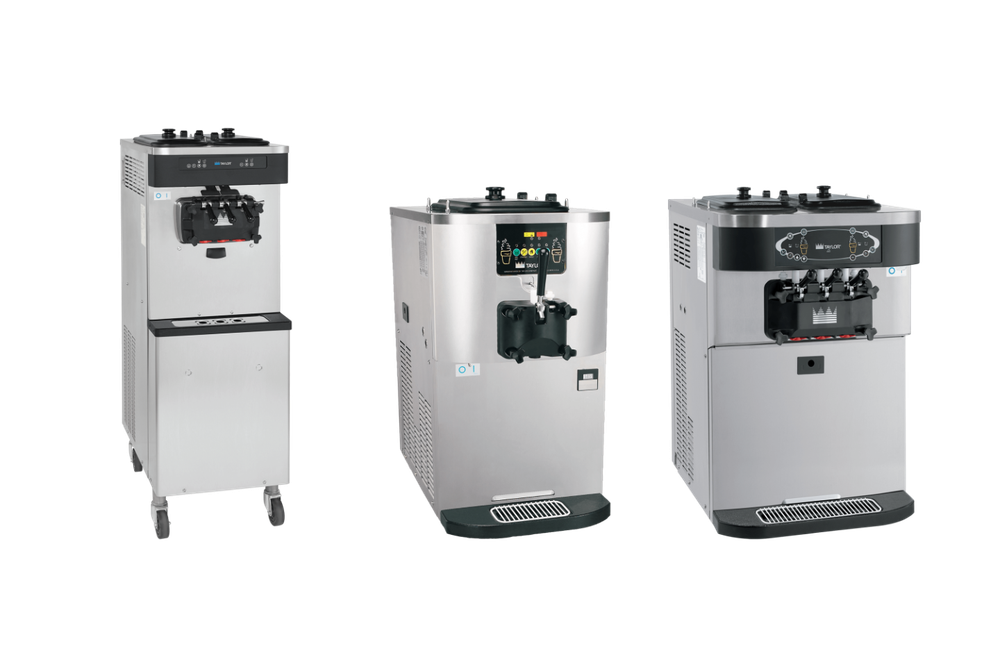
Soft serve, frozen yogurt, and slush programmes built around Taylor equipment generate 70 to 80% gross profit, with crowd-pleasing slush and shake programmes paying back in 6 to 18 months. Low ingredient cost per serving and high average ticket are what drive the maths. Industry guides report a similar range, with 60 to 75% gross margins typical for soft serve operations.
TFI's think soft serve guide walks through the unit economics, and the monthly profit soft serve machine article models revenue against daily volume. Carbonated and uncarbonated slush machines sit in the same margin band and travel especially well in convenience and c-store formats.
Frozen dessert and beverage programmes are the highest gross margin category in commercial foodservice, with verified Canadian programmes paying back equipment cost in as little as six months.
Bean-to-Cup Coffee and Espresso Systems
Gross profit margin: 80% or more. Typical payback: 6 to 12 months.
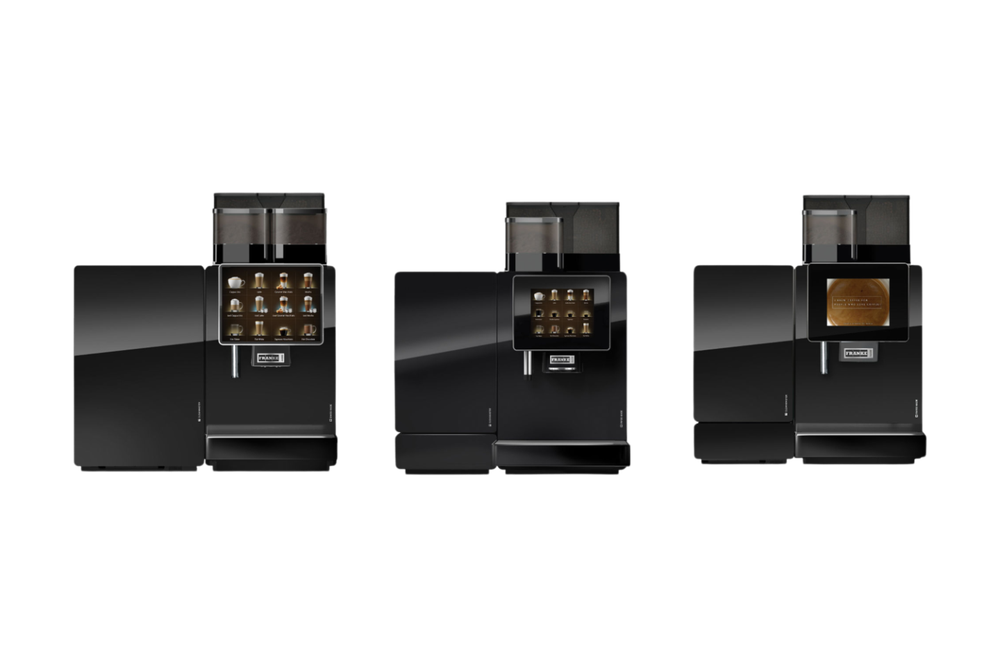
Super-automatic Franke systems pull 80% or more gross profit and pay back in 6 to 12 months in most Canadian deployments. The category benefits from low cost per cup, high attach rate to food, and the fact that bean-to-cup machines remove the labour cost of a trained barista. Industry benchmarks for specialty coffee shops show 85 to 90% gross margin on drip and espresso drinks, consistent with TFI's programme numbers.
Franke's A Series handles small to medium volume, and the S Series is built for higher throughput formats like c-store and hotel lobbies. The same machine produces hot and cold drinks, which matters as cold coffee continues taking share year over year.
Low-Oil Open Fryers
Oil reduction: up to 40%.
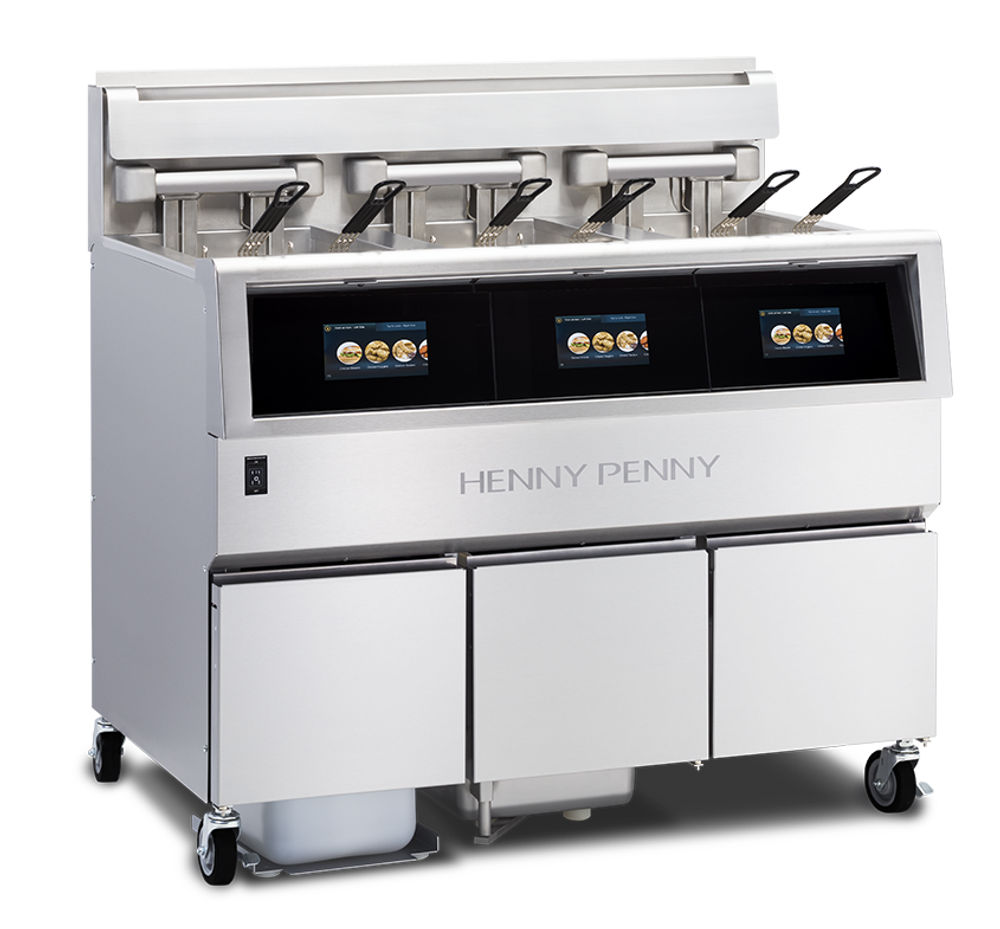
Henny Penny Evolution Elite open fryers cook the same volume in 40% less oil than standard fryers. The Evolution Elite uses Smart Touch Filtration and the Oil Guardian sensor system to automate top-off and filtration. Henny Penny confirms the 40% oil reduction on its product page, with low-oil vats using roughly 30 lbs of oil versus 50 to 65 lbs in standard fryers.
Calculate oil savings with Henny Penny's oil-savings online calculator.
For operators running fried foods at volume, the oil line item alone often justifies the upgrade. Add ENERGY STAR-level utility savings on top, and payback compresses further.
Pressure Fryers and Combi Ovens
Margin lift: variable; multi-equipment replacement.
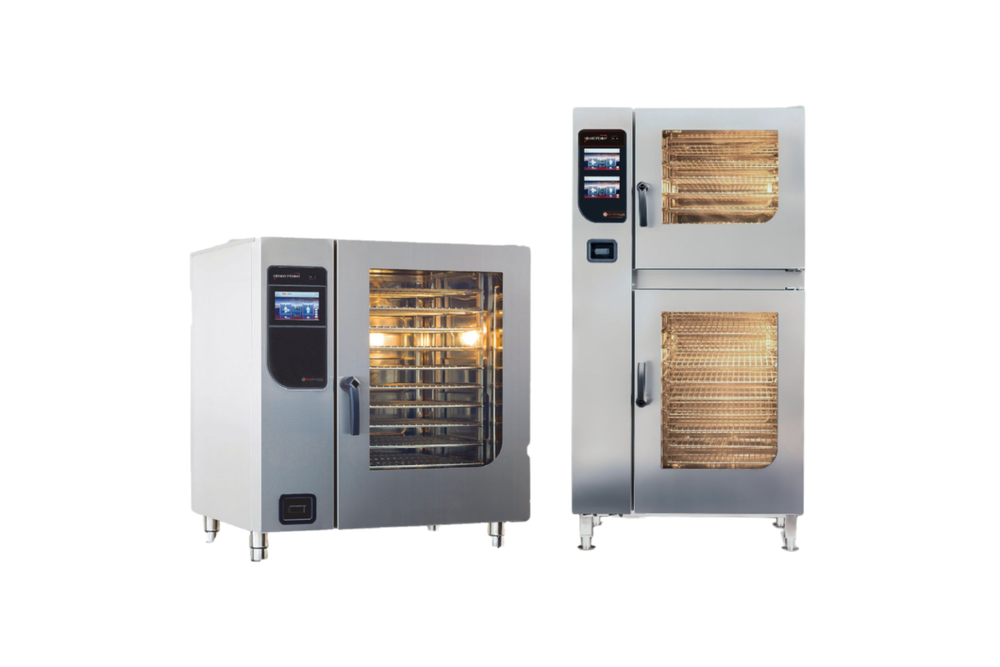
Henny Penny pressure fryers and FlexFusion combi ovens sit in a different ROI bucket. Pressure fryers are the category that built fried chicken QSR, and they can lift gross profit on a fried chicken or wing programme by 60 to 70% when paired with the right menu. Combi ovens replace multiple pieces of equipment in a single footprint, which is where the ROI shows up. Operators recover the investment through reduced equipment count, lower labour, and faster cook times.
Both categories are common in QSR, full-service, and institutional kitchens. Browse TFI's pressure fryers and combi ovens for the full lineup.
ROI Benchmarks by Foodservice Segment
The same equipment delivers different ROI in different operating environments. The benchmarks below show where each category usually performs strongest.
Quick Service Restaurants
QSR is the largest commercial foodservice segment in Canada, with quick service holding about 53% of market share according to multiple market reports. High throughput, consistent menu, and standardised recipes are what make QSR a fit for soft serve, slush, bean-to-cup coffee, and low-oil fryers. Payback periods at the short end of each range, often 6 to 12 months, are realistic in QSR formats because daily volume drives the maths.
Convenience Stores
C-store operators serve about 94% of Canadian convenience chains through TFI. The categories that pay back fastest here are slush, soft serve, and bean-to-cup coffee, all of which fit a small footprint and require minimal labour. Frozen beverage programmes in convenience and gas formats are a classic 6 to 18 month payback when paired with the right merchandising.
Full-Service Restaurants
Full-service restaurants in Canada generate about $49.5 billion in revenue across roughly 79,000 establishments, per ISED Canada figures. ROI in this segment leans toward combi ovens and Henny Penny low-oil fryers because the menu mix is broader and the cook line is more complex. Dessert and coffee programmes add high-margin secondary revenue streams.
Coffee Shops and Cafés
Independent and chain café operators see the highest gross margin category in this guide. Bean-to-cup automation removes barista labour cost and produces consistent quality across shifts. Franke systems are a fit for both self-serve and assisted service formats, with payback at the 6 to 12 month end of the range in busier locations.
Hotels, Institutions, and Catering
Hotels, hospitals, universities, and catering operations are increasingly running self-serve coffee, soft serve, and frozen beverage formats. Payback in these environments depends on captive audience volume, but Franke and Taylor programmes consistently land inside the 12 to 18 month range when sized correctly.

ROI Benchmarks Cheat Sheet
Equipment Category | Gross Profit Margin | Typical Payback | Strongest Segment Fit | Verified Source |
|---|---|---|---|---|
70 to 80% | 6 to 18 months | QSR, c-store, ice cream shops | TFI Taylor programme | |
80% or more | 6 to 12 months | Cafés, hotels, c-store | TFI Franke programme | |
40% oil cost reduction | 8 to 18 months | QSR, full-service | TFI Henny Penny programme | |
60 to 70% lift on fried programme | 12 to 24 months | QSR fried chicken, wings | TFI Henny Penny programme | |
Equipment consolidation savings | 24 to 36 months | Full-service, bakery, institutional | Industry standard |
What Affects Your Actual Payback Period
Benchmarks are a starting point. Five variables move actual payback up or down from the typical range.
Daily volume and average ticket. A QSR running 400 soft serve cones per day at $4 each hits payback faster than a café running 40 per day at $3. Plug your forecast volume into TFI's ROI methodology walkthrough to model your specific case.
Energy and oil costs. Provincial electricity rates and oil prices both feed payback maths. ENERGY STAR-certified equipment can save 15 to 30% on utility costs versus standard models, which compresses payback by months.
Finance terms. Leasing, rentals, and lease-to-own change the cash flow shape of the investment. TFI's restaurant equipment financing guide explains how each option affects payback in Canada.
Service and downtime. Equipment that breaks down at peak hours destroys ROI faster than any spreadsheet shows. Factory-trained technicians and OEM parts matter. TFI's commercial kitchen equipment repair services and TFI total care program keep equipment in revenue-producing mode with 24/7 emergency support.
Operator type and menu fit. A frozen yogurt programme in a busy QSR is a different ROI exercise than the same equipment in a fine dining restaurant. Match the category to the segment that produces the verified payback range.
Ontario and Atlantic Canada Operator Notes
TFI serves operators across Ontario, Nova Scotia, New Brunswick, Prince Edward Island, and Newfoundland and Labrador. Regional considerations show up in payback maths in two main ways.
Ontario and GTA. Dense QSR and c-store networks across Toronto, Mississauga, Brampton, and the Niagara region produce the volume needed for short-end paybacks on soft serve, slush, and bean-to-cup coffee. The TFI Mississauga showroom supports live demos and in-person ROI consultations for Ontario operators.
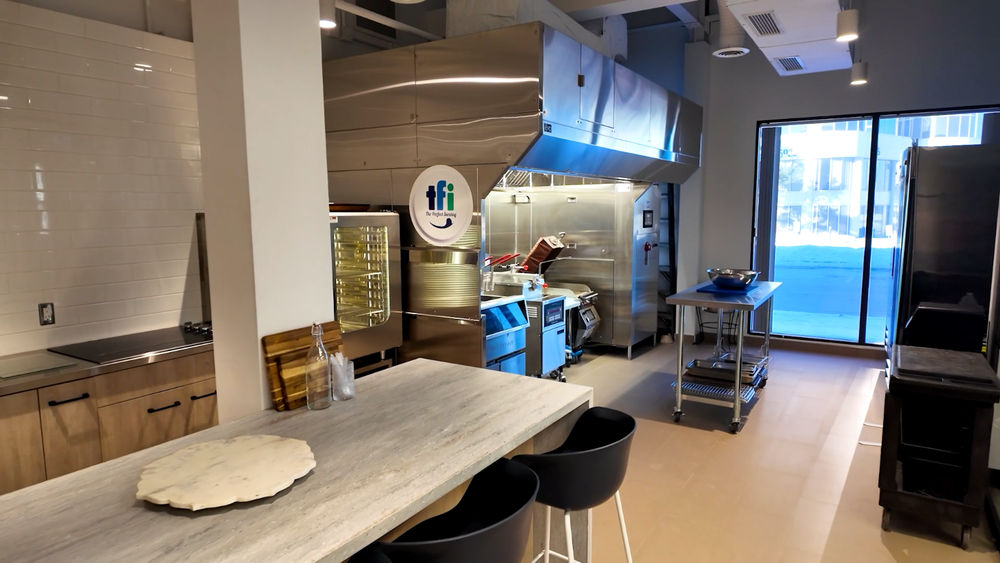
Atlantic Canada. Halifax, Dartmouth, Moncton, Saint John, Charlottetown, and St. John's operators see strong ROI on slush and frozen beverage programmes in the summer tourism months, and on combi ovens and fryers in year-round institutional and full-service formats. The TFI Dartmouth location provides parts, service, and demos for Atlantic Canada operators.
How TFI Helps Canadian Operators Hit Benchmark Faster
For more than 60 years, TFI Food Equipment Solutions has been Canada's largest supplier of specialty foodservice equipment and programmes. The company partners with major operators including McDonald's, Tim Hortons, Circle K, Loblaws, 7-Eleven, and Wendy's, alongside thousands of independent restaurants and convenience stores. With about 100 employees averaging nearly 10 years of tenure, TFI brings deep product knowledge to every install.
The categories above are supported by TFI's three profit-building programmes, each tied to verified ROI:
Taylor programme: 70 to 80% gross profit, 6 to 18 month paybacks on soft serve, frozen yogurt, and slush.
Franke programme: 80% or more gross profit, 6 to 12 month paybacks on bean-to-cup coffee.
Henny Penny programme: 40% less oil consumption with low-oil fryers.
TFI also provides certified pre-owned equipment, lease-to-own financing, equipment rentals, factory-trained 24/7 service, and free in-person consultations at the Mississauga and Dartmouth showrooms.

Frequently Asked Questions
What is a good ROI for commercial foodservice equipment in Canada?
A strong benchmark is a minimum of 10% ROI quarterly, with the average restaurant ROI reported at 10.73% per CSI Market. For specific equipment categories, TFI's verified programmes show much higher returns, with soft serve and coffee programmes producing 70 to 80%+ gross profit with equipment paybacks inside 18 months.
How long does it take for a commercial soft serve machine to pay for itself?
Soft serve, frozen yogurt, and slush programmes built on Taylor equipment typically pay for themselves in 6 to 18 months. Faster paybacks tend to be QSR and c-store formats with high daily volume.
What is the gross profit margin on a commercial coffee programme?
Bean-to-cup coffee programmes generate 80% or more gross profit when built around super-automatic systems like Franke. Independent industry data on specialty coffee shops shows drip and espresso drinks at 85 to 90% gross margin. Coffee is consistently the highest gross margin category in commercial foodservice.
How much can a low-oil fryer save per year?
Henny Penny Evolution Elite fryers cook the same food volume in 40% less oil than standard fryers. High-volume operators report annual oil savings in the thousands of dollars, before factoring energy savings from more efficient heating and reduced filtration labour.
Do commercial kitchens make money in Canada?
Commercial foodservice in Canada generated about $135 billion in sales in 2025 per industry reporting, with full-service restaurants alone contributing $49.5 billion in revenue across 79,000-plus establishments. Profitability depends heavily on category mix, operating costs, and equipment ROI. Adding high-margin categories like soft serve and coffee is one of the most reliable ways to lift gross profit.
What is the typical payback period for commercial kitchen equipment in Canada?
Payback varies by category. Verified TFI programmes show soft serve at 6 to 18 months, coffee at 6 to 12 months, and low-oil fryers at 8 to 18 months. Combi ovens and pressure fryers tend to run longer because their ROI shows up through equipment consolidation and labour reduction rather than direct margin.
Does financing affect equipment ROI?
Yes. Lease-to-own and rental options spread the cash investment across the same period the equipment is producing gross profit, which can improve cash flow even though the absolute interest cost is higher. Compare the options Canadian operators use most often before committing capital.
Key Takeaways
TFI Food Equipment Solutions supports Ontario, Nova Scotia, New Brunswick, Prince Edward Island, and Newfoundland and Labrador with sales, installation, training, rentals, leasing, and 24/7 factory-certified service. Whether you are sizing a Taylor soft serve programme, a Franke coffee system, or a Henny Penny low-oil fryer, our team can model the benchmark numbers above against your specific volume and menu. We are Canada's largest distributor of Taylor, Franke, and Henny Penny food equipment.
Ask for an equipment demo at our Mississauga or Dartmouth showrooms, or request a free quote today.
The figures above are industry averages and verified TFI programme benchmarks, not guaranteed outcomes. Your actual ROI and payback period will depend on operator-specific factors including location, traffic, average ticket, labour structure, and how the equipment fits your existing menu.

Nicole Camposeo-Cheung is the Director of Marketing, People & Culture at TFI Food Equipment Solutions, Canada’s leading provider of premium commercial foodservice equipment. She combines her expertise in business management and fashion arts to foster a dynamic, innovative, and people-centric corporate culture. Passionate about empowering teams, building strong client relationships, and driving growth through creativity and collaboration, Nicole plays a key role in shaping TFI’s brand and workplace culture. She also shares her industry expertise and insights through the TFI blog, helping foodservice professionals stay informed about the latest trends, best practices, and innovations in commercial food equipment.
Add a comment
This will be publicly visible.
Your email address will not be published.
Your comment will be reviewed by an admin before it is published.


