
Top 10 Ice Cream and Soft Serve Flavours Selling in Canada (2026)
The top 10 ice cream and soft serve flavours selling in Canada, ranked with Canadian consumer data, operator selling points, allergens, and topping ideas.

Last updated: August 7th, 2026
When it comes to ice cream flavours Canada consumers rank highest, chocolate leads by consumer preference, chosen by 13% of Canadians in a 2022 Narrative Research survey of 1,239 adults. Vanilla follows closely at 11% and leads in retail dollar sales according to AC Nielsen data. Both flavours also rank as the top two soft serve options for Canadian QSRs.
The 10 ice cream and soft serve flavours ranked here represent the strongest performers across Canadian consumer preference, operator demand, and soft serve format suitability. Rankings are based on Canadian consumer survey data (Narrative Research 2022), retail dollar sales evidence from AC Nielsen via Chapman's, QSR menu penetration across Canadian operators, soft serve format performance, allergen profile, and seasonal demand patterns. We evaluated over 40 flavours drawn from Canadian retail sales data, operator mix catalogues, QSR menu audits, and trend reporting from Tastewise and Datassential before narrowing the list to the ten that matter most for Canadian food service operators right now.
Soft serve differs from hard-pack ice cream in one key operational way: at a serving temperature of -4 to -6 degrees Celsius with 3 to 6% milk fat and higher air overrun, soft serve ice cream flavors that are too subtle can fall flat, meaning the best choices are those with a clean, forward-tasting profile that holds up through the machine and into the cone.
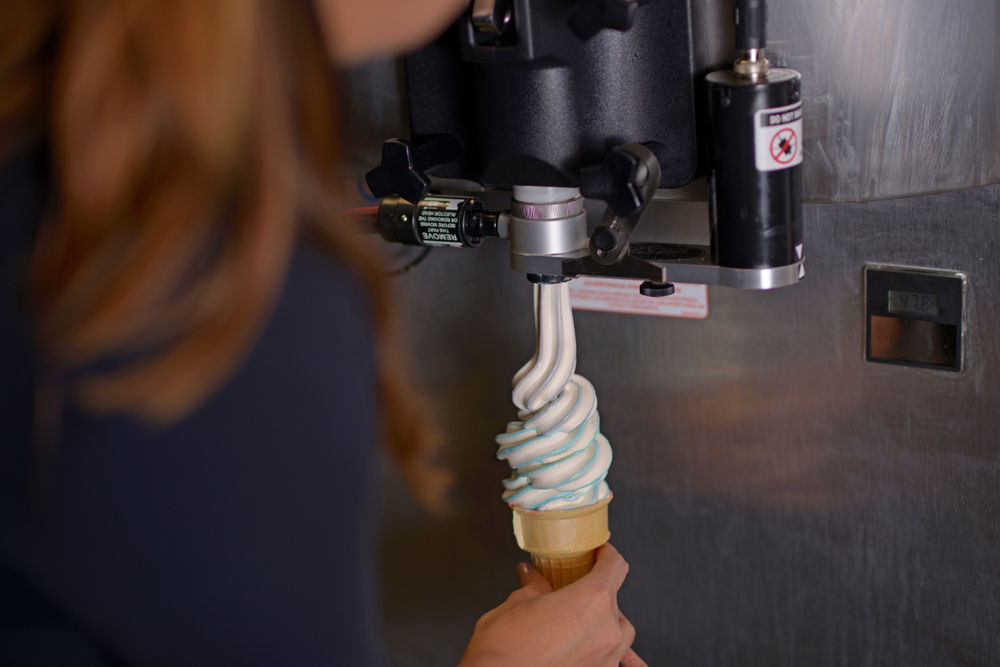
Looking for a soft serve machine? Browse TFI Canada's selection of commercial Taylor and Icetro soft serve equipment today.
The 10 Best Ice Cream and Soft Serve Flavours in Canada (Ranked)
1. Chocolate
Best for: all-ages menus where proven, high-frequency demand and broad demographic reach are the priority

Popularity in Canada: Chocolate ranks as the single most popular ice cream flavour among Canadians, chosen by 13% of respondents in a 2022 Narrative Research survey of 1,239 adults, placing it ahead of vanilla (11%) and every other flavour tested.
Flavour profile: Chocolate soft serve delivers a rich, deep cocoa flavour balanced by sweetness from sugar and dairy fat, with a smooth, slightly bittersweet finish that depends on cocoa percentage. The aroma is unmistakably chocolatey, which drives impulse purchases at point of sale. At soft-serve serving temperature, the dairy base rounds out any bitterness, producing a crowd-pleasing flavour accessible to children and adults alike.
Soft serve suitability: Chocolate performs exceptionally well in soft-serve format; the higher overrun (air incorporation) during freezing gives it a light, velvety mouthfeel, it holds its swirl shape cleanly, and it pairs with virtually any mix-in or topping without flavour conflict, making it ideal for both standalone cones and built sundaes.
Key selling points for operators:
Chocolate is the #1 flavour choice among Canadian consumers (Narrative Research, 2022), giving operators a no-risk core SKU with proven, consistent demand across all dayparts and demographics.
It anchors high-margin upsell builds: chocolate-fudge drizzle, crushed Oreo, caramel sauce, and brownie bites all complement chocolate soft serve and increase average transaction value.
It is suitable for many vegetarian customers and, when sourced as a dairy-based mix, carries a straightforward allergen profile, making labelling and staff training straightforward.
Operator considerations:
Allergens: Dairy (milk); may contain soy depending on mix brand; cocoa-based mixes are typically gluten-free but cross-contact protocols should be confirmed with the specific supplier
Seasonal demand: High year-round; peaks in summer drive-thru and walk-in traffic, but winter dipped-cone promotions and hot-fudge sundae LTOs sustain sales through shoulder seasons
Topping pairings: Hot fudge or caramel sauce, crushed Oreo or brownie pieces, rainbow sprinkles, whipped cream
2. Vanilla

Best for: all-ages menus where broad appeal, high sell-through, and maximum topping upsell are the priority
Popularity in Canada: Vanilla ranked as Canada's top-selling ice cream flavour by retail dollar sales according to AC Nielsen data cited by Chapman's, Canada's largest domestic ice cream producer, and a 2022 Narrative Research survey of 1,239 Canadians placed it second only to chocolate (11% vs. 13%), confirming its position as the country's most commercially dominant flavour.
Flavour profile: Vanilla delivers a clean, sweet, creamy base with warm floral notes from vanilla bean or extract, finishing without bitterness or competing aromatics. The neutral character reads as comfort and familiarity to Canadian consumers across all age groups. Texture is smooth and rich, with a milky sweetness that does not fatigue the palate across multiple servings.
Soft serve suitability: Vanilla performs exceptionally as a soft serve format, holding a silky, aerated mouthfeel at soft-serve temperatures, accepting virtually any mix-in or flavour swirl without flavour clash, and producing a visually appealing cone that photographs well for social content.
Key selling points for operators:
Vanilla is the single highest-volume flavour at retail and across QSR channels in Canada, delivering consistent demand year-round with no seasonal risk, and the neutral base minimises mix waste when flavour rotation is needed.
The flavour acts as a universal upsell platform: hot fudge, caramel sauce, fresh fruit compotes, and waffle cone upgrades all pair cleanly, making it the easiest menu anchor for a high-ticket sundae or premium cone build.
Standard vanilla soft serve mix contains no nuts or gluten-containing ingredients, keeping the allergen profile limited to dairy (and egg in some mixes), which simplifies staff training and broadens the addressable customer base including those avoiding tree nuts.
Operator considerations:
Allergens: Dairy (milk); egg in some commercial mixes; naturally free of gluten, peanuts, and tree nuts in standard formulations (cross-contact risk applies if toppings bar is shared)
Seasonal demand: High year-round; peaks June through August but TFI Canada notes soft serve is increasingly run as a year-round premium product with winter LTO cones and dipped formats sustaining off-season volume
Topping pairings: Hot fudge sauce, salted caramel drizzle, fresh strawberry compote, rainbow sprinkles
3. Cookies and Cream
Best for: all-ages menus where nostalgia, textural contrast, and recognisable branding drive consistent impulse purchases
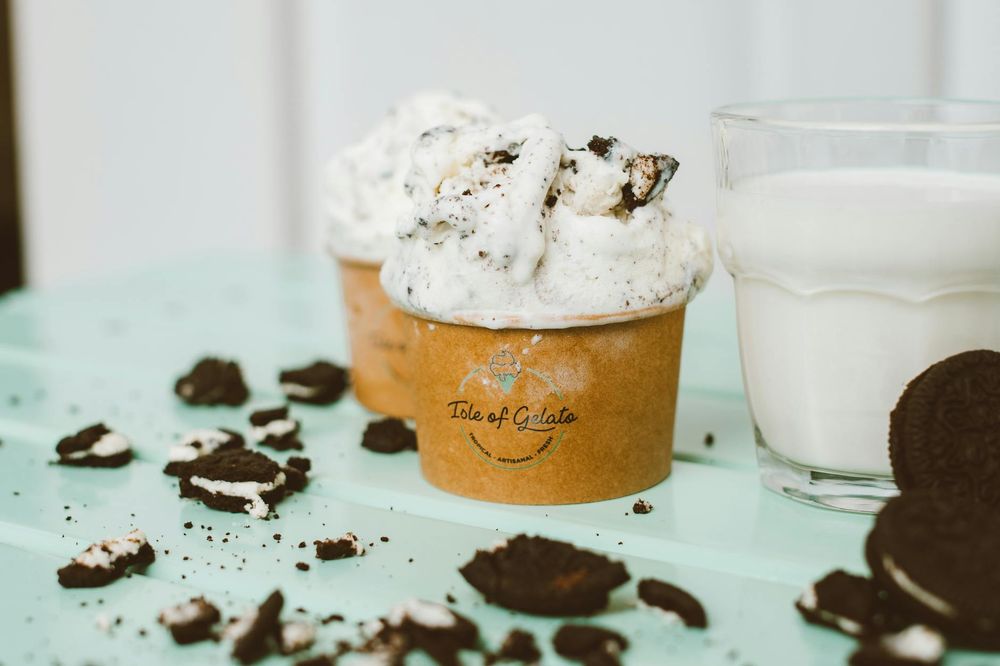
Popularity in Canada: A 2022 Narrative Research survey of 1,239 Canadian adults placed cookies and cream at 7% preference share, tying with cookie dough for sixth overall among all flavours and ranking it among the top eight most preferred ice cream flavours in Canada; TFI Canada also lists it as the number-two recommended soft serve flavour for Canadian QSRs, behind only the vanilla and chocolate classics.
Flavour profile: Cookies and cream delivers a sweet vanilla-dairy base layered with bold chocolate notes from crushed chocolate sandwich cookies, creating a flavour profile that reads as both familiar and indulgent. The interplay of smooth cream and bittered cocoa wafer gives it a satisfying complexity beyond a straight vanilla or chocolate offering. Aroma is dominated by fresh cream with a background of baked cocoa, which reads as comforting and dessert-forward to Canadian consumers.
Soft serve suitability: Cookies and cream translates exceptionally well to soft serve format because the airy, lower-fat base (typically 3 to 6% milk fat) keeps the flavour light while cookie crumble mix-ins provide textural contrast that masks any loss of richness; the neutral vanilla base also supports swirl presentation with chocolate soft serve without flavour clash.
Key selling points for operators:
Cookies and cream is a proven high-demand, year-round performer with built-in consumer recognition that reduces menu explanation time and supports consistent sell-through across all dayparts.
The flavour pairs readily with hot fudge drizzle, whipped cream, and extra cookie crumble toppings, creating a natural upsell pathway that can lift average transaction value by adding $0.75 to $1.50 per serve.
The flavour's broad cross-demographic appeal, particularly its strong pull among children and teens identified in Canadian survey data, makes it a reliable anchor for family-oriented QSR menus without requiring seasonal reformulation.
Operator considerations:
Allergens: Dairy, wheat (from chocolate sandwich cookie pieces), and soy; potential cross-contact with peanuts depending on production facility of the cookie inclusion used; operators should verify allergen documentation with their specific mix supplier.
Seasonal demand: High year-round, with a moderate uplift in summer; the recognisable cookie inclusion format also performs well as a limited-time McFlurry-style build, which can be promoted in Q3 to capture peak foot traffic.
Topping pairings: Hot fudge sauce, extra crushed chocolate sandwich cookies, whipped cream, and chocolate sprinkles.
4. Salted Caramel
Best for: QSRs and dessert counters targeting customers who want an indulgent, premium-feeling treat without straying far from familiar flavours

Popularity in Canada: Salted caramel has established strong consumer demand in Canada, anchored by Chapman's Salty Caramel Crunch winning Best Caramel Ice Cream at the 2024 International Ice Cream Consortium in Italy, with the product ranking among Chapman's best sellers since its 2023 launch; TFI Canada lists it among the top soft serve flavours recommended for Canadian QSRs, and McDonald's Canada features a Salted Caramel McFlurry on its permanent dessert menu.
Flavour profile: Salted caramel delivers a layered sweet-salty contrast built on a buttery, slightly smoky caramel base with a finish of sea salt that sharpens and amplifies the overall sweetness. Darker caramel notes introduce nutty, roasted, and faintly fruity undertones that distinguish it from plain caramel. The aroma is rich and warm, with salt enhancing the release of volatile caramel compounds for a more intense perceived fragrance.
Soft serve suitability: Salted caramel performs well in soft serve format, producing a smooth, dense mouthfeel driven by the high sugar and fat content typical of caramel-based mixes; it swirls cleanly with vanilla for a classic twist presentation and pairs readily with stripe syrups, toffee crunch, and flake toppings dispensed at point of service.
Key selling points for operators:
Salted caramel commands a premium price point and supports the 70-80% gross profit margins typical of soft serve programs, while its broad sweet-salty appeal sustains demand well beyond seasonal peaks.
The flavour unlocks strong upsell opportunities: pretzel pieces, toffee bits, caramel drizzle, and fleur de sel are natural add-ons that increase average ticket without adding operational complexity.
Positioned as an indulgent-but-familiar choice, salted caramel satisfies consumers drawn to the ongoing sweet-salty trend and fits naturally into LTO rotations or year-round core menus without requiring a dramatic shift in ingredient procurement.
Operator considerations:
Allergens: Dairy (milk); some commercial soft serve mixes also contain soy derivatives (sodium caseinate from milk, soybean oil); confirm with your specific mix supplier
Seasonal demand: Strong year-round; the warm, rich flavour profile appeals in cooler months as well as summer, supporting consistent throughput outside peak ice cream season
Topping pairings: Toffee crumble, coarse sea salt or fleur de sel, caramel drizzle, pretzel bits
5. Strawberry

Best for: family-friendly menus where a familiar fruit flavour complements chocolate and vanilla anchors during spring and summer peak seasons
Popularity in Canada: A 2022 Narrative Research survey of 1,239 Canadians found that 5% of respondents named strawberry as their favourite ice cream flavour, placing it in the top ten overall; it performs best as a complement to vanilla and chocolate on core menus rather than as a standalone draw.
Flavour profile: Strawberry ice cream delivers a sweet, lightly tart fruit note with floral aromatic characteristics drawn from ripe berry compounds. In soft serve format, the flavour reads as brighter and fresher than hard-pack equivalents because lower overrun keeps the fruit character from being muted by excessive air. Quality mixes balance natural strawberry brightness against the cream base so the finish is clean rather than artificially candy-sweet.
Soft serve suitability: Strawberry soft serve has a smooth, moderately dense mouthfeel that holds swirl definition well; it pairs cleanly in a twist with vanilla, and the light pink colour provides strong visual contrast that photographs well for social media.
Key selling points for operators:
Strawberry is an established top-ten flavour in Canada that generates predictable demand as part of a three-flavour core lineup (vanilla, chocolate, strawberry), reducing menu risk while broadening appeal to customers who want a fruit option.
The pink colour and fruit identity make strawberry a natural fit for seasonal LTOs tied to spring launches or summer berry season, and it upsells easily into sundaes and shakes with fresh fruit compote or whipped topping at a margin-positive add-on price.
Standard dairy-based strawberry soft serve mix contains no gluten, nuts, or eggs, keeping the allergen profile to dairy only, which simplifies staff training and broadens suitability for guests with common non-dairy allergies.
Operator considerations:
Allergens: Dairy (milk); standard mixes are gluten-free and nut-free, though operators should confirm with their specific mix supplier
Seasonal demand: Peaks in summer (May through August); can be maintained year-round as a core trio item alongside vanilla and chocolate with lower volume expectations in winter months
Topping pairings: Fresh or macerated strawberry compote, graham cracker crumble, whipped cream, white chocolate drizzle
6. Matcha Green Tea
Best for: urban QSRs, bubble tea shops, and Asian-inspired dessert counters targeting health-conscious millennials and Gen Z customers who connect flavour to wellness and shareability
Popularity in Canada: Matcha has moved from specialty cafes into mainstream Canadian foodservice, with menu mentions of matcha on North American foodservice menus up 30.22% year-over-year according to Tastewise's 2026 matcha trend report; TFI Canada ranks matcha green tea fourth among its top soft serve flavours for Canadian QSRs, and Canadian consumers in major urban centres are driving steady growth linked to wellness positioning and social media visibility.
Flavour profile: Matcha green tea delivers a layered profile of earthy umami, mild bitterness, and subtle vegetal sweetness that balances cleanly against a rich dairy base. The aroma is fresh and grassy, a direct result of the catechins and amino acids in the powder, and it softens into a warm, creamy finish at dessert temperatures. Unlike most novelty flavours, the intensity is adjustable through powder concentration, allowing operators to calibrate from a gentle green-tea hint to a pronounced ceremonial-grade matcha punch.
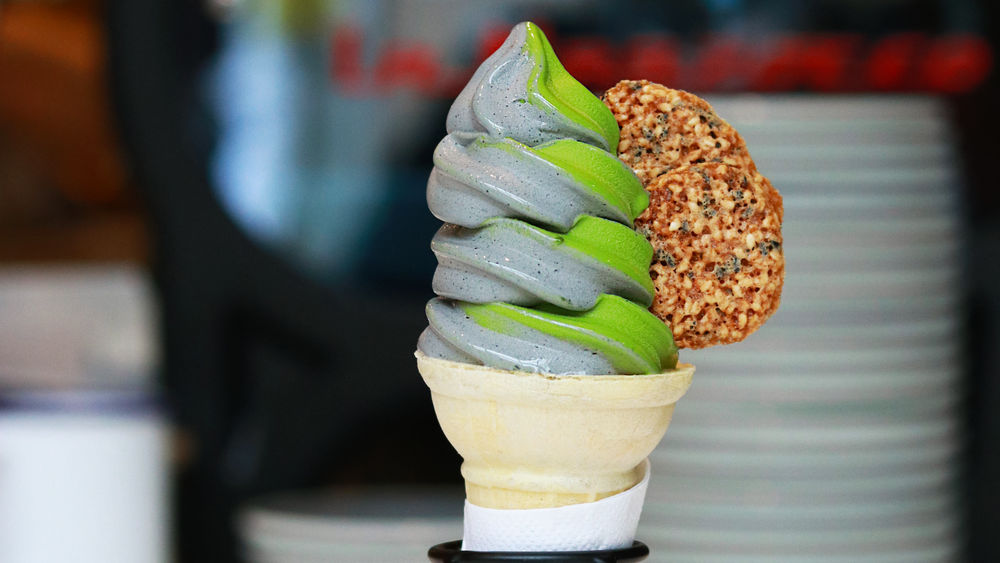
Soft serve suitability: Matcha disperses evenly in standard soft serve mix bases, produces a smooth and velvety mouthfeel at serving temperature, and its naturally vibrant green colour delivers strong visual appeal; it swirls cleanly with vanilla for a two-tone presentation and holds its colour well under heat lamps and display lighting.
Key selling points for operators:
Matcha commands a premium perceived value that supports higher menu pricing, and its association with wellness and natural ingredients drives repeat purchase among health-focused millennial and Gen Z consumers who make up a growing share of Canadian QSR traffic.
The bright green colour is highly photogenic and consistently drives organic social media sharing, functioning as low-cost marketing every time a customer posts; it pairs with toppings such as mochi bites, black sesame drizzle, red bean paste, and condensed milk for upsell combos that increase average ticket.
Matcha is naturally gluten-free and positions well as a better-for-you alternative to chocolate or caramel-based flavours, with plant-based soft serve mixes available to extend appeal to dairy-free and vegan customers.
Operator considerations:
Allergens: Dairy (milk) in standard soft serve base; matcha powder itself is allergen-free; verify soy content with your specific mix supplier as some commercial bases include soy derivatives
Seasonal demand: Trending year-round with a summer peak; strongest in urban markets and locations near universities or areas with high South and East Asian Canadian populations; social media spikes (e.g. matcha season content) can drive short-term demand surges
Topping pairings: Mochi bites, sweetened red bean, black sesame sauce, condensed milk drizzle
7. Mango
Best for: multicultural urban markets and summer-focused menus where tropical, fruit-forward options broaden appeal beyond classic flavours
Popularity in Canada: Mango is a well-established flavour in the Canadian retail ice cream market, with both Chapman's and Island Farms listing mango as a core year-round SKU; its standing reflects strong demand from Canada's large South Asian, Southeast Asian, and Caribbean communities, and viral TikTok content around mango ice cream drove consumer search and retail sell-through in Toronto and Vancouver through 2023 and into 2024.
Flavour profile: Mango delivers a vibrant, sweet-tropical character with honeyed notes of peach and floral vanilla, finishing bright and refreshing without heaviness. The aroma is fragrant and unmistakably tropical, which carries strong sensory recognition for consumers familiar with South and Southeast Asian culinary traditions. Texture in a dairy-based formulation is smooth and rich, while sorbet or non-dairy versions produce a lighter, icier mouthfeel with sharper fruit intensity.
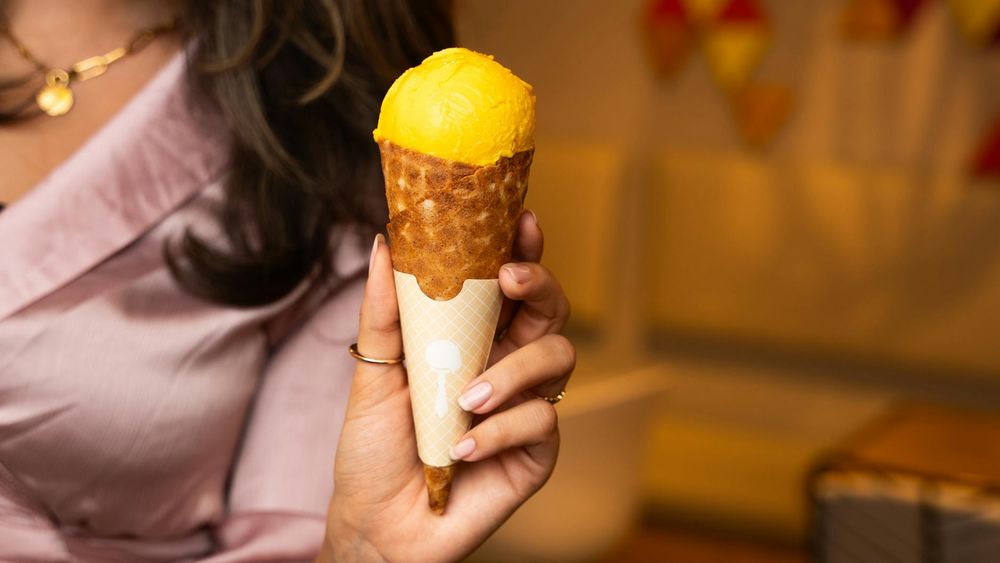
Soft serve suitability: Mango performs well in soft serve format, producing a visually striking golden-yellow cone with a silky, aerated texture that melts cleanly; the bold fruit flavour holds up at soft-serve temperatures without flattening, and the colour provides strong visual appeal for social media content and impulse purchase.
Key selling points for operators:
Mango is one of the few fruit flavours with documented Canadian retail sales presence at both major domestic producers (Chapman's and Island Farms), confirming proven consumer demand that translates to QSR menu pull, particularly in cities with large multicultural populations such as Toronto, Vancouver, Calgary, and Edmonton.
The flavour pairs naturally with high-margin toppings including fresh mango cubes, Tajin chili-lime seasoning, chamoy drizzle, and toasted coconut, enabling a premium tropical build at $6-$9 that drives ticket size above a plain cone.
Commercial mango soft serve mixes, including Dole Soft Serve Mango (distributed in Canada by Fun Foods Canada), are dairy-free and naturally fat-free, making mango soft serve one of the few flavours that can serve dairy-free and vegan customers from a standard soft serve machine without a dedicated non-dairy line.
Operator considerations:
Allergens: Standard dairy-based mango soft serve mix contains milk; Dole-style dry mango soft serve mix is dairy-free, gluten-free, and nut-free, making it suitable for guests avoiding dairy, gluten, and tree nuts (cross-contact risk applies at shared toppings bars)
Seasonal demand: Peaks strongly in summer (June through August) aligned with warm-weather tropical cravings; can be positioned as an LTO in spring and summer to drive seasonal traffic without committing to year-round machine space
Topping pairings: Fresh mango cubes, Tajin chili-lime powder, toasted coconut flakes, chamoy sauce
8. Chocolate Chip Cookie Dough
Best for: nostalgia-driven menus targeting millennials, families, and younger consumers who want an indulgent, textured frozen dessert experience

Popularity in Canada: Chocolate chip cookie dough ranked as the number-one favourite ice cream flavour among Canadians in a June 2023 survey of 1,000 Canadian residents, topping the charts in five provinces including Ontario, Alberta, and Manitoba, and Ben and Jerry's Chocolate Chip Cookie Dough remains one of the brand's all-time best-selling SKUs at Canadian retailers.
Flavour profile: Chocolate chip cookie dough delivers a sweet, buttery vanilla base layered with chewy, brown-sugar-forward dough pieces and semi-sweet chocolate chips, creating a rich, indulgent profile with warm bakery undertones. The dough inclusions add a dense, slightly salty contrast to the creamy base that keeps each bite interesting. Aroma is warm and dessert-forward, evoking freshly baked cookies, which plays strongly into nostalgia and comfort positioning.
Soft serve suitability: Cookie dough performs well as a soft-serve format when the base is a vanilla or brown-sugar soft serve mix with dough pieces folded in or layered as a mix-in at the point of service; the aerated mouthfeel of soft serve lightens the richness of the dough inclusions, and the contrast between smooth swirl and chewy chunks creates strong textural appeal that encourages repeat orders.
Key selling points for operators:
Cookie dough is Canada's single most-popular named ice cream flavour by consumer survey, giving QSR operators a high-confidence, high-demand SKU that drives consistent ticket volume with minimal menu risk.
The flavour supports strong upsell potential: hot fudge drizzle, caramel sauce, and whipped cream pairings all complement the brown-sugar base, and cookie dough can anchor a premium blizzard-style or McFlurry-style LTO build with minimal additional ingredients.
The bakery-dessert crossover positioning (cookie plus ice cream) taps into the indulgence and comfort-food trend driving premium frozen dessert growth in Canada in 2024 and 2025, with Dairy Queen's cookie dough Blizzard variants demonstrating sustained QSR demand for the format.
Operator considerations:
Allergens: Dairy (milk), wheat (gluten), egg (present in most cookie dough inclusions); soy is common in chocolate chips; tree nuts possible depending on supplier; not suitable for gluten-free or egg-free diets without reformulation
Seasonal demand: Peaks in summer (June through August) but maintains strong year-round baseline as a comfort flavour; well-suited to fall and winter LTO positioning given its warm, bakery-dessert associations
Topping pairings: Hot fudge sauce, salted caramel drizzle, whipped cream, crumbled brownie pieces
9. Ube

Best for: Filipino-influenced menus, urban dessert shops, and operators looking to capture Gen Z and culturally curious customers with a visually striking limited-time offering
Popularity in Canada: Ube has moved well beyond niche Filipino bakeries into mainstream Canadian dessert culture, with soft serve spots in Toronto (iHalo Krunch, Oishiii Sweets) and Edmonton (Pablo) actively featuring ube soft serve, while Vancouver's growing Filipino dessert scene adds further market momentum; globally, Datassential projects ube will outperform 88% of all foods and beverages through 2027, and Monin's 2024 research found 67% of consumers said they were likely to purchase an ube-flavoured beverage or dessert.
Flavour profile: Ube (purple yam, Dioscorea alata) delivers a subtly sweet, earthy, and mildly nutty flavour with a faint vanilla-like undertone that reads as comforting rather than exotic. The natural purple pigment from anthocyanins gives it an arrestingly vivid violet colour that performs exceptionally well on visual platforms. Texture in ice cream and soft serve form is smooth and creamy, with the yam base lending a slightly denser body than standard vanilla.
Soft serve suitability: Ube performs very well at soft-serve temperature, holding its vivid colour and creamy consistency through the machine without muddying or icing; it swirls cleanly solo or paired with coconut or vanilla for a two-tone presentation, and commercially available soft serve mixes (such as those from Angel Specialty Products and TOP Creamery) make it straightforward to add to existing equipment lineups.
Key selling points for operators:
Ube's viral social media presence (TikTok and Instagram) drives organic foot traffic and user-generated content, turning every cone into a marketing asset with minimal spend.
The flavour pairs naturally with high-margin toppings including toasted coconut flakes, mochi pieces, macapuno (coconut sport), fresh mango, and condensed milk drizzle, creating strong upsell opportunities.
Ube can be positioned as both a culturally authentic offering for Canada's large Filipino-Canadian community and as a trend-forward novelty for adventurous mainstream consumers, giving operators broad demographic reach from a single SKU.
Operator considerations:
Allergens: Dairy (in standard soft serve mix); ube itself is a yam and is gluten-free and nut-free, making dairy-free or vegan versions straightforward with coconut milk-based mixes; confirm each mix supplier's facility allergen statements
Seasonal demand: Trending year-round with peak summer pull; strong LTO potential for Filipino heritage events (e.g. Asian Heritage Month in May) and Valentine's Day due to the colour
Topping pairings: Toasted coconut flakes, mochi pieces, fresh or dried mango, condensed milk drizzle, macapuno strips
10. Boba Tea
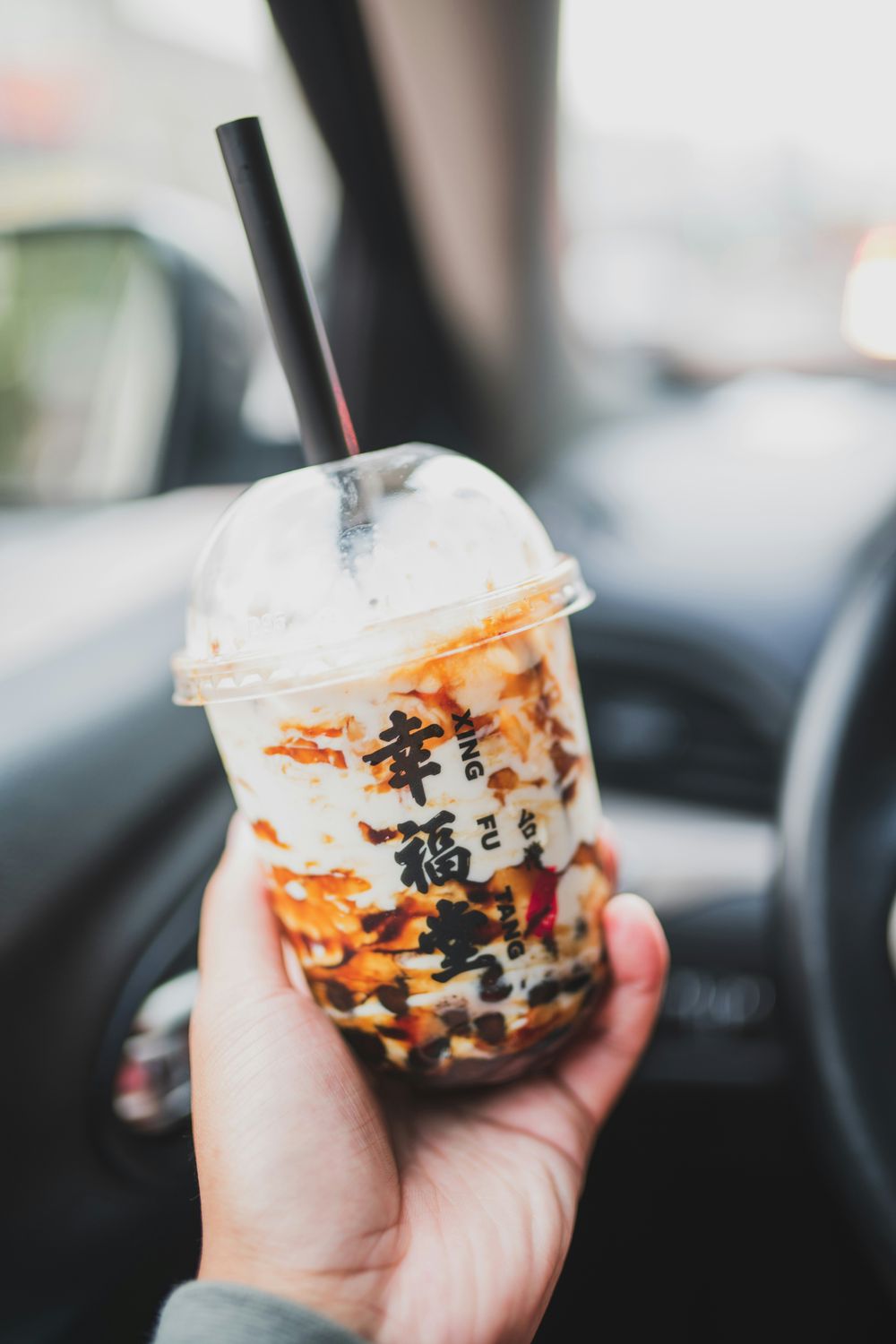
Best for: younger-skewing menus in urban Canadian markets where bubble-tea culture is established and operators want a visually striking, high-margin novelty cone or cup
Popularity in Canada: Canada's bubble tea market is projected to reach USD 192 million by 2033 (Allied Market Research), fuelled by Gen Z and millennial consumers in Toronto, Vancouver, and Montreal; boba-flavoured soft serve has moved from novelty to a recognisable QSR format following launches by Xing Fu Tang at multiple Canadian locations and TFI Canada identifying boba tea as an emerging soft serve flavour gaining traction with QSRs looking to stand out.
Flavour profile: Boba tea soft serve delivers a sweet, milky, lightly roasted black-tea base with earthy undertones and a gentle caramel warmth from brown sugar syrup, creating a flavour that reads like a frozen milk tea rather than a conventional dairy dessert. The aroma is subtly tea-forward with a sweetened condensed milk richness that makes it approachable for first-time tasters. Chewy tapioca pearls added as a topping or mix-in provide a bouncy, mochi-like textural contrast that is a defining part of the eating experience.
Soft serve suitability: Boba tea soft serve performs well in the format because the milk tea base is naturally dairy-compatible, producing a smooth, aerated mouthfeel at soft-serve temperatures, and the flavour holds up cleanly in a swirl with original or vanilla without becoming muddy; tapioca pearls and popping boba integrate easily as standardised toppings rather than mix-ins, keeping machine operations simple.
Key selling points for operators:
The bubble tea category's strong year-on-year growth in Canada (projected 6.81% CAGR through 2032 per Fortune Business Insights) creates a built-in demand signal operators can leverage, and the novelty positioning supports premium price points of $1-2 above standard soft serve SKUs without significant consumer resistance.
Brown sugar boba pearls, taro drizzle, popping boba, and a waffle cup upgrade all present as natural high-margin add-ons, and the Instagrammable visual of swirled soft serve layered with glossy pearls drives social sharing that functions as free in-market advertising.
The flavour strongly indexes with Gen Z and millennial Canadians and carries a pan-Asian cultural resonance that resonates in diverse urban markets; positioning it as a limited-time or seasonal summer feature creates urgency and repeat-visit behaviour.
Operator considerations:
Allergens: Dairy (milk) in the soft serve base; tapioca pearls are gluten-free and nut-free but may contain sulphites depending on the supplier; some commercial boba mixes may contain soy; operators should verify ingredient declarations with their specific mix and pearl supplier
Seasonal demand: Peaks summer (June through August) aligned with both soft serve and bubble tea high seasons; can be extended year-round as a warm-climate LTO or paired with hot bubble tea menu items during cooler months to maintain brand presence
Topping pairings: Brown sugar tapioca pearls, taro sauce drizzle, popping boba (lychee or mango), grass jelly
How These 10 Flavours Compare at a Glance
The table below summarises the key operator decision points across all 10 ice cream and soft serve flavours for the Canadian market, covering popularity rank, soft serve suitability, allergen profile, and seasonal demand.
Flavour | Popularity Rank (Canada) | Soft Serve Suitability | Key Allergens | Seasonal Demand |
|---|---|---|---|---|
Chocolate | #1 consumer survey | Excellent | Dairy, egg (some mixes) | Year-round; peaks summer |
Vanilla | #2 consumer survey; #1 retail dollar sales | Excellent | Dairy, soy (some mixes) | Year-round; peaks summer |
Cookies and Cream | #6 (tied) consumer survey | Excellent | Dairy, wheat, soy | Year-round; peaks summer |
Salted Caramel | Top seller (Chapman's); QSR menu staple | Very good | Dairy, soy (some mixes) | Year-round |
Strawberry | Top 10 consumer survey (5%) | Very good | Dairy | Summer peak (May to August) |
Matcha Green Tea | Trending; top 4 QSR soft serve | Excellent | Dairy, soy (some mixes) | Year-round; urban peak |
Mango | Retail staple (Chapman's, Island Farms) | Good | Dairy or dairy-free (mix dependent) | Summer peak (June to August) |
Chocolate Chip Cookie Dough | #1 by 2023 consumer survey | Good (mix-in format) | Dairy, wheat, egg, soy | Year-round; peaks summer |
Ube | Emerging; mainstream urban presence | Very good | Dairy (or dairy-free with coconut base) | Year-round; Asian Heritage Month LTO |
Boba Tea | Emerging; strong Gen Z/millennial pull | Very good | Dairy, soy, sulphites (pearls) | Summer peak; urban year-round |
What About Classic Canadian Flavours Like Maple Walnut and Moon Mist?
Two flavours stand out as distinctly Canadian ice cream flavours that deserve a separate note, even though neither cracked the top-10 soft serve rankings for national QSR operators.
Maple walnut ranked in the top five Canadian ice cream preferences in the 2022 Narrative Research survey, sitting just behind chocolate, vanilla, mint chocolate chip, and cookies and cream. The flavour is rooted in Canadian culinary identity: pure maple syrup from Quebec and Ontario gives the base its characteristic amber sweetness, while walnut pieces add a bitter, earthy contrast that cuts the sugar and adds textural interest. For operators in regions where maple identity resonates strongly, such as Quebec, Ontario, and parts of the Maritimes, maple walnut is a credible seasonal or regional core menu item. It carries a higher allergen risk than most flavours on this list due to the tree nut content, so staff training and menu labelling require extra care.
Moon Mist is a Maritime Canadian original that is almost entirely unknown outside Atlantic Canada and parts of Ontario. The flavour is a tri-colour blend of grape, banana, and bubblegum, typically presented as a swirled or layered scoop with distinct pastel purple, yellow, and pink sections. It was created and popularised in the Maritimes and remains a strong regional seller at Nova Scotia and New Brunswick operators, where it carries the same nostalgia-and-identity pull that root beer floats carry in parts of the US Midwest. For soft serve operators in Atlantic Canada specifically, Moon Mist is a viable LTO or seasonal add that signals local knowledge and drives regional loyalty.
Neither flavour has the national soft serve mix distribution infrastructure or consistent QSR menu penetration to qualify for this top-10 list. Both are worth evaluating for operators in the right regional context.
How to Choose the Right Soft Serve Flavours for Your Menu
Selecting the right soft serve flavours is an operational decision as much as a marketing one. The wrong flavour ties up machine capacity, generates mix waste, and fails to move product. The right one drives consistent ticket volume, supports upsell builds, and keeps customers returning. Here is how to structure the decision.
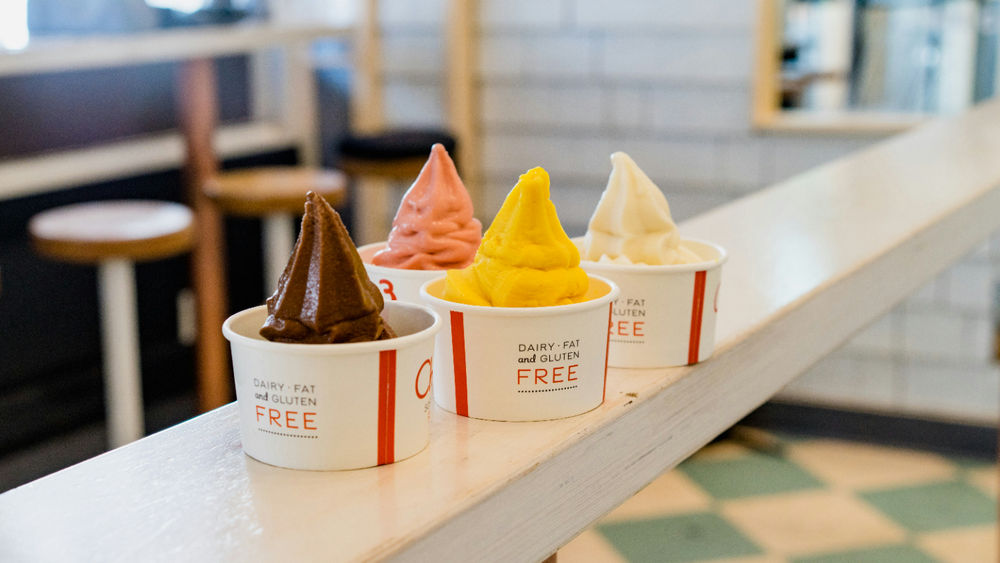
Match flavour to customer demographics. Vanilla and chocolate are universal anchors that perform across all age groups, income brackets, and regions. Cookie dough and cookies and cream skew younger and family-oriented. Matcha, ube, and boba tea index strongly with millennials and Gen Z in urban and multicultural markets. Salted caramel sits in the middle: premium enough to justify a higher price point, familiar enough that it does not require consumer education. If your location is in a densely multicultural urban area, the case for mango, ube, or boba is significantly stronger than it would be at a rural highway stop.
Consider equipment and mix sourcing before committing. Not every flavour is available from every distributor in every region of Canada. Before adding matcha or ube to your menu, confirm that your preferred mix supplier stocks it and that your machine is calibrated for the viscosity of that mix. Flavours with inclusions (cookie dough, cookies and cream) require either a separate mix-in station or a soft serve machine capable of handling particulates without jamming the draw valve. Vanilla and chocolate are universally stocked and machine-agnostic. Mango in Dole dry-mix format is dairy-free and compatible with any standard machine, making it one of the easiest non-dairy additions to an existing two-flavour lineup.
Plan seasonal vs. year-round placements deliberately. Chocolate and vanilla run year-round without seasonal attrition. Strawberry and mango are summer-peak flavours that benefit from LTO positioning in spring and summer rather than permanent menu placement. Salted caramel and cookie dough maintain strong off-season baseline demand and work as year-round core items. Matcha, ube, and boba tea are trend-driven flavours best introduced as LTOs to test demand in your specific market before committing to permanent machine space. Canada's bubble tea market is projected to grow at 6.81% CAGR through 2032, confirming the underlying consumer pull, but the distribution of that demand is heavily urban and skewed to younger demographics. A phased approach, starting with two core flavours and rotating one LTO per quarter, gives operators maximum flexibility without overextending mix inventory. See the broader picture of dessert trends in Canada to understand where frozen indulgence is headed.
Use allergen profiles to manage operational risk. Vanilla and strawberry carry the cleanest allergen profiles (dairy only in standard formulations), making them the safest default choices where staff training bandwidth is limited. Cookie dough and cookies and cream carry wheat, egg, and soy in addition to dairy, which requires clear menu labelling and cross-contact protocols at the toppings bar. Mango in dairy-free Dole format opens a vegan-friendly offering without requiring a second machine, which is a meaningful operational advantage for operators who want to serve dairy-avoiding customers without capital investment.
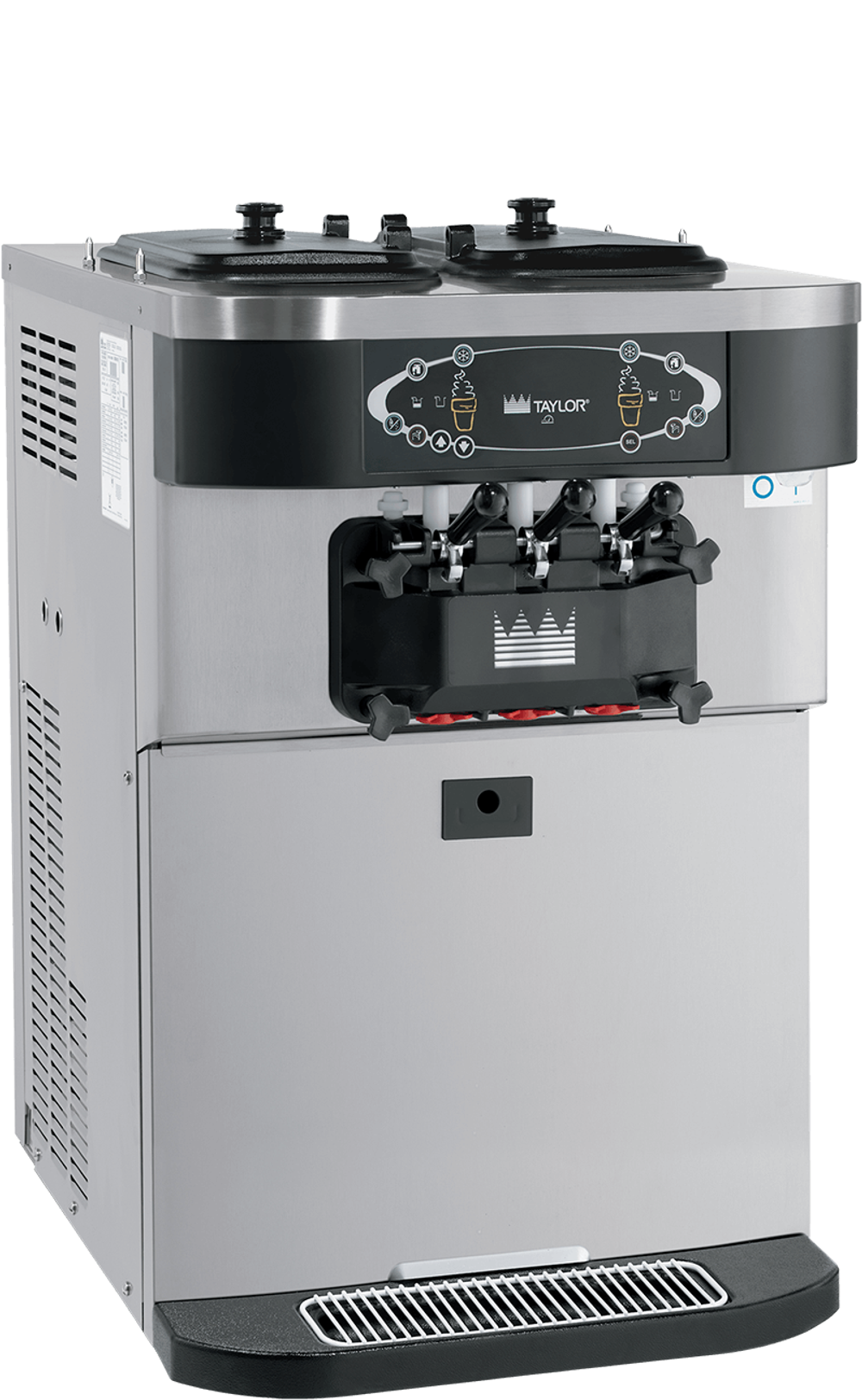
Looking for a soft serve machine? Browse TFI Canada's selection of commercial Taylor and Icetro soft serve equipment.
Frequently Asked Questions About Ice Cream Flavours in Canada
What is Canada's favourite ice cream flavour?
Chocolate is Canada's favourite ice cream flavour by consumer preference, named by 13% of respondents in a 2022 Narrative Research survey of 1,239 Canadian adults. Vanilla follows at 11% and holds the top position in retail dollar sales according to AC Nielsen data cited by Chapman's. Both flavours consistently rank as the two most commercially dominant options across retail and QSR channels in Canada.
What soft serve flavours sell best in Canada?
Vanilla and chocolate are the top-selling soft serve flavours across Canadian QSRs, driven by their universal consumer appeal and year-round demand. Beyond the classics, cookies and cream, salted caramel, and matcha are the strongest performers based on QSR menu penetration and operator demand data. TFI Canada's soft serve flavour rankings for Canadian operators list all five as recommended core or near-core SKUs, with matcha emerging as the lead non-classic option in urban markets.
What is the difference between soft serve and regular ice cream?
Soft serve contains 3 to 6% milk fat versus 10% or more in hard-pack ice cream, is served at a warmer temperature (approximately -4 to -6 degrees Celsius), and incorporates more air during dispensing, producing a lighter, airier texture. This affects flavour intensity and mouthfeel in practical ways: flavours that taste bold and rich in hard-pack form can read as muted in soft serve format if the mix is not formulated for the higher air overrun. Operators selecting mixes should look for formulations specifically designed for soft serve dispensing temperatures rather than adapting retail ice cream recipes.
Are there ice cream flavours that are unique to Canada?
Yes. Moon Mist, a tri-colour blend of grape, banana, and bubblegum, is a Maritime Canadian original found almost exclusively in Atlantic Canada and parts of Ontario, with virtually no equivalent in US or international markets. Maple walnut is also a distinctly Canadian staple, ranking in the top five Canadian flavour preferences in Narrative Research's 2022 survey, driven by the country's deep cultural connection to pure maple syrup from Quebec and Ontario producers.
Which Chapman's ice cream flavours are most popular in Canada?
Chapman's best-selling flavours include vanilla and chocolate, which align with the broader Canadian consumer preference data, as well as their award-winning Salty Caramel Crunch, which won Best Caramel Ice Cream at the 2024 International Ice Cream Consortium in Italy. As Canada's largest domestic ice cream producer, Chapman's flavour rankings are a reliable indicator of broader Canadian consumer preference, and the brand's AC Nielsen retail sales data provides some of the most concrete evidence available for vanilla's commercial dominance in the Canadian market.
Final Thoughts: Building Your Soft Serve Flavour Program
The strongest soft serve menus in Canada share a common structure: two proven core flavours anchoring consistent daily volume, and one rotating position that captures trending demand without overcommitting machine capacity. Vanilla and chocolate remain the non-negotiable core for virtually every Canadian QSR operator, with the data from Narrative Research and AC Nielsen both pointing to the same conclusion.
From there, the next move depends on your market. Urban operators with younger demographics should prioritise cookies and cream or salted caramel as the third permanent flavour, then use matcha, ube, or boba tea as seasonal LTOs to drive traffic spikes and social sharing. Operators in family-heavy suburban or rural markets will find more consistent pull from strawberry or cookie dough in that third slot. Regional operators in Atlantic Canada have a compelling case for Moon Mist as a seasonal regional anchor, while Ontario and Quebec operators can build local credibility with maple walnut as a limited-time fall or spring feature.
The allergen and sourcing considerations are not afterthoughts; they determine whether a flavour addition generates margin or generates waste. Get those right before the first bag of mix arrives. If you are still building your program from scratch, the guide to adding a frozen dessert program to your restaurant covers equipment selection, mix sourcing, and ROI benchmarks in detail.

Ready to Add a New Flavour to Your Soft Serve Menu?
If the rankings above point to a clear next step for your operation, TFI Canada can help you get there. Whether you are adding a second flavour alongside your vanilla anchor, testing matcha or ube as a summer LTO, or building out a full multi-flavour soft serve program, TFI's equipment and mix sourcing expertise covers the full implementation: machine selection, mix compatibility, dispensing configuration, and ongoing service support across the best soft serve ice cream machines Canada operators are running right now. TFI's team works with QSRs across Canada to match flavour selection to machine type, volume, and regional demand.
Contact TFI Canada to discuss flavour options, mix suppliers, and equipment that matches your volume and location requirements.

Nicole Camposeo-Cheung is the Director of Marketing, People & Culture at TFI Food Equipment Solutions, Canada’s leading provider of premium commercial foodservice equipment. She combines her expertise in business management and fashion arts to foster a dynamic, innovative, and people-centric corporate culture. Passionate about empowering teams, building strong client relationships, and driving growth through creativity and collaboration, Nicole plays a key role in shaping TFI’s brand and workplace culture. She also shares her industry expertise and insights through the TFI blog, helping foodservice professionals stay informed about the latest trends, best practices, and innovations in commercial food equipment.
Add a comment
This will be publicly visible.
Your email address will not be published.
Your comment will be reviewed by an admin before it is published.


