
QSR Trends Canada 2026: What Quick-Service Operators Need to Know
Canada's QSR sector is being reshaped by value dining pressure, fried chicken dominance, ghost kitchen growth, and smart kitchen tech. Here is the 2026 data operators need to act on.

QSR Trends Canada 2026: What Quick-Service Operators Need to Know
Canada's QSR landscape is changing faster than it has in a decade. After two years of traffic softness driven by cost-of-living pressure, operators entering 2026 are not simply waiting for consumer confidence to recover. They are rebuilding how their kitchens work, what they put on the menu, and how orders reach the customer. The quick-service segment still accounts for the majority of Canada's estimated 21,000-plus food service locations, employs roughly 410,000 people, and generates a market valued at over $37 billion (Mordor Intelligence, 2025). But the margin for operating the same way you did in 2023 is gone.
This guide pulls together the latest data on QSR trends in Canada for 2026, maps each trend to a concrete operator action, and shows you exactly which kitchen equipment decisions align with where the market is heading.
For the wider picture on menu-level shifts, see our Canada Food Menu Trends 2025 guide. For the consumer spending context behind these numbers, see Consumer Food Trends in Canada 2025.
Quick Answer
Canada's quick-service restaurant sector in 2026 is defined by six converging forces: value-first consumer behaviour, fried chicken and chicken sandwich growth, delivery and ghost kitchen expansion, smart kitchen technology adoption, menu simplification for throughput, and a Gen Z audience that rewards speed and loyalty programs over brand legacy. Operators who align their equipment and menu strategy to these trends now will gain ground on chains that are slower to adapt.
The Big QSR Trends in Canada for 2026
Before going deep on each trend, here is the landscape at a glance. Canada's fast food market is on a steady growth trajectory (Renub Research forecasts consistent expansion through 2030), but growth is not evenly distributed. The operators gaining share in 2026 are solving for three things simultaneously: lower price points, faster throughput, and off-premise revenue. Everyone else is fighting over the same shrinking pool of dine-in traffic.
The trends below are ranked by the share of operators they affect and the speed at which action is required.

1) Value Dining Has Become the Default Strategy
Value is not a promotional tactic in 2026. It is the table stakes for staying relevant to the Canadian consumer.
The pivot started in 2024 when lower-income consumers began pulling back on restaurant visits. By mid-2025 it had spread to middle-income households, and heading into 2026, middle-income Canadians are as price-sensitive as any other segment (Harmelin Media, January 2026). Three-quarters of Canadians report they are dining out less frequently because of cost-of-living pressures, and 65% of QSR consumers say they order more food when a value meal or promotional bundle is on offer (Business Research Insights, 2026).
The pricing battleground has tightened to the $10 to $12 range, where QSR and casual dining chains are now competing head-to-head. Taco Bell moved early on this with its Luxe Value Menu launched in January 2026, featuring 10 items at $3 or less. McDonald's extended its $2 breakfast bundle and saw measurable traffic lifts. The chains winning the value battle are not simply discounting. They are engineering menu items that read as premium but land under $12 through smarter sourcing and lower-cost proteins.
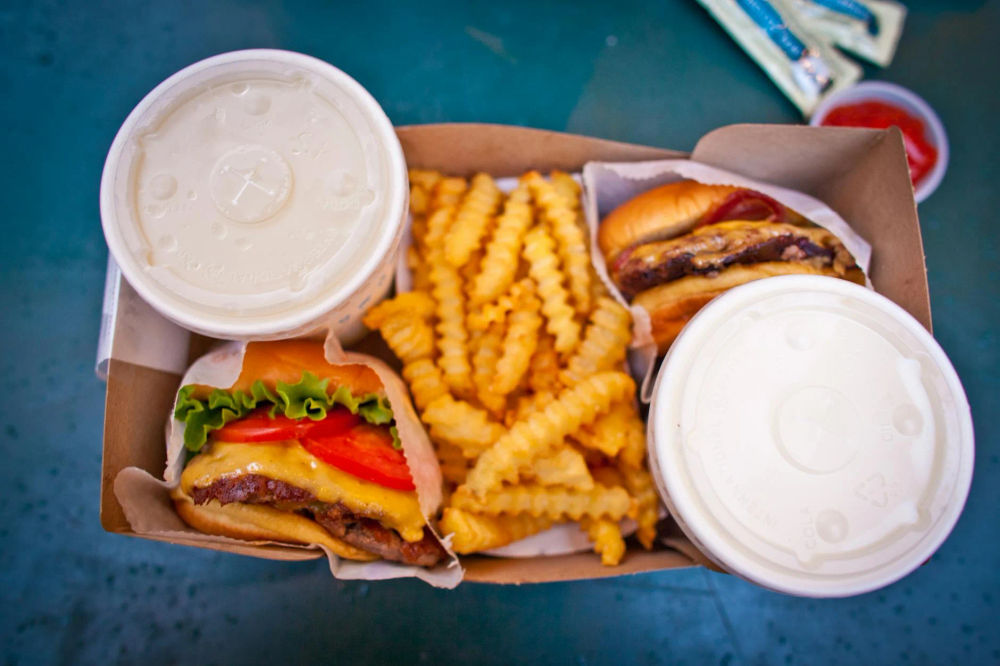
What this means for operators: The value signal has to be visible on the menu board, not buried in fine print. That means chicken over beef where margins allow, streamlined combo builds that reduce prep time, and high-efficiency cooking equipment that supports consistent quality at high volume without labour cost spikes. Henny Penny pressure fryers are the benchmark for that combination: they cook bone-in chicken in under 14 minutes, hold quality across a long service window, and reduce oil consumption by up to 40 percent compared with older open-vat models.
2) Fried Chicken Still Leads, But the Sandwich War Is Evolving
Chicken is the QSR protein story of this decade in Canada, and 2026 is not the year that changes.
Globally, more than 15 billion fried chicken servings are consumed annually across quick-service formats, and chicken sandwiches alone account for over 4 billion orders per year. North America leads the world in fried chicken volume, with buckets and bone-in pieces still representing 40 percent of all fried chicken sales in QSRs. In Canada specifically, chicken, burgers, and sandwiches dominate fast food market share, with chicken gaining ground on burgers in every demographic cohort under 45 (Renub Research, 2024).
The sandwich side of the equation is where the 2026 competition is sharpest. Over 70 percent of leading chicken chains now offer spicy variants, regional sauces, and limited-time flavour rotations to drive repeat visits. The operators winning on chicken sandwiches are differentiating on texture and crunch, not just price. That crunch is a direct function of cooking temperature control and oil quality.
Rising poultry costs remain a headwind. Canada's supply-managed chicken pricing makes Canadian operators more insulated than U.S. counterparts, but input cost pressure is real, and oil management is where margin recovery happens at the fryer level.

What this means for operators: If you are not already running a pressure fryer program for bone-in chicken, or a dedicated open fryer lane for chicken sandwiches, 2026 is the year to close that gap. The Henny Penny Evolution Elite brings Oil Guardian technology and Smart Touch Filtration together to extend oil life by up to 40 percent while maintaining consistent fry quality across a full service day. For high-throughput sandwich programs, Henny Penny open fryers with automated filtration cycles give operators the speed and quality consistency the sandwich war demands.
3) Ghost Kitchens and Delivery-Only Models Are Changing QSR Real Estate
Ghost kitchens are no longer a pandemic-era workaround. They are a permanent part of the Canadian QSR structure.
The global cloud kitchen market is growing at a 16.78 percent CAGR, and Canada's delivery-focused food economy is tracking that growth closely (Mordor Intelligence, 2025). The Canadian online food delivery segment was worth $18.99 billion in 2024 and is projected to grow at a CAGR of 12.4 percent through 2034 (Business Research Insights, 2026). Off-premise formats including delivery, drive-thru, and takeaway now account for over 70 percent of revenue at Canada's leading quick-service brands.
The shift to delivery is changing kitchen design. Operators are converting oversized dining rooms into compact fulfillment hubs, layering drive-thru efficiency tools and curbside pickup bays onto existing real estate, and building ghost kitchen concepts on top of underperforming locations to generate incremental revenue from the same square footage. More than 10,000 ghost kitchens worldwide now carry fried chicken brands on delivery platforms, and that number is expected to double over the next three years (Business Research Insights, 2026).
For independent and regional Canadian QSR operators, ghost kitchens represent a low-capital way to test new menu concepts or expand reach into delivery zones without building a new location. The barrier is kitchen infrastructure. A ghost kitchen running three virtual brands simultaneously needs equipment that can handle diverse menu requirements, switch between proteins quickly, and maintain quality during extended hold times between delivery pickups.
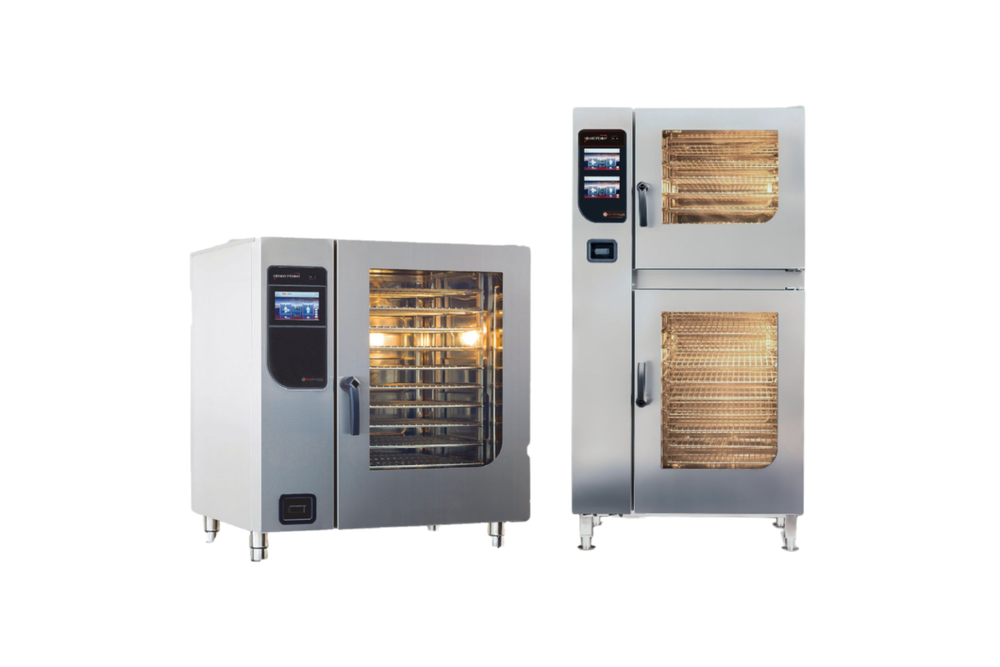
What this means for operators: Delivery-focused kitchens need versatile, space-efficient equipment. Combi ovens are the workhorses of multi-concept ghost kitchens because they replace multiple pieces of equipment in a fraction of the footprint. Paired with a compact pressure fryer program, a two-person ghost kitchen team can execute chicken, sandwiches, and a rotating limited-time menu simultaneously. Ask TFI about equipment leasing programs designed for operators launching new delivery concepts.
4) Kitchen Technology Has Moved from Pilot to Standard
The Canadian quick-service operator who was still "evaluating" smart kitchen technology in 2024 is now behind their competition.
Roughly one in four operators in the limited-service segment plans to invest in kitchen automation and AI-driven inventory tracking in 2026 (Square Canada, 2025). That is not a curiosity statistic. It reflects a real shift in where operators are allocating capex. Forty percent of Canadian restaurants already use kitchen display systems and order processing automation, and 39 percent rely on inventory management software for real-time stock tracking and reordering (Square Canada, 2025). Seventy-seven percent say they are spending more time researching and implementing technology than they were a year ago.
The technology that matters most for QSR operators in 2026 is not flashy robotics. It is IoT-connected equipment that provides actionable data: oil condition monitoring, predictive maintenance alerts, energy consumption tracking, and production speed analytics. These systems reduce the two biggest cost leakages in any QSR kitchen: equipment downtime and over-oil usage.
IoT-enabled equipment from Franke and Henny Penny uses telemetry to monitor uptime, track usage patterns, and schedule maintenance before a failure happens. That predictive maintenance capability is expected to be standard on commercial kitchen equipment by 2026, and the operators who have it will spend significantly less on emergency service calls. TFI's commercial kitchen equipment repair services are OEM-trained on every brand we carry, and remote diagnostics through connected equipment can often identify a repair need before the kitchen ever goes down.
AI-powered ordering is also accelerating. Papa John's launched an AI-powered ordering assistant built on Google technology in early 2026. Starbucks has 34 million active loyalty members accounting for 57 percent of its sales, which was enabled in part by AI-driven personalization in its app (Harmelin Media, January 2026).

What this means for operators: The 2026 technology priority list for Canadian QSRs is: (1) connected equipment with remote monitoring, (2) kitchen display system integration, and (3) loyalty program infrastructure. The equipment investment should come first because it generates the data the other systems rely on.
5) Menu Simplification Is a Competitive Advantage
One of the counterintuitive QSR trends in Canada for 2026 is that the best-performing operators are putting fewer items on the menu, not more.
The logic is straightforward: a smaller menu means faster throughput, lower food waste, simpler training, and better consistency. When three-quarters of your customers are value-focused and in a hurry, a 90-item menu is a liability, not an asset. McDonald's global restructuring removed dozens of underperforming items from its Canadian menu in 2024 and the operational impact was measurable. Chains that streamlined their lineup in 2025 reported faster average ticket times and lower prep labour costs per order.
The practical version of menu simplification for Canadian QSR operators is identifying the 20 percent of menu items that drive 80 percent of revenue, then building the kitchen equipment strategy around executing those items perfectly at high volume. That usually means a two- to three-fryer station for proteins, a dedicated sandwich assembly line, and a beverage program that does not require a barista.
Self-serve and semi-automated beverage delivery is a growing component of menu simplification at the beverage station. Operators using super-automatic coffee equipment from Franke are replacing multi-step barista workflows with one-touch preparation that maintains consistent quality across every shift. For more on what that looks like at the equipment level, see our coffee trends in Canada guide.

What this means for operators: Audit your menu against your POS data before the summer traffic season. Cut anything with a food cost above 30 percent that does not drive traffic. Then map your remaining core items to your equipment and identify any throughput bottlenecks.
6) Gen Z and Younger Diners Are Reshaping Loyalty
Gen Z, defined as consumers born between 1997 and 2012, now represents a growing share of Canadian QSR traffic, and they behave differently from every cohort before them.
They are not loyal to brands. They are loyal to experiences, value, and shareability. They are more likely to try a new concept discovered on TikTok than return to a chain out of habit. They will drive further for a better chicken sandwich and post about it, and they will not return to a location with inconsistent quality even if it is the closest option. They are also more likely than older demographics to use delivery apps as their primary food discovery tool, meaning your Uber Eats and DoorDash ratings are more important than your Google Maps listing for this cohort.
For Canadian QSR operators, the Gen Z trend intersects directly with the value trend. This demographic is experiencing a cost-of-living squeeze similar to the broader population, and they are more likely to respond to loyalty program incentives than to discounts. Subscription-style loyalty programs are gaining traction: Starbucks' 34 million active loyalty members represent the ceiling of what these programs can achieve when the product and the reward structure are aligned.
Limited-time offers tied to social media moments are the other major lever. A spicy sandwich LTO with a strong visual identity can generate more trial and traffic than a month-long radio campaign at a fraction of the cost. The key is execution consistency: if the LTO quality fails even once, the negative reviews travel faster than the positive ones ever did.

What this means for operators: Build the equipment foundation for consistent quality first, then invest in the marketing. A loyalty program is a liability if the kitchen cannot deliver on the promise every time.
QSR Trend-to-Action Playbook for Canadian Operators
QSR Trend | What to Do Next | Equipment Action | Implied ROI |
|---|---|---|---|
Value dining pressure | Engineer $10-$12 combo builds around chicken | Pressure fryer for consistent bone-in quality at volume | Lower cost-per-serve, faster throughput |
Fried chicken growth | Add or upgrade chicken sandwich program | Open fryer with auto-filtration for high-volume sandwich service | Extended oil life, consistent crunch |
Ghost kitchen / delivery | Launch delivery-only concept on underperforming location | Combi oven + compact fryer setup for multi-concept kitchen | Revenue from idle kitchen hours |
Smart kitchen technology | Connect equipment to IoT monitoring dashboard | Henny Penny Evolution Elite with Oil Guardian and Smart Touch Filtration | Up to 40% oil savings, reduced downtime |
Menu simplification | Audit POS, cut low-margin items, double down on top 5 | Dedicated fryer lanes per protein type, super-auto beverage station | Faster ticket times, lower labour cost |
Gen Z loyalty | Launch or upgrade loyalty/app program | Consistent fryer quality and beverage quality to back the brand promise | Repeat visit rate, social proof |
Best Equipment Moves for QSR Operators in Canada in 2026
The equipment decisions that align with 2026 QSR trends in Canada come down to four categories:
Pressure fryers for bone-in chicken programs
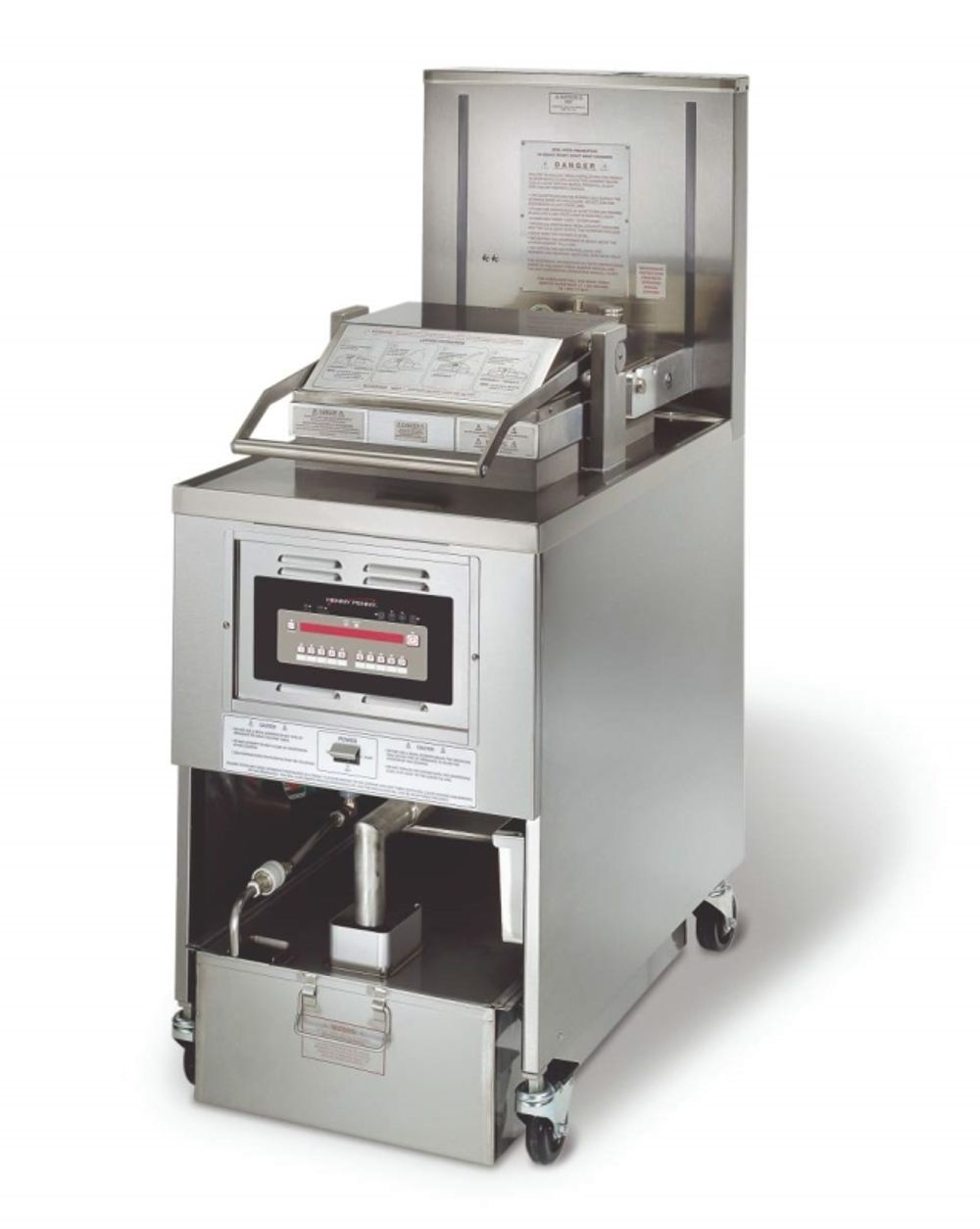
If fried chicken is on your menu or you are planning to add it, a pressure fryer is the production standard. The Henny Penny Evolution Elite sets the current benchmark for Canadian operators: Oil Guardian technology, Smart Touch Filtration that filters automatically every batch, OQMS oil quality monitoring, and a 7-year vat warranty that makes the capital case straightforward. It is the fryer that the largest chicken QSR chains in North America use because it delivers consistent results at volume with the lowest oil cost per cycle. TFI is the authorized Henny Penny dealer for Ontario and Atlantic Canada.
Open fryers for sandwich and side programs
A dedicated open fryer station for chicken sandwiches, fries, and sides keeps your pressure fryer lane running on bone-in without cross-contamination of oils or hold-time management conflicts. Henny Penny open fryer models include automatic filtration and programmable cook cycles that standardize results across every shift and every operator.

Combi ovens for flexibility and ghost kitchen formats
Combi ovens are the backbone of any multi-concept or ghost kitchen operation because they replace a holding cabinet, convection oven, and steamer in a fraction of the footprint. For QSR operators adding delivery revenue streams, a combi oven gives you the flexibility to run entirely different menu concepts from the same kitchen without additional equipment investment.

Super-automatic coffee for QSR beverage programs
The beverage margin story at Canadian QSRs has shifted significantly toward specialty coffee, and Franke super-automatic machines from TFI let operators deliver a consistent, barista-quality cup without a trained barista on every shift. A single one-touch machine can handle espresso, lattes, cappuccinos, and cold brew through the same unit. See the full breakdown of how this fits into the Canadian coffee market in our coffee trends in Canada 2025 guide.
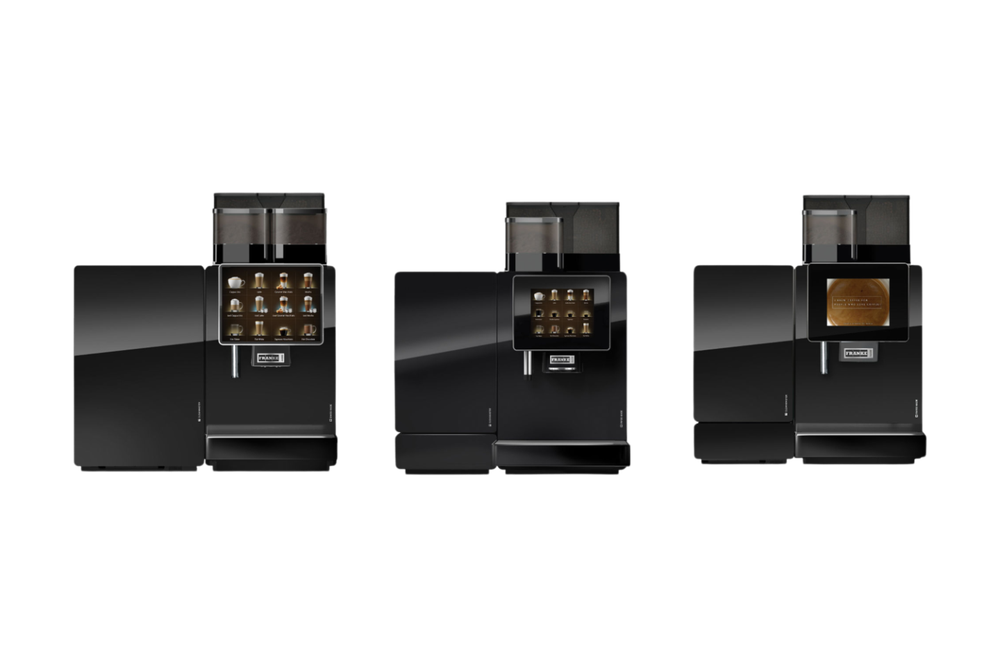
For operators who want to access this equipment without a full capital outlay, TFI offers flexible leasing programs with options structured around cash flow rather than upfront purchase.
FAQs
What are the top QSR trends in Canada for 2026?
The top trends are value-first pricing driven by cost-of-living pressure, continued growth in fried chicken and chicken sandwich programs, ghost kitchen and delivery channel expansion, smart kitchen technology adoption including IoT-connected equipment, menu simplification for throughput, and Gen Z loyalty strategies. Operators who address value and technology together will be best positioned for 2026 and beyond.
How big is the QSR market in Canada?
Canada has approximately 21,243 fast food and quick-service restaurant locations employing around 410,000 people. The market is valued at over $37 billion and is part of a North American fast food sector valued at USD $260.76 billion in 2025, projected to grow to USD $383.20 billion by 2034 at a CAGR of 4.37 percent.
What food is most popular at Canadian QSRs?
Burgers and sandwiches hold the largest share of Canada's fast food market, with chicken growing rapidly across all age demographics. Chicken sandwiches, bone-in fried chicken, and chicken wraps are among the fastest-growing menu categories. Global flavours including Korean, Caribbean, and Middle Eastern influences are trending in urban markets like the GTA.
How are Canadian QSR operators handling rising costs?
The primary responses are menu simplification (cutting low-margin items), switching to lower-cost proteins like chicken over beef, investing in oil management technology to reduce fryer operating costs, and leasing rather than purchasing equipment to preserve cash flow. Oil management alone can recover thousands of dollars per fryer per year through systems like Henny Penny's Oil Guardian and Smart Touch Filtration.
What role does delivery play in QSR trends in Canada 2026?
Delivery and off-premise formats account for over 70 percent of revenue at Canada's leading QSR brands. Online food delivery in Canada was worth $18.99 billion in 2024 and is growing at 12.4 percent annually. Ghost kitchens and delivery-only concepts are allowing operators to generate revenue from underutilized kitchen space, and over 10,000 ghost kitchens worldwide now carry fried chicken brands on delivery apps.
What is a ghost kitchen and should Canadian QSR operators consider one?
A ghost kitchen, also called a cloud kitchen or virtual kitchen, is a food production facility that fulfills delivery orders only with no dine-in option. For Canadian QSR operators with underperforming locations or excess kitchen capacity during off-peak hours, launching a virtual brand through a ghost kitchen model can generate incremental revenue at low incremental cost. The key equipment requirement is versatility: combi ovens and compact fryer setups that can run multiple concepts from the same station.
How is technology changing QSR kitchens in Canada?
IoT-connected equipment, kitchen display systems, AI-driven inventory management, and predictive maintenance tools are the leading technology investments among Canadian QSR operators in 2026. Roughly one in four limited-service operators plans to invest in automation and AI tracking this year. The practical impact is lower downtime, reduced oil waste, faster throughput, and more consistent food quality across shifts. Franke and Henny Penny equipment available through TFI includes telemetry and remote monitoring capabilities built in.
Which Canadian cities have the highest QSR growth in 2026?
The GTA remains Canada's highest-volume QSR market, but Atlantic Canada cities including Halifax, Moncton, Charlottetown, and St. John's are seeing above-average growth driven by population increases and expansion of national chains into mid-size markets. Independent operators in Atlantic Canada are increasingly competing with national chains and investing in equipment upgrades to match the product consistency those chains deliver.
How do I choose between a pressure fryer and an open fryer for my QSR?
The decision comes down to your protein program. Pressure fryers are ideal for bone-in chicken, producing juicy interior results with a shorter cook time (under 14 minutes for a full bone-in batch). Open fryers are better suited to chicken sandwiches, tenders, fries, and sides where a dryer, crispier exterior is the goal. Most high-volume chicken QSRs in Canada run both: pressure fryers for bone-in and open fryers for sandwiches and sides. TFI can help you spec the right combination based on your menu mix and throughput requirements.
How do I get started with TFI for QSR equipment in Canada?
TFI Food Equipment Solutions is the authorized dealer for Henny Penny and Franke in Ontario and Atlantic Canada. We offer equipment sales, leasing, installation, and OEM-trained service for the full product lineup. The fastest way to start is a free equipment consultation where our team reviews your menu, throughput requirements, and kitchen layout to recommend the right fryer and beverage solution. Visit our products page or contact our sales team directly to book a free quote and demo.
Ready to Align Your Kitchen with 2026 QSR Trends?
The operators who gain ground in 2026 will not be the ones who wait to see how the trends land. They will be the ones who commit to their chicken program, right-size their menu, connect their equipment to performance data, and build a beverage program that generates margin without adding labour.
TFI Food Equipment Solutions has demo kitchens in Ontario and Atlantic Canada where you can see Henny Penny and Franke equipment running in real production conditions before you buy. Our leasing programs are structured to match your cash flow, and our service team is OEM-trained on every brand we carry.
View our full equipment lineup | Explore leasing options | Contact our sales team for a free quote

Nicole Camposeo-Cheung is the Director of Marketing, People & Culture at TFI Food Equipment Solutions, Canada’s leading provider of premium commercial foodservice equipment. She combines her expertise in business management and fashion arts to foster a dynamic, innovative, and people-centric corporate culture. Passionate about empowering teams, building strong client relationships, and driving growth through creativity and collaboration, Nicole plays a key role in shaping TFI’s brand and workplace culture. She also shares her industry expertise and insights through the TFI blog, helping foodservice professionals stay informed about the latest trends, best practices, and innovations in commercial food equipment.
Add a comment
This will be publicly visible.
Your email address will not be published.
Your comment will be reviewed by an admin before it is published.


