Super-Automatic vs Traditional: Choosing a Commercial Espresso Machine
A practical comparison of super-automatic and traditional commercial espresso machines, covering speed, labour, consistency, and the margins behind a profitable Canadian coffee programme.

Choosing a commercial espresso machine in 2026 comes down to one practical question: should the machine do the work, or should your staff? Super-automatic systems grind, dose, tamp, brew, and froth at the touch of a button, while traditional setups put each of those steps in a barista's hands. This guide compares both on the metrics that decide profit behind a busy counter: speed, labour, consistency, training, and payback.
Planning a new coffee programme or upgrading an aging setup? Request a free consultation from TFI's team in Ontario or Atlantic Canada to model the right machine for your volume and menu.
What "Super-Automatic" and "Traditional" Actually Mean
A super-automatic espresso machine automates the entire drink, from grinding the beans to frothing the milk, in a single cycle triggered by one button. A traditional machine, often called semi-automatic or manual, requires a trained barista to grind, dose, tamp, pull the shot, and steam milk by hand. Both produce real espresso from fresh beans; the difference is who controls each step.
The distinction matters most at volume. Coffee remains Canada's most-consumed beverage, with 73% of Canadians drinking it daily and roughly 29% reaching for an espresso-based drink. For an operator serving that demand through a morning rush, the machine type sets the ceiling on how many drinks reach the counter, how consistent each one tastes, and how many staff hours it takes to get there.

The core trade-off is simple: a traditional machine rewards skilled hands with craft control, while a super-automatic machine delivers café-quality drinks without depending on barista skill or availability.
Super-Automatic vs Traditional: The Commercial Comparison
For most Canadian foodservice operators, a super-automatic espresso machine wins on the metrics that move profit: throughput, labour cost, and consistency. A traditional machine wins on hands-on craft control and ceiling-level quality in expert hands. The table below compares both across the factors that matter behind a working counter.
Factor | Super-Automatic | Traditional (Semi-Auto / Manual) |
|---|---|---|
Drinks per hour | High; one-touch cycles, minimal handling | Limited by barista speed and skill |
Barista skill required | Low; button press | High; grind, dose, tamp, steam by hand |
Drink consistency | Programmed and repeatable across staff | Varies by barista and shift |
Training time | Minutes | Days to weeks for quality output |
Labour per drink | Low | High |
Milk drinks | Automated frothing on many models | Manual steaming required |
Best fit | C-stores, QSR, hotels, offices, self-serve | Specialty cafés with skilled staff |
Many operators run a blend: a super-automatic for volume and self-serve, with a traditional machine where a barista showcases craft. The right answer depends on your menu, your staffing, and your daily cup count, which is exactly what a free consultation is built to map out. For a broader view of building a coffee offer from the ground up, our coffee business guide walks through menu, equipment, and margin together.
Labour and Consistency: Why Automation Wins at Volume
Labour is the deciding factor for most commercial buyers in 2026. Canada's foodservice sector is grappling with nearly 100,000 job vacancies, the highest of any private-sector industry and roughly one in six private-sector vacancies nationally. When you cannot reliably staff a skilled barista every shift, a machine that depends on one becomes a liability.
A super-automatic espresso machine removes that dependency. New staff produce a consistent latte or cappuccino on their first shift because the recipe lives in the machine, not in the employee. That protects quality on understaffed mornings and shortens training from weeks to minutes. With operators actively responding to labour shortages by raising wages and rethinking workflows, automation directly cuts the labour cost embedded in every cup.
Consistency also protects revenue. A drink that tastes the same every visit builds the repeat traffic that coffee programmes depend on. Franke coffee systems store programmed recipes for each drink, so a flat white pulled at 7 a.m. matches the one pulled at 3 p.m., regardless of who is working.

The Profit Case: Margins, Payback, and ROI
Coffee is one of the highest-margin categories a Canadian operator can run, and the machine you choose determines how much of that margin you keep. A super-automatic programme protects margin by reducing labour per drink and waste from inconsistent pours. Franke super-automatic systems support 80%+ gross profit with average paybacks of 6 to 12 months on a commercial coffee programme.
Demand supports the investment. Canada's specialty coffee segment is forecast to grow at a 10.1% CAGR from 2025 to 2030, faster than the overall coffee market, as premium espresso drinks and cold options pull more spend out of home. Cold coffee in particular has moved from seasonal to year-round, a shift detailed in our guide to coffee trends in Canada and echoed across iced coffee launches in the category.
A super-automatic programme that earns 80%+ gross profit with a 6 to 12 month payback turns a single counter into one of the most efficient revenue sources in the building.
To act on this: match the machine to your forecast cup count, add iced and milk-based SKUs that a super-automatic can produce on demand, and finance the equipment through lease-to-own or rental so the programme pays for itself out of the margin it generates. TFI models this ROI with operators before they buy.
When a Traditional Setup Still Makes Sense
A traditional espresso machine remains the right choice for some operators, and it is worth being clear about that. If your brand is built on barista craft, latte art, and dialled-in single-origin espresso, a skilled team on a semi-automatic machine reaches a ceiling of quality and customization that automation does not match. Specialty cafés competing on experience often justify the higher skill and labour cost because craft is the product.
The trade-off is dependency. A traditional setup delivers its best only with trained, consistent staff, which is precisely the resource under pressure given Canada's foodservice labour vacancies. For convenience stores, quick-service restaurants, hotels, offices, and any self-serve setting, the consistency and throughput of a super-automatic almost always win on total cost. The honest answer for many operators is a mix: automation for volume, a manual machine where craft is the draw.
Choosing a Commercial Espresso Machine in Ontario and Atlantic Canada
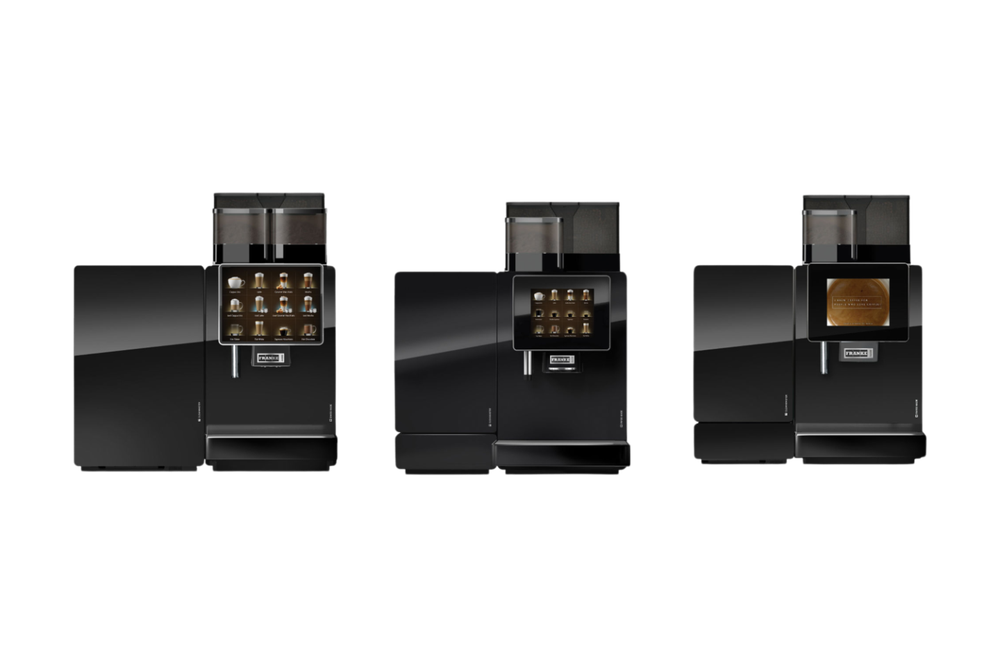
The right machine depends on your daily cup count, menu, footprint, and staffing. For high-volume sites that need hands-off output, the Franke A Series delivers programmed espresso, milk, and cold drinks at the press of a button. For premium self-serve and specialty menus that still want automation, the Franke S Series balances range and footprint. Both sit within TFI's full line of commercial coffee machines.
TFI Food Equipment Solutions has served Canadian foodservice for over 60 years and supports operators across Ontario and Atlantic Canada. Ontario and GTA operators can see machines in person at our Mississauga showroom, while operators in Nova Scotia, New Brunswick, PEI, and Newfoundland and Labrador are served from our Dartmouth location near Halifax. Uptime matters most on a revenue-driving machine, and TFI backs every system with factory-trained technicians and 24/7 service using OEM parts.
Before you decide, it helps to map the full setup. Our coffee shop equipment checklist covers everything a counter needs alongside the espresso machine itself.

Quick Decision Guide
Use this cheat sheet to match your operation to the right commercial espresso machine and the action that follows.
Your Operation | Best Machine Type | Next Step with TFI |
|---|---|---|
C-store or QSR, high volume, limited staff | Super-automatic | Franke A Series; model throughput and ROI |
Hotel, office, or self-serve | Super-automatic | Franke S Series; programmed menu |
Specialty café competing on craft | Traditional, or a blend | Book a consultation to spec both |
Scaling a new coffee programme | Super-automatic for volume | Review the coffee business guide |
FAQs
What is the best type of commercial espresso machine for a café or restaurant?
For most Canadian cafés and restaurants, a super-automatic commercial espresso machine is the best fit because it delivers consistent, café-quality drinks at high volume without depending on barista skill. Specialty cafés that compete on craft may prefer a traditional machine with trained staff. With roughly 29% of Canadians drinking espresso-based beverages daily, the right machine is the one that matches your cup count and staffing. TFI helps operators spec this through a free consultation.
What is the difference between a super-automatic and a traditional espresso machine?
A super-automatic machine grinds, doses, tamps, brews, and froths milk automatically in one cycle, while a traditional machine requires a barista to perform each step by hand. Super-automatics prioritize speed, consistency, and low training; traditional machines prioritize hands-on control and craft. Both pull real espresso from fresh beans.
Is a commercial super-automatic espresso machine worth it?
For high-volume and understaffed operations, a commercial super-automatic is worth it because it cuts labour per drink, shortens training, and keeps quality consistent across shifts. Built for high-margin coffee programmes, these machines typically pay for themselves out of the margin they protect, as our commercial coffee equipment comparison explains. Operators competing purely on barista craft may still prefer a traditional setup.
What are the disadvantages of super-automatic espresso machines?
Super-automatic machines carry a higher upfront cost and require regular cleaning and descaling to perform well. They also offer less shot-by-shot control than a skilled barista on a manual machine, which matters for cafés selling craft as the experience. Routine maintenance and reliable service largely offset these concerns, which is why TFI pairs every machine with 24/7 service arranged through our team.
Do big coffee chains use super-automatic machines?
Yes. Many large chains and quick-service operators rely on super-automatic machines precisely because they deliver speed and consistency at scale without depending on barista skill. The same logic applies to convenience stores, hotels, and offices that need reliable drinks through peak demand. This is the model behind much of Canada's growing out-of-home coffee consumption.
Take the Next Step
TFI Food Equipment Solutions supports Ontario, Nova Scotia, New Brunswick, Prince Edward Island, and Newfoundland and Labrador with sales, installation, training, rentals, leasing, and 24/7 OEM-quality service. Whether you need a super-automatic Franke system for high-volume, hands-off output or a setup built around barista craft, our team will model the throughput, labour savings, and ROI for your specific operation. We are a leading Canadian distributor of Franke, Taylor, Henny Penny, Icetro, and LightFry food equipment.
Ask for an equipment demo in Mississauga or Dartmouth, or request a free quote today.

Nicole Camposeo-Cheung is the Director of Marketing, People & Culture at TFI Food Equipment Solutions, Canada’s leading provider of premium commercial foodservice equipment. She combines her expertise in business management and fashion arts to foster a dynamic, innovative, and people-centric corporate culture. Passionate about empowering teams, building strong client relationships, and driving growth through creativity and collaboration, Nicole plays a key role in shaping TFI’s brand and workplace culture. She also shares her industry expertise and insights through the TFI blog, helping foodservice professionals stay informed about the latest trends, best practices, and innovations in commercial food equipment.
Add a comment
This will be publicly visible.
Your email address will not be published.
Your comment will be reviewed by an admin before it is published.