
Top 15 Coffee Drinks Canadians Order Most in 2026
The 15 most popular coffee drinks Canadians order in 2026, ranked by data: Tim Hortons, Starbucks Canada, chain prices, and ordering stats all included.

Last updated: August 31st, 2026
The most popular coffee in Canada is the latte, which leads all espresso-based drinks with a Google Trends Canada index average of 70 out of 100 over the past 12 months. For brewed coffee, the Double-Double holds the top position, confirmed by Tim Hortons as its single most ordered coffee across all Canadian locations in 2024. These two drinks define opposite poles of how Canadians drink coffee: one customizable, creamy, and chain-agnostic; the other a fixed cultural ritual tied to one brand so completely that it entered the Canadian Oxford Dictionary as an official noun in 2004. Whether you are a consumer deciding what to order, a foodservice operator planning a menu, or a chain evaluating where to invest equipment, these 15 drinks represent the actual ordering behaviour of Canadian coffee drinkers in 2026.
Rankings are based on Google Trends Canada data (past 12 months, April 2025 to April 2026), Tim Hortons confirmed year-end ordering data for 2024, Coffee Association of Canada consumption statistics, Google Ads monthly search volume, and a study of 74 popular coffee orders analyzed across 12 Canadian provinces. Pricing reflects confirmed CAD menu prices at Tim Hortons, Starbucks Canada, Second Cup, and McDonald's McCafe as of April 2026. We evaluated more than 40 coffee drink types and formats present across Canadian chain and independent menus before narrowing this list to the 15 with the strongest combined ordering signals, search data, and chain availability in Canada.
According to Coffee Association of Canada data published, 74% of Canadians drink coffee on a daily basis, and 30% consumed at least one espresso-based beverage the previous day as of 2025, up from 24% in 2023. Cold coffee formats have become a year-round reality: 21% of all past-day cups were cold in December 2024, more than double the 10% recorded in December 2023. Prices across this list range from $1.83 CAD for a Tim Hortons medium brewed coffee to $8.50 CAD for a specialty dalgona at an independent cafe, giving operators and consumers a clear view of where each drink sits in the Canadian market.

Operators planning a coffee program around the drinks on this list can view TFI Canada's commercial coffee equipment lineup, including Franke super-automatic espresso machines, with service coverage across Ontario and Atlantic Canada.
Canada's Most Ordered Coffee Drinks at a Glance
Drink | Top Chain to Order It | Typical Price Range (CAD) |
|---|---|---|
Latte | Starbucks Canada, Tim Hortons, Second Cup | $3.29 – $7.75 |
Double-Double | Tim Hortons | $1.83 – $2.49 |
Iced Capp | Tim Hortons | $3.29 – $4.79 |
Cappuccino | Starbucks Canada, Second Cup | $4.25 – $6.00 |
Cold Brew | Tim Hortons, Starbucks Canada | $2.49 – $6.95 |
Americano | Tim Hortons, Starbucks Canada, McCafe | $2.29 – $6.25 |
Flat White | Starbucks Canada, specialty cafes | $4.95 – $6.50 |
Iced Latte | Starbucks Canada, Tim Hortons | $4.49 – $6.95 |
Matcha Latte | Starbucks Canada, Tim Hortons | $4.29 – $7.25 |
Espresso | Starbucks Canada, Second Cup, specialty cafes | $2.35 – $4.95 |
Macchiato | Starbucks Canada | $4.85 – $6.25 |
Mocha | Tim Hortons, Starbucks Canada, McCafe | $2.69 – $7.75 |
London Fog | Starbucks Canada, Tim Hortons, Second Cup | $3.59 – $5.95 |
Cortado | Starbucks Canada, specialty cafes | $4.45 – $6.50 |
Dalgona Coffee | Independent specialty cafes | $6.50 – $8.50 |
The 15 Best Coffee Drinks in Canada (Ranked)
1. Latte

Why Canadians order it: The latte is Canada's most ordered espresso-milk drink, available at every major chain from Tim Hortons to Starbucks Canada to Second Cup, making it the default specialty coffee for millions of Canadians across morning, afternoon, and evening dayparts. Its approachable flavour and endless customization options (from plant-based milks to flavoured syrups) have cemented it as the go-to upgrade from drip coffee.
What it is: A latte is made by pulling one or two shots of espresso and combining them with steamed milk, finished with a thin layer of milk foam on top. The drink is typically smooth and mildly coffee-forward, with the milk softening the bitterness of the espresso into a creamy, satisfying texture. At most Canadian chains it is served in sizes ranging from small (10–12 oz) to large (20 oz) in both hot and iced formats.
Where to order it in Canada: Tim Hortons, Starbucks Canada, Second Cup, McDonald's McCafe, local independent cafes, Balzac's Coffee Roasters, Pilot Coffee
Typical price range: $3.29–$7.75 CAD (Tim Hortons small latte starts at $3.29; Starbucks Canada Grande latte ranges from approximately $5.65–$6.95 depending on milk and customization; Second Cup Caffe Latte at approximately $5.65)
Popularity signal: According to Coffee Association of Canada data, 30% of Canadians consumed at least one espresso-based beverage the previous day as of 2025, up from 24% in 2023, with lattes ranking among the top espresso-based orders alongside Americanos, cappuccinos, and mochas; a separate CasinosHunter study of 74 popular Canadian coffee orders ranked "latte" #4 nationally across all coffee types.
Key variations Canadians order:
Iced Latte: Espresso poured over ice with cold milk; available at Tim Hortons (Original Iced Latte and Vanilla Iced Latte) and Starbucks Canada year-round; driven by a structural cold-coffee shift: 21% of past-day Canadian coffee cups were cold in December 2024 vs. 10% in December 2023 (Coffee Association of Canada)
Vanilla Latte: Hot or iced latte with vanilla syrup added; one of the most customized orders at Tim Hortons and Starbucks Canada; Tim Hortons Vanilla Latte listed at approximately $4.19 CAD
Oat Milk Latte: Standard latte prepared with oat milk instead of dairy; oat milk leads alternative milk choices at Canadian cafes (Square platform data, 2024–2025); available at Tim Hortons, Starbucks Canada, and Second Cup
Best for: Canadians who want a smooth, satisfying coffee drink with more depth than drip coffee but without the intensity of a straight espresso, across any daypart.
Equipment that makes it: A commercial espresso machine with an integrated or stand-alone steam wand is required to produce lattes at scale; high-volume Canadian operations commonly use super-automatic machines such as the Franke A800 Fresh Brew or Franke A1000 (handling 150–300+ drinks per day), which maintain consistent milk texture and espresso extraction through peak rushes without relying on skilled barista technique for every cup.
2. Double-Double

Why Canadians order it: The Double-Double is Canada's most iconic coffee shorthand. A Tim Hortons original so embedded in Canadian culture that it was added to the Canadian Oxford Dictionary in 2004 as an official noun. It is understood coast-to-coast as a default way to order coffee, and for many Canadians, saying "Double-Double" is as automatic as saying "coffee."
What it is: A Double-Double is a cup of Tim Hortons brewed coffee prepared with two single-serving portions of cream and two single-serving portions of sugar, stirred together before serving. The result is a medium-bodied, moderately sweet cup that balances the bitterness of Tim Hortons Original Blend with a smooth, milky sweetness. It is served hot by default, though the same ratio can be applied to iced coffee variations.
Where to order it in Canada: Tim Hortons (primary and originating chain); the term is also used colloquially at independent diners and lunch counters across Canada, though it is a Tim Hortons-specific menu item
Typical price range: $1.83 to $2.49 CAD for a medium brewed coffee (prices vary slightly by province and location)
Popularity signal: Tim Hortons confirmed in its 2024 year-end recap that the Double-Double was once again the single most ordered coffee at Canadian locations, continuing a streak that reflects its dominance among the chain's estimated 5 million daily cups served across Canada.
Key variations Canadians order:
Triple Triple: Three creams and three sugars, the next step up in sweetness and richness, popular among those who find the Double-Double too mild
Regular (Single Single): One cream and one sugar, often referred to simply as "regular" rather than "single single"; the lighter counterpart to the Double-Double
Four by Four: Four creams and four sugars, an informal order with no official Tim Hortons menu name, used by regulars who want a noticeably rich, dessert-adjacent cup
Best for: Commuters, office workers, and anyone who wants a consistent, affordable hot coffee with built-in cream and sugar - no counter customization required.
3. Iced Capp
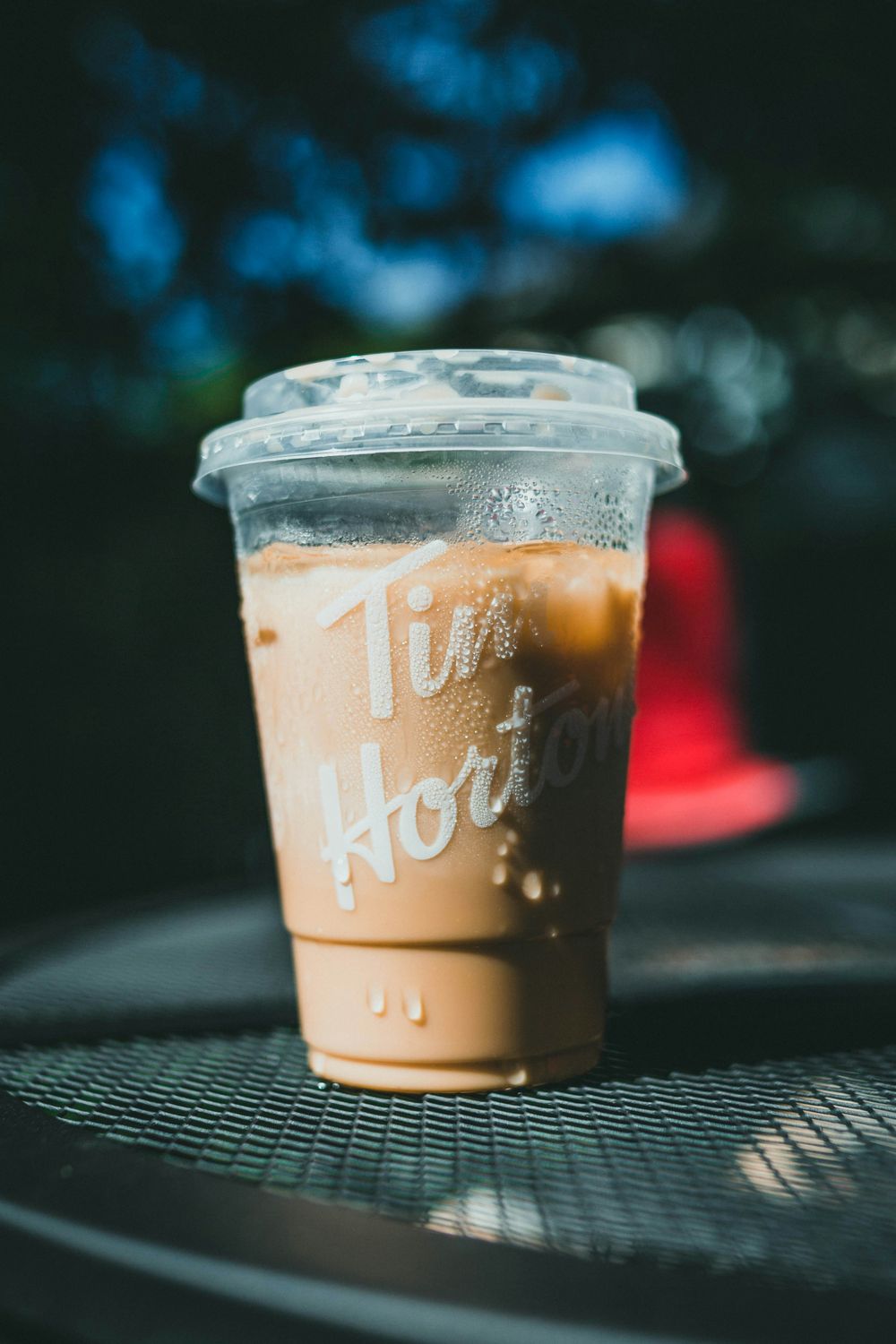
Why Canadians order it: The Iced Capp has been a Tim Hortons staple since its launch in 1999 and is so deeply embedded in Canadian coffee culture that Tim Hortons marked its 25th anniversary in April 2024 with limited-edition Caramilk and Oreo Double Stuf versions. With over 3,700 Tim Hortons locations across Canada, it is the single highest-volume Canadian coffee search keyword and a default cold-coffee order for millions of Canadians year-round.
What it is: The Iced Capp (short for Iced Cappuccino) is a blended frozen coffee beverage made with Tim Hortons coffee extract, cream, skim milk, cane sugar, and ice, producing a thick, slushie-like consistency. It is richer and denser than typical iced coffee because it uses cream as the default dairy base rather than milk. The result is a smooth, cold, mildly sweet coffee drink that sits somewhere between a slushie and a milkshake in texture.
Where to order it in Canada: Tim Hortons (primary and origin chain), select independent cafes offering blended frozen coffee drinks
Typical price range: CAD $3.29 - $4.79 (small Original to large specialty flavour; price varies by province and location)
Key variations Canadians order:
Iced Capp Light: Made with 2% milk instead of cream, reducing calories while keeping the blended frozen texture; a popular choice for calorie-conscious regulars.
Mocha Iced Capp: The standard Original base blended with chocolate mocha flavour, topped with whipped cream; one of the most ordered specialty variants on the Tim Hortons menu.
Oreo Double Stuf Iced Capp: The fan-favourite seasonal return, Original Iced Capp blended with Oreo cookie crumble and vanilla syrup, finished with vanilla whipped topping; brought back for spring and summer 2024 alongside the 25th anniversary launch.
Best for: Anyone who wants a cold, creamy coffee fix that is quick to grab at the drive-thru any time of year.
4. Cappuccino
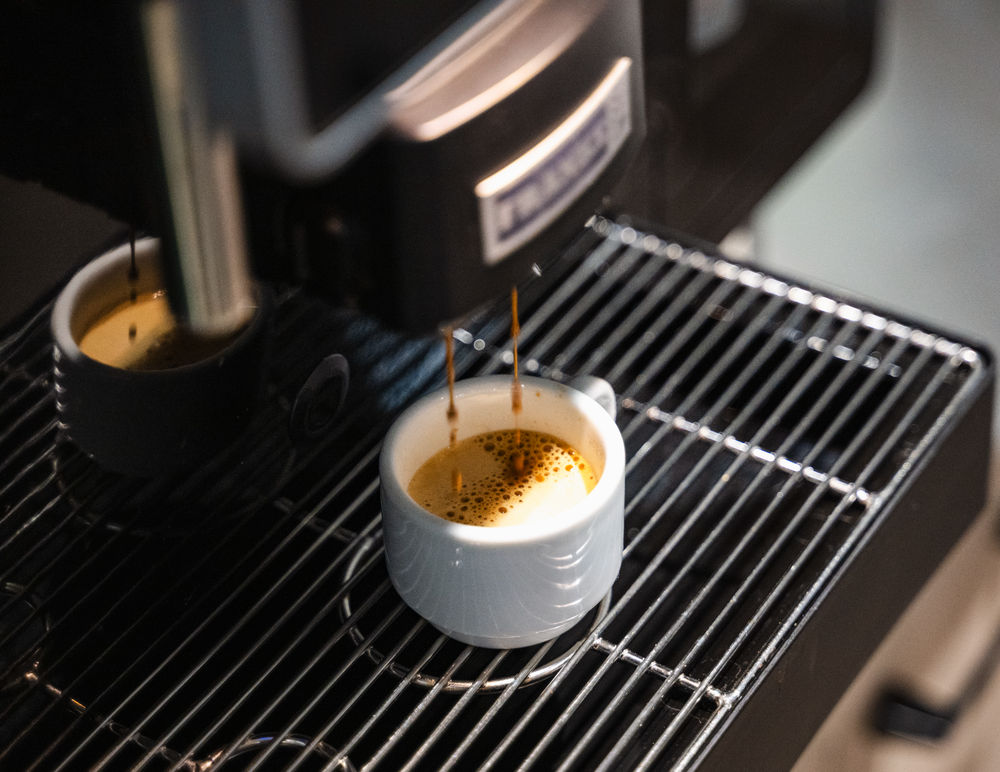
Why Canadians order it: Cappuccino is a staple at sit-down cafes and specialty coffee shops across Canada, consistently ranking among the top espresso-based orders alongside lattes and Americanos. Its smaller, bolder format appeals to Canadians who want an authentic espresso experience, and it anchors the menus of chains like Starbucks Canada and Second Cup as well as thousands of independent cafes nationwide.
What it is: A cappuccino is built from equal parts espresso, steamed milk, and thick milk foam -traditionally one-third of each, producing a drink that is stronger and more concentrated than a latte. A double espresso shot is pulled first, then hot milk steamed to around 60 degrees Celsius is added, topped with a dense layer of frothed milk. The result is a rich, bold espresso flavour with a creamy body and a velvety foam cap, typically served in a 150 to 180 ml (5 to 6 oz) ceramic cup.
Where to order it in Canada: Starbucks Canada, Second Cup, Tim Hortons (limited espresso bars), independent specialty cafes, hotel restaurants, airport cafes
Typical price range: $4.25 to $6.00 CAD (Starbucks Short $4.55, Tall $4.65, Grande $4.95, Venti $5.45; Second Cup approximately $4.25 to $5.25 depending on size)
Popularity signal: A study analyzing 74 popular coffee orders across 12 Canadian provinces ranked cappuccino third among Canada's most-ordered coffee types, behind flat white and espresso, and a 2024 Foodservice and Hospitality report noted that 30 percent of Canadians consumed at least one espresso-based drink on a given day, up from 24 percent in 2023.
Key variations Canadians order:
Wet cappuccino: Made with more steamed milk and less foam than the traditional ratio, producing a milder, creamier drink closer to a latte; a popular order for customers who find standard cappuccinos too intense
Dry cappuccino: Less steamed milk and a thick, dense foam on top, giving the espresso a sharper, more pronounced flavour; commonly requested by espresso-forward drinkers and listed explicitly as a popular Canadian order in the CasinosHunter provincial study
Oat milk cappuccino: Substituting oat milk for dairy produces a naturally sweet, creamy foam that holds structure well; increasingly the default non-dairy cappuccino order at Starbucks Canada and independent specialty cafes
Best for: Coffee drinkers who want an authentic espresso-forward drink with a creamy texture but less milk volume than a latte, suited to a morning sit-down or a midday cafe visit.
5. Cold Brew

Why Canadians order it: Cold brew has crossed over from a warm-weather novelty into a year-round staple at Canadian coffee chains, with Tim Hortons and Starbucks Canada both running dedicated cold brew lineups in 2025 and 2026. Its low acidity, bold flavour, and customizable toppings drive repeat orders from younger Canadians who prefer cold formats regardless of season.
What it is: Cold brew is made by steeping coarsely ground coffee in cold or room-temperature water for 12 to 24 hours, then filtering out the grounds to produce a smooth, concentrated liquid. Unlike iced coffee, which is brewed hot and then chilled, cold brew's slow extraction produces significantly lower acidity and a naturally sweeter, fuller body. It is served over ice, either straight black or topped with cream, flavoured foam, or syrups.
Where to order it in Canada: Tim Hortons, Starbucks Canada, Second Cup, McDonald's McCafe, independent specialty cafes
Typical price range: $2.49 to $6.95 CAD (Tim Hortons Original Cold Brew starts at $2.49 for a small; Starbucks Canada cold brew drinks range from approximately $5.25 to $6.95 CAD depending on size and customization)
Popularity signal: According to Canadian Coffee Association 2024 data, cold coffee accounted for 21% of all past-day cups consumed in December 2024, more than double the 10% recorded in December 2023 - signalling that cold brew demand is no longer seasonal. Cold brew Canada search interest has held steady year-round, with Tim Hortons and Starbucks Canada both investing in expanded cold brew menus heading into 2026.
Key variations Canadians order:
Original Cold Brew (black): Unsweetened, served over ice - Tim Hortons offers this starting at $2.49 CAD; popular with caffeine-focused drinkers who want a clean, bold cup with no added sugar
Vanilla Sweet Cream Cold Brew: Cold brew topped with pourable sweet cream (vanilla-flavoured); Starbucks Canada's version is one of their top-selling cold drinks; Tim Hortons offers a Vanilla Cream Cold Brew from $2.99 CAD
Nitro Cold Brew: Cold brew infused with nitrogen and served on tap, producing a creamy, stout-like texture with a cascading effect; available at Starbucks Canada locations with nitro tap equipment
Best for: Coffee drinkers who want a smooth, low-acid caffeine boost that is strong enough to drink black or easy to customize with cream and flavouring, any time of year.
6. Americano

Why Canadians order it: The Americano is a staple order across every major Canadian chain, from Tim Hortons and Starbucks Canada to McDonald's McCafe, prized for delivering bold espresso flavour at a lower price point than a latte or cappuccino. It has become the go-to entry point for espresso-curious Canadians who want something stronger than drip coffee without the added milk and calories.
What it is: An Americano is made by pulling one or more shots of espresso and diluting them with hot water, typically in a 1:2 or 1:3 espresso-to-water ratio. The resulting drink has the strength and aroma of espresso but a lighter body and longer volume that resembles a cup of brewed coffee. It tastes bold and slightly bitter with complex roasted notes, and is usually served black, though it can be customized with milk, cream, or flavoured syrups.
Where to order it in Canada: Tim Hortons, Starbucks Canada, McDonald's McCafe, Second Cup, Balzac's Coffee Roasters, Pilot Coffee, local independent cafes
Typical price range: $2.29–$6.25 CAD (Tim Hortons Small $2.29 to Large $3.29; Starbucks Canada Caffe Americano approximately $4.45; Brown Sugar Oat Americano at Starbucks Canada approximately $5.75–$6.25 depending on size; McCafe Americano approximately $3.49–$4.19)
Popularity signal: According to Coffee Association of Canada data, 30% of Canadians consumed at least one espresso-based beverage the previous day in 2025, up from 24% in 2023, with Americanos listed among the top espresso orders alongside lattes, cappuccinos, and mochas driving that growth.
Key variations Canadians order:
Iced Americano: Espresso shots pulled over ice and topped with cold water; a year-round order at Tim Hortons and Starbucks Canada, fuelled by a structural cold-coffee shift in which 21% of past-day Canadian coffee cups were cold even in December 2024 (Coffee Association of Canada via TFI Canada)
Brown Sugar Oat Americano: Starbucks Canada menu item that layers espresso with brown sugar syrup and oat milk; priced approximately $5.75–$6.25 CAD; reflects the chain's push into flavoured Americano variants as a bridge between straight espresso and sweeter milk drinks
Double Double Americano: A Tim Hortons customization that adds two creams and two sugars to an Americano base; satisfies Canadians who want espresso intensity with the familiar Double Double flavour profile
Best for: Canadians who want a strong, low-calorie coffee with more complexity than drip coffee and less richness than a latte, whether drinking black or with light customization.
Equipment that makes it: A commercial espresso machine is the core piece of equipment required to produce Americanos at scale; high-volume Canadian operations typically rely on super-automatic machines such as the Franke A600 or semi-automatic machines like the Franke S700, which deliver consistent espresso extraction across hundreds of daily cups and allow operators to add hot water ratios programmatically, removing barista variability and reducing training burden during peak service.
7. Flat White

Why Canadians order it: The flat white has become a go-to for urban Canadian coffee drinkers who want a strong espresso flavour without the volume of a latte, making it a staple at Starbucks locations nationwide and a signature offering at specialty third-wave cafes in Vancouver, Toronto, and Montreal. A 2024 study analyzing 74 popular coffee types across 12 Canadian provinces ranked the flat white as Canada's most searched coffee type, with British Columbia leading search interest nationally.
What it is: A flat white is a short espresso-based drink built on one or two ristretto or standard espresso shots poured into a 5-6 oz cup, topped with steamed whole milk worked into a thin, velvety layer of microfoam. The smaller volume means a higher coffee-to-milk ratio than a latte or cappuccino, producing a bolder, more concentrated flavour with a silky, smooth texture. At Starbucks Canada, the standard version uses Blonde Espresso ristretto shots, which run sweeter and lighter than the classic roast.
Where to order it in Canada: Starbucks Canada, specialty and third-wave independent cafes (Vancouver, Toronto, Montreal), Pilot Coffee Roasters (Toronto), 49th Parallel Coffee (Vancouver), and most dedicated espresso bars across major urban centres
Typical price range: $4.95 - $6.50 CAD (Starbucks Canada tall to grande; independent specialty cafes may run slightly higher)
Key variations Canadians order:
Honey Almond Flat White: Starbucks Canada permanent menu item featuring Blonde Espresso ristretto shots, steamed almond milk, and a drizzle of honey; priced from $5.45 (tall) to $6.45 (venti)
Oat Milk Flat White: A dairy-free riff popular at both Starbucks and independent specialty cafes, made with oat milk in place of whole milk for a naturally sweet, creamy microfoam that pairs well with lighter roasts
Iced Flat White: A cold variation served over ice with ristretto shots and a splash of cold milk, gaining traction year-round as cold espresso orders in Canada grew from 10% of past-day cups in December 2023 to 21% in December 2024
Best for: Coffee drinkers who want a strong, concentrated espresso flavour with just enough milk to round it out, without the bulk of a latte.
Equipment that makes it: Commercial semi-automatic and fully automatic espresso machines with integrated milk steaming systems, such as the Franke A600 for cafes doing up to 150 drinks per day or the Franke A800 Fresh Brew for higher-volume operations are essential for producing the consistent microfoam texture and precise milk temperature (55-65°C) that define a proper flat white at scale, making milk system capability a key spec consideration for Canadian foodservice operators adding specialty espresso drinks to their menu.
8. Iced Latte

Why Canadians order it: The iced latte is the go-to warm-weather espresso order at both Tim Hortons and Starbucks Canada, driven by younger consumers who want espresso strength with a creamy, cold finish and the flexibility to customize with oat milk, flavoured syrups, or protein add-ins. Starbucks and Tim Hortons both carry extensive iced latte lineups year-round, making it one of the most accessible cold espresso drinks across the country.
What it is: An iced latte is made by pulling one or more shots of espresso and combining them with cold milk poured over a glass of ice, producing a drink that is smooth, mildly sweet, and distinctly espresso-forward compared to cold brew or iced coffee. The espresso-to-milk ratio gives it a richer body than standard iced coffee, while the cold temperature keeps it refreshing. It is typically served unsweetened or with a flavoured syrup, and the milk base can be swapped for oat, almond, or other alternatives.
Where to order it in Canada: Starbucks Canada, Tim Hortons, McDonald's Canada (McCafe), Second Cup, independent specialty cafes
Typical price range: $4.49 - $6.95 CAD (Tim Hortons Original Iced Latte starts at $4.49; Starbucks iced lattes range from approximately $5.25 to $6.95 depending on size and location)
Popularity signal: Google Trends data for "iced latte" in Canada hit a relative index of 100 during the week of August 24-30, 2025, with sustained elevated interest from June through September, confirming a pronounced summer demand cycle that operators must staff and stock for.
Key variations Canadians order:
Vanilla Iced Latte: Espresso and cold milk over ice with vanilla syrup; available at Tim Hortons ($5.09) and Starbucks Canada, the most widely ordered flavoured variant
Brown Sugar Iced Latte: Tim Hortons offers a Brown Sugar Iced Latte at $5.09, and Starbucks Canada carries the Iced Brown Sugar Oatmilk Shaken Espresso as a closely related option; brown sugar flavour has become one of the fastest-growing iced espresso profiles nationally
Oat Milk Iced Latte: Available at both Tim Hortons and Starbucks Canada with oat milk substitution; oat milk leads alternative milk choices in Canadian cafe transactions according to Coffee Association of Canada data
Best for: Customers who want espresso-forward cold coffee with a creamy texture and room to customize with milk alternatives or flavoured syrups, particularly afternoon and warm-season orders.
Equipment that makes it: High-volume semi-automatic or super-automatic espresso machines such as the Franke A800 or Franke A1000 Flex are the workhorses behind iced latte production at scale; machines with integrated milk modules and separate alternative-milk circuits allow operators to pull consistent espresso shots and handle oat or almond milk without flavour carryover, which is critical during summer peaks when iced latte orders can represent a significant portion of total drink volume.
9. Matcha Latte
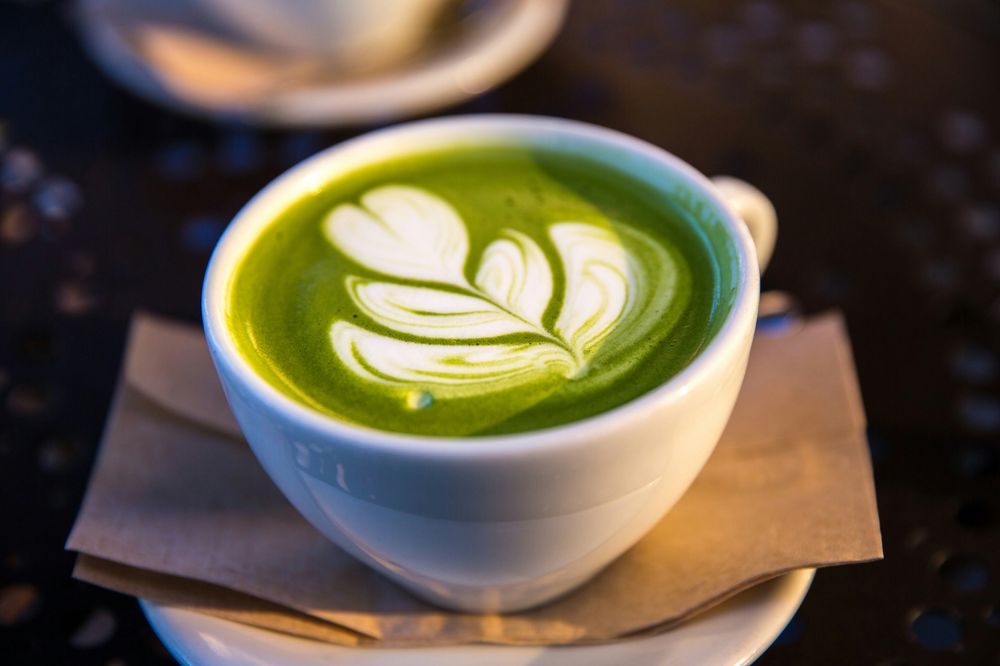
Why Canadians order it: The matcha latte has moved from a niche tea-house staple to a mainstream menu fixture across Canada, carried by wellness-driven younger consumers who see it as a cleaner alternative to coffee. Its presence at Tim Hortons, Starbucks Canada, and a growing number of independent specialty cafes in Toronto, Vancouver, and Montreal has brought it within reach of everyday Canadian ordering occasions.
What it is: A matcha latte is made by whisking ceremonial or culinary-grade Japanese green tea powder with a small amount of hot water to form a smooth paste, then combining it with steamed or cold milk. The result is a creamy, mildly earthy drink with a subtle vegetal sweetness and a gentler caffeine lift than a standard espresso-based latte. It is served both hot and iced, and is commonly sweetened with vanilla or simple syrup at chain locations.
Where to order it in Canada: Starbucks Canada, Tim Hortons, Second Cup, David's Tea, Chatime, independent specialty cafes
Typical price range: $4.29–$7.25 CAD (Tim Hortons Matcha Latte starts at approximately $4.29 CAD for a medium; Starbucks Canada hot Matcha Tea Latte at approximately $6.75 CAD; Starbucks Canada Iced Matcha Latte at approximately $7.25 CAD)
Popularity signal: According to Tastewise data on matcha menu and social media trends, matcha saw a 30.22% year-over-year increase in menu appearances across North American foodservice operators and a 107.35% year-over-year surge in social media mentions as of 2025-2026, with Canada cited as showing steady consumption growth particularly in major urban centres; separately, the National Coffee Association's Spring 2025 National Coffee Data Trends Report found that Gen Z consumers drink significantly more tea-based beverages than older generations, accelerating matcha latte adoption at chains targeting younger Canadians.
Key variations Canadians order:
Iced Matcha Latte: Matcha paste combined with cold milk over ice; the dominant format at Starbucks Canada and Tim Hortons, aligned with Canada's cold-beverage shift (21% of past-day Canadian coffee cups were cold in December 2024 vs. 10% in December 2023, per the Coffee Association of Canada)
Oat Milk Matcha Latte: Standard matcha latte prepared with oat milk instead of dairy; oat milk leads alternative milk usage across Canadian cafe transactions and is now a default customization option at Starbucks Canada and Tim Hortons for matcha drinks
Matcha Protein Latte: Matcha combined with a high-protein dairy or plant-based milk base; Tim Hortons Canada added a Matcha Protein Latte and an Iced Matcha Protein Latte to its menu in 2025, priced at approximately $5.69 CAD, targeting fitness-oriented and wellness-conscious consumers
Best for: Wellness-focused Canadians, especially Gen Z and millennial consumers, who want a lower-caffeine, visually striking alternative to espresso-based lattes.
10. Espresso

Why Canadians order it: Espresso is the foundational shot behind nearly every specialty coffee drink on Canadian cafe menus, but it is also ordered straight by a growing segment of urban Canadians who have developed a palate for concentrated, single-origin coffee through the country's expanding specialty cafe scene. As chains like Starbucks Canada and Second Cup lean further into craft espresso positioning, straight-shot orders have climbed alongside broader espresso-based drink adoption.
What it is: Espresso is a concentrated coffee beverage produced by forcing near-boiling pressurized water through finely ground coffee, typically yielding a 25–30 ml shot in 25–30 seconds. The result is a thick, syrupy liquid topped with a layer of crema, the caramel-coloured foam created by emulsified coffee oils. The flavour is bold and complex, ranging from dark chocolate and caramel to fruit and floral notes depending on the roast and origin, with a lingering, slightly bitter finish.
Where to order it in Canada: Starbucks Canada, Second Cup, Tim Hortons (espresso-based menu), McDonald's McCafe, Balzac's Coffee Roasters, Pilot Coffee, Monogram Coffee, and independent specialty cafes in Toronto, Vancouver, Montreal, and Calgary
Typical price range: $2.35–$4.95 CAD (Second Cup solo espresso at $2.35 CAD; Starbucks Canada solo espresso at approximately $3.25–$3.75 CAD; specialty cafe doppio shots ranging from $3.50–$4.95 CAD)
Key variations Canadians order:
Doppio (double shot): Two espresso shots pulled together into a single serving, roughly 50–60 ml; the standard ordering unit at most Canadian specialty cafes and the default base for customized drinks at Starbucks Canada, where customers frequently add or specify shot count
Ristretto: A shorter extraction using the same dose of grounds but roughly half the water volume, producing a sweeter, more concentrated shot with less bitterness; increasingly listed by name on specialty cafe menus in Toronto, Vancouver, and Montreal as Canadian specialty roasters expand their bar menus; in Quebec, the complementary allongé (lungo) - brewed with extra water for a milder flavour, has longstanding cultural traction
Espresso macchiato: A solo or doppio espresso "stained" with a small amount of steamed milk foam; available at Starbucks Canada and Second Cup, and a common step-up order for Canadians transitioning from milk-heavy drinks toward straight espresso
Best for: Coffee drinkers who want maximum flavour intensity in minimum volume, and foodservice operators who need a fast, consistent output drink that anchors an entire specialty menu.
11. Macchiato
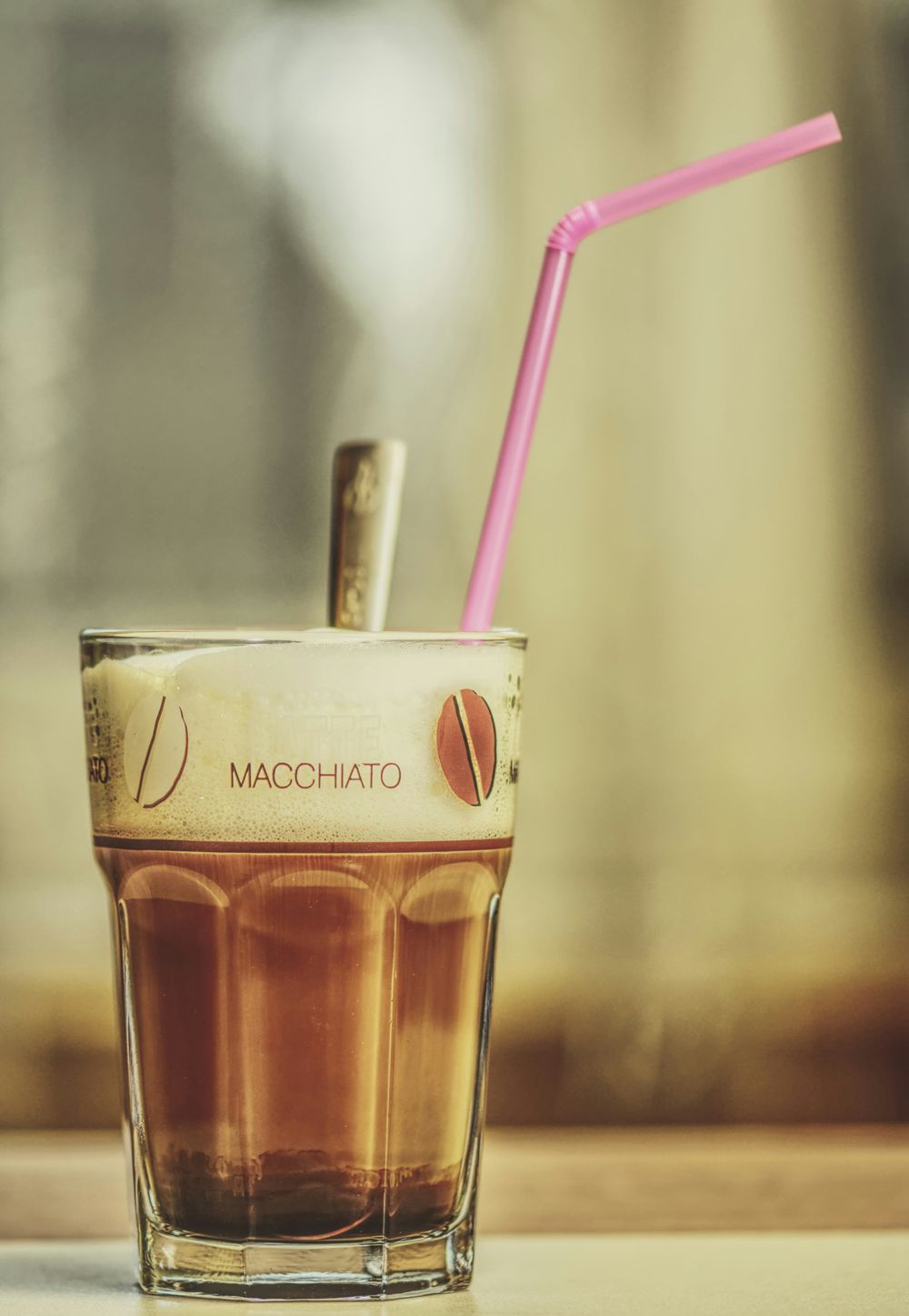
Why Canadians order it: The Starbucks Caramel Macchiato is one of the top customized espresso orders at Starbucks Canada locations, combining vanilla sweetness, steamed milk, and a caramel drizzle in a format that appeals to Canadians who want something more indulgent than a latte. Its heavy presence on Starbucks Canada menus and near-constant social media customization activity have kept it a consistent order across provinces.
What it is: A macchiato in its traditional form is a single or double espresso "stained" or "marked" with a small amount of steamed or frothed milk, producing a short, concentrated drink with a pronounced espresso flavour. The Starbucks Caramel Macchiato (the dominant version ordered in Canada) layers vanilla syrup and steamed milk in a cup, tops them with espresso shots poured through the foam, and finishes with a crosshatch caramel drizzle. This inverted layering creates a visually distinct drink that blends sweet, milky, and bitter notes in each sip.
Where to order it in Canada: Starbucks Canada, Second Cup, independent specialty cafes, select McDonald's McCafe locations
Typical price range: $4.85–$6.25 CAD (Starbucks Canada hot Caramel Macchiato: Short $4.85 / Tall $4.95 / Grande $5.45 / Venti $5.75; Iced Caramel Macchiato: Tall $5.25 / Grande $5.65 / Venti $6.25)
Popularity signal: The Caramel Macchiato is cited as a top daily seller across Starbucks globally, contributing to the 5 million drinks Starbucks serves daily, with the cold espresso category (which includes the Iced Caramel Macchiato) growing 13% year-over-year as of late 2024; a CasinosHunter study of 74 popular Canadian coffee types ranked macchiato among the national top-10 coffee orders.
Key variations Canadians order:
Iced Caramel Macchiato: The cold version served over ice with the same vanilla syrup, milk, espresso, and caramel drizzle layering; consistently the more popular format at Starbucks Canada given the structural shift toward cold coffee (21% of Canadian past-day cups were cold in December 2024, up from 10% in December 2023)
Upside-Down Caramel Macchiato: A popular Starbucks Canada customization where the drink is built in reverse (caramel drizzle at the bottom, espresso poured first, then milk), resulting in a sweeter, more espresso-forward taste; widely ordered through the Starbucks app
Espresso Macchiato: The traditional short-form macchiato with one or two espresso shots marked with a dollop of steamed milk foam; available at Starbucks Canada and most specialty cafes as a distinct menu item for espresso-forward drinkers
Best for: Canadians who want a sweet, layered espresso drink with more structure and visual appeal than a standard latte, particularly those who customize orders through the Starbucks app.
12. Mocha

Why Canadians order it: The mocha sits at the intersection of coffee and dessert, combining espresso's roasted depth with rich chocolate syrup and steamed milk, making it one of the most approachable and consistently ordered espresso drinks across Canadian chains. It holds particular appeal for younger Canadian drinkers who lean toward sweet, indulgent coffee formats as part of the broader "little treat" ordering culture that has driven specialty coffee growth nationally.
What it is: A mocha is an espresso-based drink made by combining one or two shots of espresso with chocolate sauce or syrup, steamed milk, and typically a topping of whipped cream and chocolate drizzle. The chocolate tempers the bitterness of espresso while adding sweetness and body, creating a drink that sits between a latte and a hot chocolate in flavour profile. At Canadian chains it is served hot, iced, or blended, in sizes from small to extra-large.
Where to order it in Canada: Tim Hortons, Starbucks Canada, McDonald's McCafe, Second Cup, Balzac's Coffee Roasters, local independent cafes
Typical price range: $2.69–$7.75 CAD (Tim Hortons Coffee Mocha medium at approximately $2.69–$2.99; Starbucks Canada Caffe Mocha Grande at approximately $7.25; McDonald's McCafe mocha in the $4–$5.99 range)
Key variations Canadians order:
White Chocolate Mocha: Espresso with white chocolate sauce and steamed milk instead of dark chocolate; one of Starbucks Canada's most customized orders, available hot or iced; Grande priced at approximately $7.45–$7.75 CAD
Iced Mocha: Standard mocha construction served cold over ice; available at Tim Hortons and Starbucks Canada year-round; aligned with the national cold-coffee shift: 21% of past-day Canadian cups were cold in December 2024 vs. 10% in December 2023 (Coffee Association of Canada)
Mocha Frappuccino / Blended Mocha: Chocolate-coffee blend with ice, milk, and whipped cream blended together; a Starbucks Canada signature and a perennial warm-weather order; also available as a seasonal variant at Second Cup Canada
Best for: Canadians who want a sweeter, more indulgent espresso drink than a latte, especially those new to specialty coffee or ordering as an everyday treat.
13. London Fog
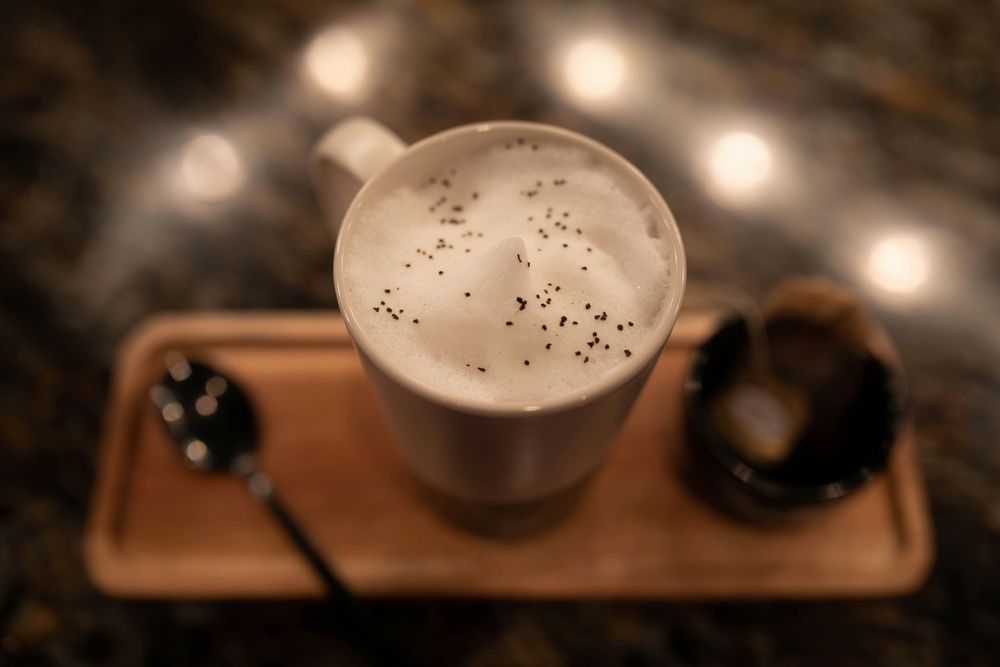
Why Canadians order it: The London Fog holds a special place in Canadian cafe culture as one of the few major cafe drinks that was actually invented in Canada, born from a Vancouver pregnancy craving in the mid-1990s and now on permanent menus at Starbucks, Second Cup, and Tim Hortons coast to coast. Its gentle blend of Earl Grey, steamed milk, and vanilla makes it a go-to for non-coffee drinkers and tea loyalists who still want a warm, cafe-style experience.
What it is: A London Fog is a tea latte built on a base of steeped Earl Grey tea - a black tea scented with bergamot oil, combined with steamed milk and vanilla syrup, finished with a thin layer of milk foam. The bergamot gives it a lightly floral, citrusy aroma while the vanilla rounds out the flavour into something warming and subtly sweet. It is served hot at most Canadian cafes, though iced versions have grown in popularity, particularly in summer months.
Where to order it in Canada: Starbucks Canada, Second Cup, Tim Hortons, local independent cafes, Balzac's Coffee Roasters, Pilot Coffee, Denman Island Tea Company
Typical price range: $3.59–$5.95 CAD (Tim Hortons small starts at approximately $3.59; Starbucks Canada Grande ranges from approximately $5.45–$5.95; Second Cup approximately $5.65 at Ottawa locations)
Popularity signal: The London Fog's Canadian origin is recognized internationally, in Scotland the drink is called the "Vancouver Fog", and it has been a permanent fixture on the Starbucks Canada menu since the early 2000s, reflecting sustained national demand that spans from its BC birthplace into Alberta, Ontario, and beyond.
Key variations Canadians order:
Iced London Fog: Earl Grey tea concentrate over ice with cold milk and vanilla syrup, available at Starbucks Canada year-round and popular during warmer months
Lavender London Fog: Adds lavender syrup alongside or in place of vanilla, a common customization at independent cafes across BC and Ontario
Oat milk London Fog: The same build with oat milk substituted for dairy, widely available at Starbucks Canada and most independents, and the most-requested plant-based variation
Best for: Tea drinkers, those avoiding coffee, and anyone who wants a warm, aromatic cafe drink with a gentle caffeine lift from Earl Grey.
14. Cortado

Why Canadians order it: Espresso-forward drinkers across Canada's third-wave cafe scene gravitate toward the cortado when they want the intensity of a straight shot smoothed out just enough by steamed milk, without the dilution of a latte or cappuccino. The format's compact 4 oz size and strict 1:1 espresso-to-milk ratio make it a favourite at specialty independents in Toronto, Vancouver, and Montreal, and its mainstream arrival at Starbucks Canada in January 2025 extended its reach well beyond the specialty niche.
What it is: A cortado is a small espresso-based drink, typically 4 oz (120 ml), built from a double espresso shot "cut" with an equal volume of gently steamed whole milk, a preparation whose name comes from the Spanish verb cortar, meaning to cut. The milk is steamed to a silky, low-foam texture rather than the frothy cap of a cappuccino, which keeps the espresso flavour front and centre while rounding off acidity and bitterness. It is traditionally served in a small glass and contains no added syrups or flavourings in its classic form.
Where to order it in Canada: Pilot Coffee Roasters (Toronto), 49th Parallel Coffee (Vancouver), Nemesis Coffee (Vancouver), Monogram Coffee (Calgary), Rabbit Hole Roasters (Montreal), Cafe Saint-Henri (Montreal), Starbucks Canada (nationwide)
Typical price range: $4.45 - $6.50 CAD (Starbucks Canada cortado starts at $4.45; independent specialty cafes typically $5.00 - $6.50)
Popularity signal: Research from the Coffee Association of Canada shows 30% of Canadian adults consumed an espresso-based drink in the past day as of 2025, reflecting a sustained shift toward espresso-forward formats like the cortado, and Starbucks Canada's permanent addition of the cortado to its national menu in January 2025 confirmed the drink's growth beyond the specialty coffee circuit.
Key variations Canadians order:
Brown Sugar Oat Cortado: Starbucks Canada's non-dairy variation featuring Blonde Espresso ristretto shots, oat milk, brown sugar syrup, and a dash of cinnamon; priced at $4.95 CAD and available at all Canadian locations
Gibraltar: The specialty-cafe name for the same 1:1 espresso-to-milk format when served in a Libbey Gibraltar glass, common at third-wave independents in Vancouver and Toronto where the term signals craft-bar positioning
Oat Milk Cortado: A dairy-free version of the classic using steamed oat milk in place of whole milk, widely available at specialty cafes across major Canadian cities catering to the growing plant-based preference among urban coffee drinkers
Best for: Espresso enthusiasts who want a short, bold drink with just enough milk to soften the edge, without the sweetness or volume of a latte.
15. Dalgona Coffee
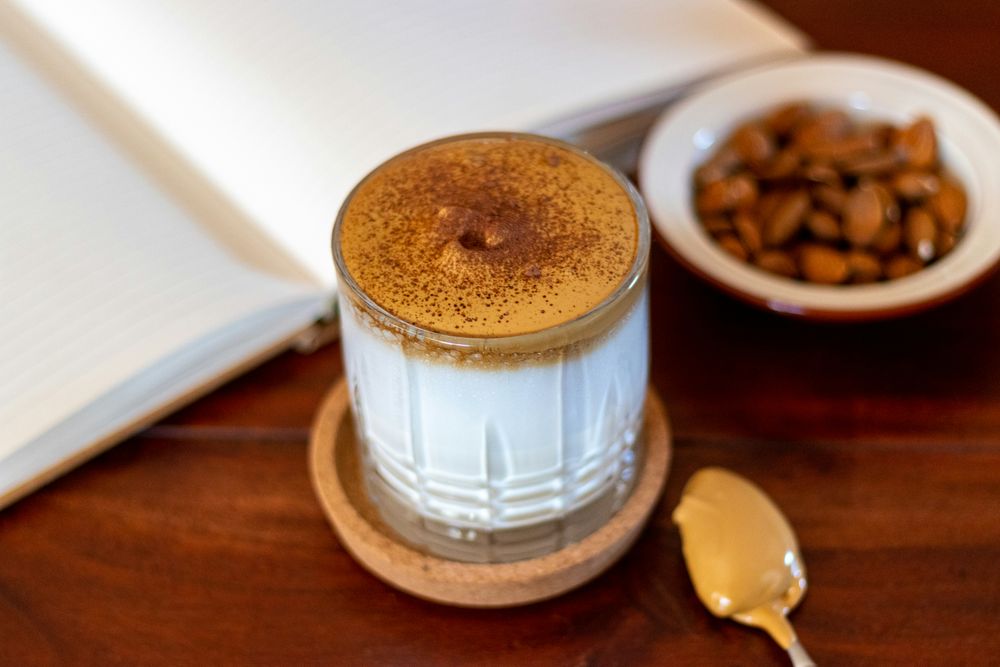
Why Canadians order it: Dalgona coffee became a cultural touchstone during the 2020 pandemic lockdowns, and its visual drama, a thick whipped coffee cloud floating over cold milk - has kept it on cafe menus and social feeds ever since. Canadians who discovered it as a DIY quarantine project now seek it out at specialty cafes as a treat they no longer have to make themselves.
What it is: Dalgona coffee is made by whipping equal parts instant coffee, sugar, and hot water into a thick, airy foam, then spooning that foam over a glass of cold or hot milk. The name comes from South Korean actor Jung Il-woo, who likened the drink's taste to dalgona, a Korean honeycomb toffee candy, during a January 2020 TV appearance. The contrast between the bitter whipped coffee top and the sweet cold milk underneath is the defining flavour experience.
Where to order it in Canada: Forget Me Not Cafe (Toronto), Cafe Daon (Toronto), Forest Cafe (Toronto), Basak Cafe (Vancouver area), Gowon Cafe (Vancouver/Gastown), Broye Cafe and Bakery (Ontario), Snowy Village (multiple Canadian locations), Dabang Coffee Cafe (Edmonton)
Typical price range: $6.50 to $8.50 CAD
Popularity signal: Google Trends Canada data shows "dalgona coffee" hit a peak interest score of 100 in April 2020, its all-time high, and has transitioned from viral moment to established menu item.
Key variations Canadians order:
Matcha dalgona: whipped matcha foam replacing or layered alongside the coffee whip, served over oat or almond milk
Dalgona coffee boba: whipped coffee foam floated over milk tea with tapioca pearls, a format popularized by bubble tea cafes including Snowy Village
Spiced dalgona: whipped coffee infused with cinnamon, cardamom, or chai spices, popular as a fall and winter seasonal variation
Best for: Anyone who wants a visually striking, Instagram-ready coffee with a satisfying contrast between a rich bitter foam and sweet cold milk, ideal for leisurely cafe visits or a weekend treat.
What This Means for Foodservice Operators
The data behind this list carries concrete implications for Canadian foodservice operators navigating coffee culture Canada has built around chain-dominant ordering habits. Espresso-based drinks now account for the daily cup of nearly one in three Canadians, and cold formats have shifted permanently: an operation that treats iced drinks as a seasonal add-on is already behind. The cold coffee data from the Coffee Association of Canada (21% of all past-day cups cold in December 2024) means cold brew, iced lattes, and frozen blended drinks belong on year-round menus, not just summer rotations.

For operators evaluating equipment, the drinks on this list divide cleanly into three production tracks. High-volume brewed coffee programs (Double-Double, drip formats) require reliable commercial batch brewers with consistent temperature and ratio control. Espresso-based drinks across the top of this list: lattes, Americanos, cappuccinos, flat whites, cortados, all require a commercial espresso machine with a capable steam wand; high-throughput locations benefit from super-automatic machines like the Franke A-series that eliminate barista variability without sacrificing extraction quality. Cold brew requires its own dedicated production infrastructure: a Toddy Commercial brewer or rapid-extraction unit, refrigerated holding, and a separate service line. According to the Coffee Association of Canada, cold coffee grew from 10% of past-day cups in December 2023 to 21% in December 2024, and Fortune Business Insights projects continued global cold brew market expansion with North America accounting for the largest share of that demand.
Plant-based milk is not optional. Oat milk leads alternative milk transactions across Canadian cafe platforms and drives the most common customizations across lattes, matcha lattes, cappuccinos, and cortados. Operators who want to capture that volume need a machine with separate milk circuits or clean-flush capability between dairy and non-dairy steaming to prevent flavour carryover. For a full comparison of commercial espresso equipment suited to the Canadian market, TFI Canada's guide to the best commercial coffee machines for restaurants covers the specs that matter for each production volume tier.
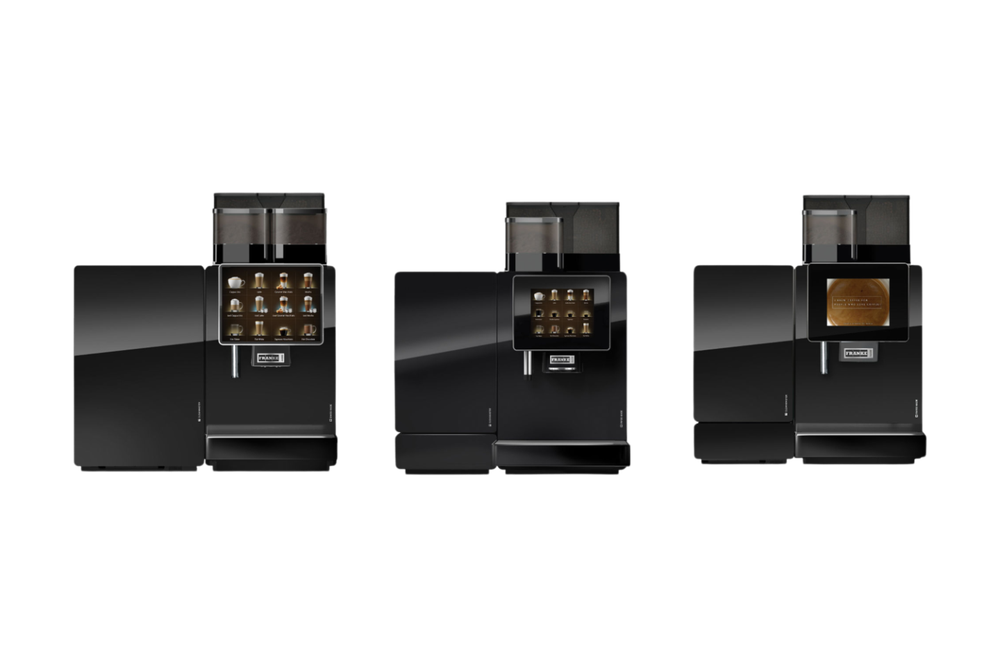
Ready to spec the equipment behind any of these 15 drinks for your operation? Request a custom quote from TFI Canada for Franke super-automatic coffee machines, with restaurant equipment financing and 6 to 12 month payback timelines.
Frequently Asked Questions About Canadian Coffee
What is the most popular coffee in Canada?
The latte is the most popular espresso-based coffee drink in Canada, with Google Trends data showing it consistently outranks all other coffee types at an average index of 70 out of 100. The Double-Double holds the title of Canada's most-ordered brewed coffee, confirmed as the single top order at Tim Hortons across 2024. According to the Coffee Association of Canada, 74% of Canadians drink coffee daily, placing Canada among the highest per-capita coffee-consuming countries in the world.
What is the famous Canadian coffee drink?
The Double-Double is Canada's most iconic coffee term, referring to a Tim Hortons brewed coffee made with two creams and two sugars. The phrase became so embedded in Canadian culture that it was added to the Canadian Oxford Dictionary in 2004 as an official noun. The London Fog is the other major cafe drink with a Canadian origin, invented in Vancouver in the mid-1990s and now carried on permanent menus at Starbucks Canada, Second Cup, and Tim Hortons nationwide. No other country has independently developed both a chain-specific coffee shorthand and a tea latte format that became internationally recognized.
What coffee do Canadians drink most at Tim Hortons?
The Double-Double is Tim Hortons' single most ordered item, confirmed by the chain's 2024 year-end data across all Canadian locations. The Triple Triple and Regular (Single Single) are the closest variants for customers who want to adjust sweetness and cream levels without leaving the Tim Hortons brewed coffee family.
Among cold Tim Hortons drinks, the Original Iced Capp leads the category. It averages 14,800 monthly searches in Canada and spiked to 40,500 searches in February 2026, making it the highest-volume Canadian coffee keyword in this research.
What are the top 5 most popular coffees in Canada?
Based on Google Trends dominance, Tim Hortons confirmed order data, and Coffee Association of Canada espresso-drink consumption statistics, the top five are: the latte (Google Trends Canada avg index 70/100), the Double-Double (Tim Hortons' confirmed top order in 2024), the Iced Capp (highest-volume Canadian coffee search keyword at 14,800 average monthly searches), the cappuccino (ranked third in CasinosHunter's provincial study of 74 Canadian coffee orders), and cold brew (fastest-growing cold format, driven by the cold coffee shift from 10% to 21% of past-day cups between December 2023 and December 2024).
Is iced coffee popular in Canada year-round?
Yes. Cold coffee accounted for 21% of all past-day Canadian cups consumed in December 2024, more than double the 10% recorded in December 2023, according to Coffee Association of Canada data. Cold brew Canada demand no longer follows a warm-weather seasonal pattern, and iced lattes maintain elevated Google Trends interest from June through September with a sustained baseline throughout winter. The structural shift toward cold formats is permanent: Tim Hortons and Starbucks Canada have both expanded their year-round cold brew and iced espresso lineups in response to this data.
How much caffeine is in a cup of coffee in Canada?
A standard Tim Hortons medium brewed coffee contains approximately 140 mg of caffeine. A double espresso shot (doppio), which forms the base of most lattes, cappuccinos, and Americanos at Canadian chains, contains roughly 120 to 140 mg of caffeine depending on the roast and extraction parameters. Cold brew typically runs higher, at 150 to 200 mg per serving, because the extended steeping process extracts more caffeine from the grounds. Chain sizing affects totals significantly: a Starbucks Venti iced drink often contains three or more espresso shots, which can push the caffeine content above 200 mg in a single cup.
Conclusion
The 15 drinks on this list reflect how Canadians actually order coffee in 2026: lattes and espresso drinks lead the top of the menu, the Double-Double anchors the mass market, and cold formats now hold steady year-round rather than peaking with the weather.
For consumers, price and chain coverage decide most orders. The Double-Double and cold brew win on value at $1.83 to $6.95, while cortados and flat whites land in the $4.45 to $6.50 range. The latte stays the safest default for anyone who wants espresso depth with full customization at every chain.
For foodservice operators, the build order is straightforward. Get espresso-milk consistency right first, because lattes, cappuccinos, flat whites, and Americanos drive the bulk of specialty volume. Add a year-round cold coffee program next, because the Coffee Association of Canada cold-cup share doubled from 10% in December 2023 to 21% in December 2024. Then extend into matcha lattes and cortados to capture the younger, higher-spend urban customer.
TFI Canada supplies the commercial equipment behind every drink on this list, with installation and service across Ontario and Atlantic Canada. That includes Franke super-automatic espresso machines at 80%+ gross profit and 6 to 12 month payback, Taylor frozen beverage systems for Iced Capp-style drinks at 70 to 80% gross profit.
Browse TFI Canada's commercial coffee equipment lineup, request a quote with flexible financing to spec the right setup for your operation, or start with restaurant equipment rental on a used or demo machine.

Nicole Camposeo-Cheung is the Director of Marketing, People & Culture at TFI Food Equipment Solutions, Canada’s leading provider of premium commercial foodservice equipment. She combines her expertise in business management and fashion arts to foster a dynamic, innovative, and people-centric corporate culture. Passionate about empowering teams, building strong client relationships, and driving growth through creativity and collaboration, Nicole plays a key role in shaping TFI’s brand and workplace culture. She also shares her industry expertise and insights through the TFI blog, helping foodservice professionals stay informed about the latest trends, best practices, and innovations in commercial food equipment.
Add a comment
This will be publicly visible.
Your email address will not be published.
Your comment will be reviewed by an admin before it is published.


