
How to Build a Profitable Convenience Store Beverage Program in Canada
A step-by-step guide to building a profitable convenience store beverage programme in Canada, from slush machine selection and self-serve coffee to merchandising, ROI tracking, and equipment financing.

A profitable convenience store beverage programme in Canada starts with two pillars: a high-visibility frozen beverage platform and a dependable self-serve hot beverage station. Together, these categories form one of the strongest margin engines available to Canadian c-store operators.
According to the NACS State of the Industry Report, foodservice (which includes dispensed beverages) accounts for 39.6% of in-store gross margin dollars at convenience stores while representing only 28.7% of in-store sales. Frozen beverages are a major driver of that margin gap, with well-run slush programmes routinely generating 70 to 80% gross profit and premium self-serve coffee programmes delivering 80%+ gross profit with payback in 6 to 12 months.
Looking to launch or upgrade your c-store beverage programme? Request a free equipment consultation from TFI's team in Ontario or Atlantic Canada.
Why Beverages Are the Highest-Margin Category in Canadian Convenience Retail
Canada's convenience store industry generates $11.3 billion in annual revenue, and 60% of Canadians visit a c-store at least once a week. That traffic creates a repeatable opportunity, but only if operators stock categories that convert foot traffic into profit. Packaged beverages move volume, but dispensed beverages move margin.
The difference is significant. A bottled soft drink might yield 35 to 45% gross profit. A dispensed frozen beverage from the same store typically delivers 60 to 80% gross profit, because the cost per serving (mix, cup, lid, straw) sits between $0.30 and $0.50 while selling prices range from $3.00 to $5.00. Industry data from the NACS 2023 State of the Industry Report shows frozen dispensed beverages averaged 64.12% gross margin across North American convenience stores.
Frozen beverages are among the highest-margin categories in convenience retail, routinely delivering 60 to 80% gross profit per cup while requiring minimal labour to operate.
That is why the strongest Canadian operators do not treat a slush machine as a standalone purchase. They build a full beverage programme around margin, throughput, impulse appeal, and uptime.

What a Profitable C-Store Beverage Programme Looks Like
The most profitable programmes layer beverages in tiers, each solving a different commercial problem:
Core frozen drinks for visibility and impulse purchases. Slush and frozen beverages are visual traffic drivers that sell before a customer reaches the counter.
Self-serve coffee for daily repeat traffic. Coffee builds habitual visits across morning and midday dayparts, creating all-day revenue.
Premium add-ons such as flavour upgrades, larger cup sizes, or seasonal limited-time beverages. These increase average ticket without adding labour.
A maintenance and service plan that protects uptime during peak periods, because margin disappears when equipment is down.
This layered approach creates stronger c-store beverage programme ROI than any single category alone. Frozen drinks pull impulse traffic. Coffee builds frequency. Add-ons lift ticket size. Service protects all three. Operators who build this kind of programme also benefit from cross-selling: a customer who walks in for a morning coffee may grab a slush on a return visit, and vice versa. The consumer food trends shaping Canada confirm that convenience shoppers increasingly expect quality dispensed beverages alongside traditional packaged options.
Start with the Highest-Margin Driver: A Commercial Slush Machine
For most Canadian c-stores, frozen beverages should anchor the programme. The economics are hard to match: bright, merchandised bowls attract impulse purchases; labour is minimal once the machine is filled and set; product cost is modest compared with selling price; and frozen beverages sell year-round in Canada, not just in summer. The global frozen drinks market reached USD 40.4 billion in 2024 and is growing at a 6.4% compound annual growth rate through 2031, confirming sustained consumer demand.
TFI Food Equipment Solutions supplies commercial slush machines from both Taylor and ICETRO, and its convenience store customers consistently report programmes delivering 70 to 80% gross profit with equipment payback in 6 to 18 months at high-traffic locations.
Which Slush Machine Setup Makes the Most Sense?
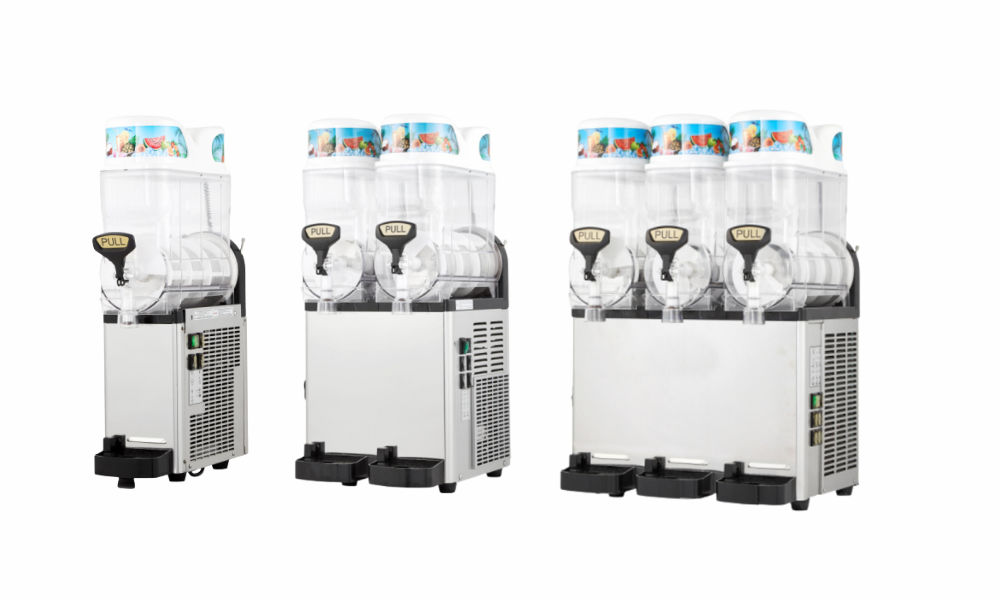
For most convenience stores, a two-bowl or three-bowl machine gives the best balance of variety, customer appeal, and throughput. The right format depends on your menu and traffic pattern.
Carbonated frozen beverage equipment suits operators who want frozen soda-style drinks, premium texture, heavy daily traffic, and a branded national-programme feel. The Taylor Model 349 Frozen Carbonated Beverage Freezer is built for this application.
Uncarbonated slush equipment suits operators who want classic slush flavours, smoothies, frozen coffee, iced tea, or juice-based drinks with broader menu flexibility. Taylor Models 340, 341, 342, 384, and 390 handle uncarbonated beverages, while Models 428, 430, and 432 serve high-capacity frozen beverage operations.
For a detailed comparison of equipment types, configurations, and profit potential, see the full slush machine guide for Canadian c-stores.

Taylor or Icetro?
This decision comes down to programme fit, not brand loyalty.
Taylor slush machines are the established standard for high-volume convenience retail, with carbonated and uncarbonated options, fast recovery, and formats built for all-day demand.
Icetro slush machines are strong for operators who want durable frozen beverage performance, flexible one-to-three barrel layouts, and technician-friendly serviceability with fast freeze cycles and durable gear motors.
The right question is not "Which brand is better?" It is "Which platform matches your beverage menu, store volume, available power, cleaning capacity, and service plan?"
Add a Second Margin Engine: Self-Serve Coffee
If frozen drinks are your visual traffic magnet, coffee is your frequency play. Coffee trends in Canada confirm that cold and hot coffee consumption continues to grow, and self-serve formats reduce labour pressure while increasing average checks.
Premium self-serve coffee programmes earn 80%+ gross profit with 6 to 12 month payback when machine capacity matches store volume. That makes coffee the logical second phase of a c-store beverage programme, especially for stores serving commuters, office traffic, or early morning fuel customers.
TFI's self-serve portfolio for this category includes Franke self-service commercial coffee machines (A Series and S Series super-automatic bean-to-cup systems), alongside Taylor frozen beverage stations and support services.
Premium self-serve coffee programmes can deliver 80%+ gross profit with payback in 6 to 12 months, making coffee the strongest frequency driver in a layered c-store beverage programme.
In practice, this creates a resilient daypart mix: self-serve coffee dominates the morning; frozen beverages dominate warm afternoons; and impulse-led slush and specialty drinks carry late-day and weekend traffic. That kind of coverage is what turns beverage equipment into a true profit centre.

Build the Programme for Margin, Not Just Variety
A profitable beverage programme is designed, not improvised. LED-lit bowls, bright colours, and motion help frozen beverage equipment convert impulse purchases, while digital prompts, upsell screens, and drink customisation tools increase basket size at self-serve coffee stations.
Here is the practical framework for Canadian c-store operators:
1. Keep the Menu Simple
Too many flavours create inventory drag and slow resets. Start with two or three top performers and add seasonal or regional flavours only when the base programme is consistent.
2. Merchandise for Visibility
Place frozen beverages where customers can see them from the entrance or queue. Slush sells visually before it sells verbally.
3. Use Price Ladders
Small, medium, and large sizes create natural upsell paths. The same applies to flavour boosts, combo pricing, and meal-deal attachments.
4. Plan by Daypart
Coffee should dominate the morning. Frozen beverages should dominate warm afternoons, student traffic, and after-school windows. Seasonal rotation keeps the station fresh without forcing a complete rebuild.
5. Think Like a Programme Operator, Not a Machine Buyer
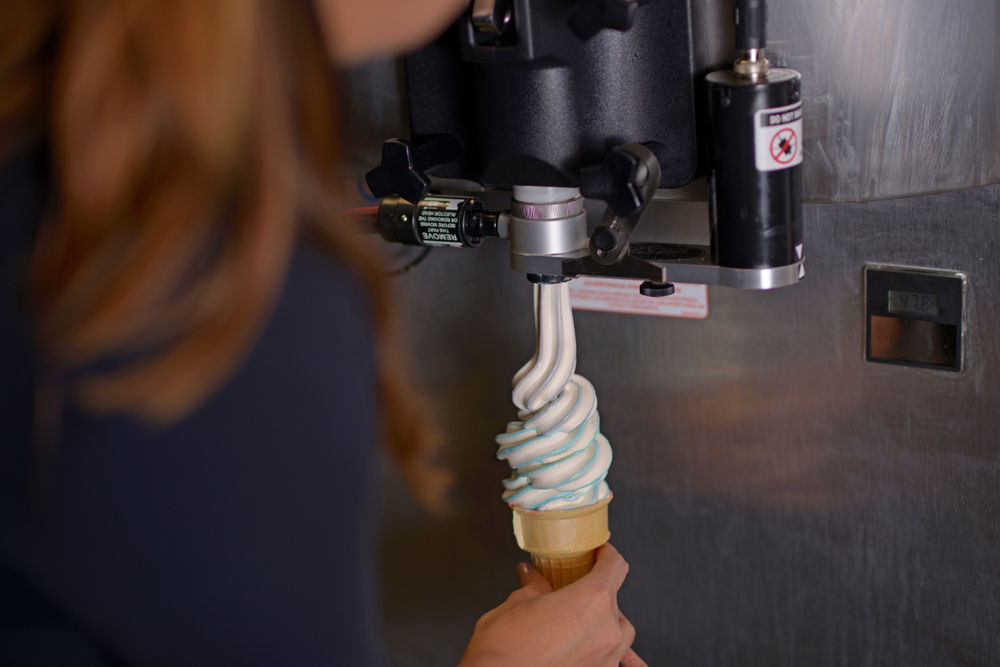
The real KPI is not "machine installed." It is cups per day, gross profit per cup, spoilage control, cleaning compliance, and uptime. Operators who track these metrics outperform those who simply turn the machine on and hope for the best. Soft serve is another high-margin frozen category worth considering alongside slush; for a deeper look at the economics, see TFI's guide on the benefits of selling soft serve ice cream.
How to Think About C-Store Beverage Programme ROI
The easiest mistake is looking only at machine price. A smarter evaluation tracks:
Daily cups sold across frozen and coffee stations
Average selling price per cup, by size and category
Gross profit per cup after product cost
Waste and shrink from overproduction or expired mix
Labour minutes required per shift for refilling, cleaning, and changeovers
Service downtime hours per month
Financing or rental cost amortised per cup
Add-on sales influenced by the beverage station (snacks, combos, upsells)
The headline economics are clear: slush programmes often generate 70 to 80% gross profit with equipment payback in 6 to 18 months at high-traffic sites, while premium coffee programmes deliver 80%+ gross profit with payback in 6 to 12 months. A store selling 100 frozen beverages per day at an average price of $3.50 and 70% gross profit generates roughly $245 in daily gross profit from a single category, which adds up to over $89,000 annually before accounting for labour or service costs.
So the question is not whether beverages can be profitable. It is whether your store has the right traffic, equipment format, merchandising, maintenance discipline, and support partner to capture that margin. For operators exploring the broader food menu trends shaping Canadian foodservice, frozen and dispensed beverages consistently rank among the highest-return categories.
Protect Your Profit with Service and Maintenance
High-margin beverages stay high-margin only when equipment is clean, consistent, and available during peak hours. This is where many stores lose the margin they thought they were buying.
TFI provides commercial kitchen equipment repair for slush machines, frozen beverage systems, soft-serve machines, coffee machines, and other hot and cold equipment. Over 100 experienced professionals, each averaging nearly 10 years of tenure, deliver fast and reliable service using genuine OEM parts. Technicians are factory-trained and maintain factory-certified badges renewed annually.
For operators who want a more predictable support model, TFI Total Care includes reactive service calls, planned maintenance visits, parts mailers, feedback and troubleshooting, year-round training sessions, and no overtime charges.
Beverage programmes break down in ordinary ways, not dramatic ones. Inconsistent freezing, poor sanitation routines, delayed service calls, and avoidable downtime erode your slush machine profit margin much faster than most operators expect. A machine that sits offline during a Friday afternoon rush does not just lose that day's sales; it trains customers to stop looking for frozen beverages at your location. If uptime matters, service should be part of the business case from day one. For a closer look at how TFI's repair network compares to alternatives, see the guide to the best restaurant equipment repair in Ontario.
Reduce Upfront Cost with Leasing, Rentals, or Used Equipment
Not every store wants to buy new equipment outright. TFI gives operators multiple paths to launch or expand a beverage programme without tying up unnecessary capital.
Leasing and financing: Quick approvals, low monthly payments, lease-to-own options, and terms from 12 to 60 months. Many applications are approved within 24 hours.
Rentals: TFI's commercial food equipment rentals programme offers used and demo units with affordable monthly payments and terms ranging from month-to-month to 12 to 60 months. This is a practical option for pilots, seasonal demand, or locations that want to prove velocity before committing to ownership.
Certified used equipment: For stores that want a lower entry point, TFI also offers certified used inventory, which can make sense for secondary locations, budget-sensitive rollouts, or fast replacements.
Ontario and Atlantic Canada: Regional Considerations
TFI serves operators across Ontario, Nova Scotia, New Brunswick, Prince Edward Island, and Newfoundland and Labrador, and the beverage opportunity differs by region.
Ontario operators in the GTA, Mississauga, and southern Ontario benefit from high population density and year-round foot traffic. Urban c-stores near transit hubs, universities, and office districts see strong coffee and frozen beverage performance across all dayparts. TFI's Mississauga showroom is available for equipment demos and consultations.
Atlantic Canada operators in Halifax, Moncton, Dartmouth, Charlottetown, and St. John's serve a mix of commuter traffic, tourist trade, and local regulars. Seasonal demand spikes for frozen beverages are more pronounced in summer, but year-round coffee programmes perform consistently. TFI's Dartmouth location provides regional service and support.
Whether a store operates in downtown Toronto or rural New Brunswick, TFI's service model is built to minimise downtime and protect the margin that makes a beverage programme worth running in the first place.
Canadian c-store operators who combine frozen beverages and self-serve coffee under a single equipment and service partner simplify procurement, reduce response times, and protect margin across both categories.
Beverage Programme Cheat Sheet
Programme Element | What to Do | Equipment or Programme Action |
|---|---|---|
Frozen drinks (core) | Install two-to-three-bowl slush machine in a high-visibility spot | Taylor or Icetro slush machines; programmes deliver 70-80% gross profit |
Self-serve coffee | Add a super-automatic bean-to-cup system for morning and midday traffic | Franke A Series or S Series coffee machines; 80%+ gross profit, 6-12mo payback |
Upsell strategy | Offer size upgrades, flavour boosts, and combo pricing | Price ladders and digital prompts increase average ticket |
Daypart coverage | Plan coffee for mornings, frozen drinks for afternoons, seasonal rotation for variety | Full-day beverage revenue with minimal menu overlap |
Maintenance | Protect uptime with planned service and OEM parts | TFI Total Care programme with no overtime charges |
Financing | Reduce upfront capital with leasing, rentals, or certified used equipment | Equipment rentals from month-to-month to 60-month terms |
Frequently Asked Questions
Are slushie machines profitable for convenience stores?
Yes. Frozen beverage programmes are among the most profitable menu categories available to Canadian convenience store operators. Product cost per 16 oz serving typically sits between $0.30 and $0.50, while selling prices range from $3.00 to $5.00, producing gross profit margins of 60 to 80%. High-traffic locations can generate hundreds of dollars in daily frozen beverage revenue with minimal labour.
What is the profit margin on a slushie?
Typical slush profit margins range from 60 to 80% gross profit, depending on cup size, recipe, and pricing strategy. Well-run programmes using Taylor or Icetro equipment routinely achieve 70 to 80% gross profit, with equipment payback in 6 to 18 months at busy locations.
What is the average profit margin for a convenience store?
Overall convenience store net profit margins typically range from 2 to 5%, according to industry benchmarks. However, individual product categories vary widely. Dispensed frozen beverages and self-serve coffee are among the highest-margin categories, often exceeding 60% gross profit, which is why adding or improving a beverage programme can meaningfully lift a store's overall profitability.
Is coffee worth adding to a c-store beverage programme?
In most cases, yes. Premium self-serve coffee programmes can earn 80%+ gross profit with 6 to 12 month payback when volume is matched to machine capacity. Coffee also builds habitual daily visits, creating repeat traffic that benefits the entire store.
How can I reduce the upfront cost of launching a beverage programme?
TFI offers leasing, financing, equipment rentals, and certified used options. Leasing terms range from 12 to 60 months with approvals often completed within 24 hours. Rentals are available on a month-to-month basis, which is ideal for seasonal pilots or locations testing velocity before committing to ownership.
Take the Next Step
Whether you are launching a new beverage programme or upgrading an existing one, TFI's team can help you match the right Taylor slush machines, Icetro frozen beverage equipment, and Franke coffee systems to your store's volume, layout, and profit goals. With over 60 years serving Canadian foodservice and equipment installed in more than 94% of the country's convenience store chains, TFI is the partner operators trust to make beverage programmes work.
Ask for an equipment demo in Mississauga or Dartmouth, or request a free quote today.

Nicole Camposeo-Cheung is the Director of Marketing, People & Culture at TFI Food Equipment Solutions, Canada’s leading provider of premium commercial foodservice equipment. She combines her expertise in business management and fashion arts to foster a dynamic, innovative, and people-centric corporate culture. Passionate about empowering teams, building strong client relationships, and driving growth through creativity and collaboration, Nicole plays a key role in shaping TFI’s brand and workplace culture. She also shares her industry expertise and insights through the TFI blog, helping foodservice professionals stay informed about the latest trends, best practices, and innovations in commercial food equipment.
Add a comment
This will be publicly visible.
Your email address will not be published.
Your comment will be reviewed by an admin before it is published.


