Winter Food Trends in Canada 2026-27: Data-Backed Guide
Winter 2026-27 data for Canadian operators: what Canadians eat and drink from December to February, the flavours and dates that drive traffic, and the equipment that protects margin.

Last updated: October 22, 2026
Winter food trends in Canada for 2026-27 come down to comfort, warm drinks and planned occasions. Canadian food service sales have risen for the seventh consecutive month, reaching $8.9 billion in July 2026, yet Restaurants Canada expects real foodservice sales to grow just 1.5% in 2026. Dalhousie forecast food prices would rise 4% to 6% in 2026, though grocery inflation slowed to 1.7% in September. Canadians are still eating out in winter. They are choosing their moments more carefully. This guide breaks down what Canadians eat and drink from December to February, the flavours carrying the season, the traffic calendar from Christmas to Family Day, and the equipment that turns winter demand into margin.
Planning a winter menu or a holiday-season equipment upgrade? Request a free consultation from TFI's team in Ontario or Atlantic Canada.
Real foodservice sales are forecast to grow just 1.5% in 2026, and costs are still outpacing sales. Winter menus that add price without adding labour minutes are how operators protect margin from the holiday peak through the post-holiday January.
1) The Big Winter Food Trends in Canada for 2026-27
Winter 2026-27 in Canadian foodservice is defined by comfort-first dinners, hot drinks that go beyond coffee, careful spending, and a dry, low-alcohol January.
Comfort and creamy lead the dinner menu. In Tastewise's Canadian consumer panel, comfort is up 97.9% as a dinner claim, creamy is up 93.8%, and seasonal dinner claims are up 48.9%. Winter is when those signals turn into orders.
Tea climbs as the weather turns. In the Coffee Association of Canada's Winter 2025 study, 49% of Canadians drank tea the previous day, up 9 percentage points from June, while coffee held steady at 71%.
Guests still celebrate, but they plan it. A JLL Canada survey found 87% of Canadians planned to dine at a restaurant over the 2025 holidays, and experiences grew to 39% of holiday budgets. At the same time, 53% of Canadians told the Coffee Association of Canada they are socializing less because going out for food and drinks is so expensive.
Impulse visits keep shrinking. Technomic's 2026 Canadian outlook calls it "Spontaneity Subsides": inflation-weary guests are cutting the unplanned restaurant visit first. Winter menus have to give guests a dated, specific reason to come in.
January is the driest month. Statistics Canada notes that December is the wettest month for alcohol sales and January the driest, and alcohol volume sales have declined four years in a row. Zero-proof and specialty drinks fill the gap.
Holiday flavours stay classic, with a premium edge. Peppermint, gingerbread, chocolate and cherry ranked among the top flavours in 1,280 winter menu launches across North America in winter 2026, and pistachio launches rose 400% in a year.
Food costs keep climbing. Dalhousie's food price report expects chicken prices to rise substantially as more shoppers switch from beef, which puts yield and oil control at the centre of every fried-chicken menu this winter.

Comfort is up 97.9% as a Canadian dinner claim and tea is up 9 points in winter. The winter menu that wins is warm, familiar and priced as an occasion, not a discount.
2) Winter Consumption in Canada: What Canadians Actually Eat and Drink
Canadian winter consumption is built on hot drinks, comfort protein and a sharp swing in alcohol from December to January.
Hot drinks rise, cold drinks fall. The Coffee Association's Winter 2025 data shows the seasonal rotation clearly. Past-day coffee drinking sat at 71%, down just 1 point from June. Tea jumped 9 points to 49%, while bottled water fell 11 points to 46% and juice slipped 2 points to 16%. Alcohol held at 34%. Winter is when hot beverages carry the drink menu.
Alcohol peaks in December, then drops. Statistics Canada reports that retailers sold just under $1.9 billion of alcohol in January 2024, against $3.3 billion in December 2023. In Statistics Canada's 2023 health survey, 54% of Canadian adults reported not drinking any alcohol in the past seven days, and Canadians of legal drinking age bought the equivalent of 8.0 standard drinks a week in 2024/2025. Within the decline, ciders and coolers grew 4.8% to $2.4 billion while beer, wine and spirits all fell. Guests are not giving up on special drinks. They are choosing lighter, different ones.
Spending is tight, so value has to be visible. Eight in 10 Canadians are eating out less often because of the rising cost of living, up from 75% a year earlier, according to Restaurants Canada's September 2026 research. 21% of Canadians have reduced out-of-home coffee spending and 31% are stocking up on coffee when it goes on sale, according to the same Coffee Association study. On the operator side, 41% of Canadian operators were running at a loss or breaking even in Restaurants Canada's Q2 2026 report, up from 36% in March, and earlier in the year 88% of operators cited food costs and 89% labour costs as top concerns.
Chicken stays the everyday protein. Canadians ate about 35.6 kilograms of chicken per capita in 2025, and winter moves it into fried, roasted, saucy and shareable formats as indoor dining and game-day viewing take over.
Our consumer food trends guide covers the full-year value, private label and ready-made meal picture behind these seasonal shifts.
3) Winter Flavour Trends for 2026-27: Peppermint, Pistachio and Winter Citrus
Winter flavour is classic at the core and premium at the edges. Four clusters matter most for Canadian menus.
Holiday classics carry the limited-time calendar. McCormick's review of 1,280 winter 2026 launches puts strawberry, chocolate, peppermint, gingerbread, cherry, vanilla, caramel and cocoa at the top of the list. These are the flavours guests expect from December onward, and they work across coffee, soft serve and baked goods on the same equipment.
Pistachio is the premium nut of the season. Pistachio launches rose 400% from Q4 2024 to Q4 2025, according to Mintel data cited by McCormick. It now shows up in lattes, soft serve, cookies and glazes, and it carries a higher price point without extra prep.
Winter citrus brightens rich food. Symrise's flavour team names blood orange, mandarin and yuzu as winter citrus gaining ground early in the year, used to cut through heavy comfort dishes. In Canada, yuzu has grown 283.3% in consumer reach and ube 157.7%, per Tastewise.
Warm spice, used lightly. Cinnamon, nutmeg and clove are appearing in lighter, more nuanced ways, paired with vanilla, honey or caramelized sugar. Global winter traditions, including chai spice and Mexican hot chocolate, are shaping new drinks, while familiar comfort flavours get upgrades like dark chocolate with spice and toasted marshmallow.
Maple keeps its place as Canada's homegrown flavour claim, and our fall food trends guide covers the brown butter, maple and chai profiles that carry straight into December.
4) Hot Beverage Season: Coffee, Tea and Hot Chocolate
Winter is when the hot drink menu does its heaviest work. Coffee is the anchor at 71% past-day drinking, tea is the riser at 49%, and Symrise points to spiced teas, herbal blends and warm fruit infusions as the drinks creating new winter occasions beyond coffee and cocoa.
Holiday drink launches move traffic. In the U.S., Starbucks' 2025 Red Cup Day drove visits 44.5% above its year-to-date daily average, according to Placer.ai. Independent cafés, QSRs and convenience stores can capture the same effect on a smaller scale, but only when the equipment holds drink quality through a holiday rush.

Three moves separate operators who capture winter beverage margin:
Standardize the holiday menu on one platform. A Franke A Series super-automatic system pours the espresso and milk base for peppermint mochas, gingerbread lattes, pistachio flat whites and chai lattes, with the same extraction on every shift and the seasonal flavour added by syrup. Franke programs earn 80%+ gross profit with 6 to 12 month payback.
Build the winter LTO around syrups and toppings, not a new machine. Peppermint, gingerbread, pistachio and blood orange run on the core equipment. The margin comes from a higher price point on the same labour minute.
Run a real tea and hot chocolate line. With tea up 9 points in winter, a short tea menu of chai, spiced black tea and herbal blends earns its place. Commercial hot chocolate machines cover the family, youth and evening guest who skips coffee, and a premium or Mexican-style hot chocolate gives that line a price point.
Our coffee trends in Canada guide has the full year's espresso mix and plant-based milk data.
5) Comfort Food, Fried Chicken and Game-Day Wings
Comfort up 97.9% as a dinner claim translates directly into fried, roasted, braised and creamy dishes. Winter is when fried chicken, wings, hot sandwiches and prepared hot food carry the most volume, driven by indoor dining, hockey nights and the biggest game day of the year.
That game day lands on an unusual date in 2027. Super Bowl LXI is on February 14, 2027, the first time the game has been scheduled on Valentine's Day. Wing programs need a plan for the same Sunday that dessert and date-night menus peak.

With chicken prices expected to rise and 88% of operators already citing food costs, the margin is won or lost on yield and oil:
Pressure fryers for bone-in chicken, tenders and hand-breaded sandwiches. Henny Penny pressure fryers hold moisture at shorter cook times, which protects yield on more expensive chicken.
Open fryers with automatic filtration. Henny Penny open fryers use up to 40% less oil in the vat, with built-in automatic filtration. Over a full winter of wing nights, that is a recurring line-item saving. Our guide to cutting fryer oil costs shows the calculation.
Combi ovens for holiday roasts, braises, root vegetables and steamed dishes. Combi ovens roast, steam and hold on one footprint, which suits a winter menu that changes from Christmas to Lunar New Year.
Oil-free air fryers for the lighter side of the menu. LightFry commercial air fryers serve air-fried wings and sides without a second oil line.
Clamshell grills for breakfast sandwiches and melts as morning traffic moves indoors. Taylor two-sided grills cook both sides at once and cut labour per order during the rush.
Our chicken wing trends guide covers sauces, portioning and fryer throughput for game-day volume.
6) The Winter Traffic Calendar: Holidays to Family Day
Canadian winter traffic is packed into a run of dated events, and each one rewards a different setup.
Holiday season (late November to December 31). 87% of Canadians planned to eat out over the 2025 holidays, 47% planned to dine out two to four times, and holiday spending on experiences rose 17% from the year before, per JLL. Office parties, group bookings and holiday catering trays fill December. Combi ovens carry catering because they cook, hold and regenerate on one footprint.
Dry January (January 1 to 31). January is the driest month for alcohol sales, which makes it the month to sell zero-proof drinks rather than wait for February. Specialty coffee, tea, hot chocolate and zero-proof frozen spritzes keep the drink check up when guests skip alcohol.
Lunar New Year (Saturday, February 6, 2027). The Year of the Goat begins on February 6, 2027, a family-meal occasion built around dumplings, noodles, whole fish and glazed meats. Combi steam handles dumplings and buns at volume, and sesame-glazed wings cross over from the game-day menu.
Super Bowl and Valentine's Day (Sunday, February 14, 2027). Two of the biggest food occasions of the winter fall on the same Sunday. Plan wing bundles for takeout and a dessert and date-night menu for dine-in.
Family Day (Monday, February 15, 2027). Family Day in Ontario and New Brunswick, Heritage Day in Nova Scotia and Islander Day in Prince Edward Island all fall on the same Monday, which makes it a family dessert and hot chocolate day across most of TFI's territory.
Because impulse visits are falling, each of these needs to be promoted before the date, not merchandised at the counter. Our QSR trends guide covers how Canadian quick-service operators structure planned-visit promotions in 2026.
7) Frozen Desserts in Winter: Keep the Machine Earning
The most common margin mistake in a Canadian winter is switching the soft serve machine off in November. Frozen dessert demand drops from its summer peak, but the equipment is already paid for, and winter turns soft serve from a cooling treat into an indulgent dessert.
Winter soft serve builds follow the season's flavour list: peppermint mocha swirl, gingerbread sundae, pistachio soft serve, cherry and dark chocolate twist for Valentine's Day, hot fudge and toasted marshmallow toppings, and the affogato, which pairs the soft serve machine with the espresso machine already on the counter.
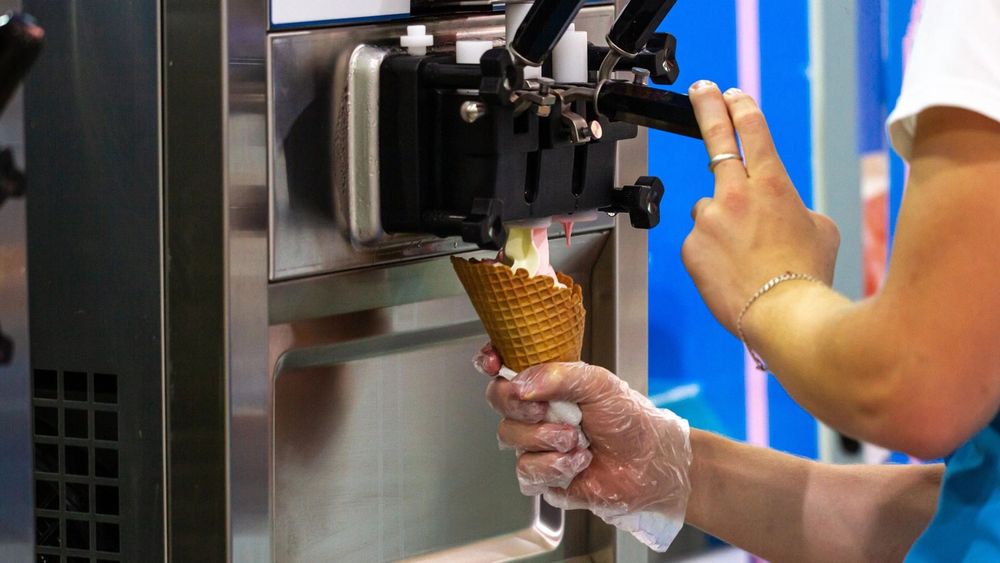
Programs built on Taylor soft serve equipment typically deliver 70-80% gross profit with 6 to 18 month payback, and a winter dessert menu keeps that asset earning instead of sitting idle until spring. Slush and frozen beverage machines switch to zero-proof winter builds for Dry January: blood orange spritz, cranberry ginger and pomegranate on the same equipment. More seasonal dessert ideas sit in our dessert trends guide.
8) Keep Equipment Running Through the Holiday Rush
The busiest weeks of the year are the worst time for a fryer, coffee machine or soft serve machine to go down. A breakdown in mid-December costs the repair plus every sale lost while the station is dark, which is why our guide to restaurant equipment breakdown costs recommends planned maintenance over waiting for failures.
Book planned maintenance in November, before the holiday peak. TFI Total Care bundles planned maintenance, reactive service calls and training for one monthly fee. TFI's technicians are factory-trained and renew their certification every year, repairs use genuine OEM parts, and emergency service runs 24/7 through the holidays. Submit a service request to book a pre-season check.

9) Ontario and Atlantic Canada: Regional Winter Notes
Ontario is Canada's largest food service market, at $3.49 billion in sales in July 2026 alone, and Dalhousie expects Ontario food prices to rise faster than the national average in 2026. That makes menu engineering, not discounting, the winter priority for operators in Toronto, Mississauga, Hamilton, Ottawa and London. For GTA operators with commuter traffic, the hot beverage menu is the place to start. TFI's Mississauga showroom supports Ontario operators with live demos and fast service response.
Atlantic Canada posted the strongest per-capita foodservice spending gains in Canada in 2025, supported by the temporary GST/HST holiday, according to Restaurants Canada, and Nova Scotia and New Brunswick are also forecast to see above-average food inflation in 2026. Winter tourism is quieter in Halifax, Dartmouth, Moncton, Saint John, Charlottetown and St. John's, so local regulars, hot comfort menus and takeout carry the season. New Brunswick households spent among the least on alcohol in Canada in 2023, $835 on average, which makes a strong zero-proof and hot drink menu a natural fit there. TFI's Dartmouth location delivers the same Franke, Taylor and Henny Penny programs available in Ontario.
10) How Canadian Operators Can Act Now (and Model ROI Fast)
For over 60 years, TFI Food Equipment Solutions has been Canada's largest supplier of specialty foodservice equipment. We work with eight national quick-service restaurant clients, roughly 94% of Canadian convenience store chains, and thousands of independent operators across Ontario, Nova Scotia, New Brunswick, Prince Edward Island, and Newfoundland and Labrador.
Match winter demand to equipment that defends margin in a year of thin real growth:
Hot beverage programs. Franke super-automatic coffee systems run the whole holiday drink menu, cut barista labour and earn 80%+ gross profit on a 6 to 12 month payback.
Fried and comfort protein. Henny Penny pressure and open fryers reduce oil use by up to 40% and protect yield as chicken prices rise.
Roasting, steaming and holiday catering. Combi ovens cover holiday trays, braises and Lunar New Year steamed dishes on one footprint.
Winter dessert. Taylor soft serve at 70-80% gross profit keeps an existing asset earning from November to March.
Finance and service. Lease-to-own, short-term rentals and planned maintenance let operators add capacity before the holidays without a capital barrier, and keep uptime through the rush.
A winter menu built on existing equipment, with holiday LTOs priced as occasions, is the most reliable way to protect margin in a year when real foodservice sales are forecast to grow just 1.5%.
11) Best Winter Menu Ideas in Canada for 2026-27
Six menu moves that map directly to the winter trend data:
Peppermint mocha and pistachio latte duo. Two of the season's top flavours on the existing coffee platform, at a premium price point.
Chai and blood orange tea menu. A short hot tea list for the guest who skips coffee, timed to tea's 9-point winter rise.
Hot honey game-day wing bundle. Pressure-fried wings sold as a pre-ordered takeout bundle for February 14, 2027.
Combi-steamed dumpling and sesame wing platter. A Lunar New Year sharing plate that crosses over from the game-day menu.
Cherry and dark chocolate soft serve twist. A Valentine's Day dessert on the Taylor machine, with an affogato option.
Zero-proof blood orange frozen spritz. A Dry January drink on the slush machine that keeps the beverage check up.
12) Winter Trend to Action to Equipment Cheat Sheet
Winter Trend | What to Do Next | Equipment or Program Action |
|---|---|---|
Comfort up 97.9% as a dinner claim | Anchor the menu on fried, roasted and creamy dishes | |
Tea up 9 points in winter | Add a short chai, spiced tea and herbal menu | Franke A Series hot water and milk; 80%+ gross profit |
Holiday flavours: peppermint, gingerbread, pistachio | Launch a two-drink holiday LTO on existing equipment | Franke super-automatic coffee; hot chocolate machines |
87% plan to dine out over the holidays | Sell planned occasions: group bookings, catering trays | Combi oven cook, hold and regenerate |
January is the driest month for alcohol | Run a zero-proof drink menu all January | Slush machines for frozen spritzes |
Super Bowl on Valentine's Day, Feb 14, 2027 | Pre-sell wing bundles and a dessert menu for the same day | Open fryers with 40% less oil; Taylor soft serve |
Lunar New Year, Feb 6, 2027 | Add a family-style sharing platter | Combi steam for dumplings and buns |
Chicken prices forecast to rise | Protect yield and cut oil per order | Henny Penny fryers with Smart Touch filtration |
Soft serve idle from November | Move to winter flavours and affogato | Taylor soft serve; 70-80% gross profit |
Winter Food Trends Canada 2026-27: FAQs
What are the winter food trends in Canada for 2026-27?
Winter 2026-27 in Canada centres on comfort food, hot drinks beyond coffee, planned occasions and a low-alcohol January. Comfort is up 97.9% as a dinner claim in Tastewise's Canadian panel, tea drinking rises 9 points in winter, and peppermint, gingerbread, chocolate and cherry lead holiday menus while pistachio launches rose 400%. Operators are pairing those flavours with fried chicken, combi-roasted dishes and winter soft serve.
What do Canadians eat and drink most in winter?
Canadians lean into hot drinks and comfort protein in winter. In the Coffee Association of Canada's Winter 2025 study, 71% drank coffee and 49% drank tea the previous day, while bottled water fell 11 points from June. Chicken remains the everyday protein at about 35.6 kilograms per capita in 2025, served fried, roasted and in shareable game-day formats.
What are the winter flavour trends for 2026-27?
Winter 2026-27 flavours are classic at the core and premium at the edges. Holiday staples like peppermint, gingerbread, chocolate and cherry lead seasonal launches, pistachio launches rose 400% in a year, and winter citrus such as blood orange, mandarin and yuzu adds brightness to rich dishes. Warm spices like cinnamon, nutmeg and clove are used more lightly, often with vanilla, honey or caramelized sugar.
Is Dry January affecting restaurants in Canada?
January is the driest month for alcohol sales in Canada, though Statistics Canada says it is unclear how much of that drop is Dry January. Statistics Canada reports retailers sold just under $1.9 billion of alcohol in January 2024 against $3.3 billion in December 2023, and alcohol volume sales have fallen four years in a row. Restaurants that run a zero-proof menu, specialty coffee, tea and frozen spritzes in January keep the drink check up while guests skip alcohol.
Should restaurants keep soft serve machines running in winter?
Yes, in most cases. The machine is already paid for, and winter flavours like peppermint, gingerbread, pistachio and cherry chocolate turn soft serve into an indulgent dessert rather than a cooling treat. Taylor soft serve programs deliver 70-80% gross profit, and our soft serve profitability guide shows how a smaller winter volume still pays.
How can Canadian operators protect margin this winter?
The reliable moves are holiday LTOs on existing equipment, fryers that cut oil use, combi ovens for catering and rotating specials, and planned maintenance before the holiday peak. Restaurants Canada expects real foodservice sales to grow just 1.5% in 2026, and 41% of operators are running at a loss or breaking even. Our summer food trends guide covers the same margin logic for the other side of the calendar.
Reach out to food equipment experts
TFI Food Equipment Solutions supports Ontario, Nova Scotia, New Brunswick, Prince Edward Island, and Newfoundland and Labrador with sales, installation, training, rentals, leasing, and 24/7 OEM-quality service. Winter is the season Canadian operators win on comfort, warm drinks and planned occasions, and a coffee, fried chicken, combi or soft serve program installed before the holidays captures the full run from Christmas to Family Day. We are Canada's leading distributor of Taylor, Franke, Henny Penny, LightFry, and Icetro food equipment.
Ask for an equipment demo in Mississauga or Dartmouth, or request a free quote today.

Nicole Camposeo-Cheung is the Director of Marketing, People & Culture at TFI Food Equipment Solutions, Canada’s leading provider of premium commercial foodservice equipment. She combines her expertise in business management and fashion arts to foster a dynamic, innovative, and people-centric corporate culture. Passionate about empowering teams, building strong client relationships, and driving growth through creativity and collaboration, Nicole plays a key role in shaping TFI’s brand and workplace culture. She also shares her industry expertise and insights through the TFI blog, helping foodservice professionals stay informed about the latest trends, best practices, and innovations in commercial food equipment.
Add a comment
This will be publicly visible.
Your email address will not be published.
Your comment will be reviewed by an admin before it is published.


