Fall Food Trends in Canada 2026: Data-Backed Guide
Fall 2026 is the season Canadian operators rebuild margin after summer. Here is the data on what Canadians eat and drink from September to November, the flavour shift beyond pumpkin spice, and the menu moves and equipment that turn comfort demand into profit.

Fall food trends in Canada for 2026 arrive in a tighter market than any recent season. Canadian foodservice is a $125 billion industry employing nearly 1.2 million people, but real sales are forecast to fall 1.1% in 2026 after growing 2.4% in 2025, and 44% of restaurants were operating at a loss or breaking even as of November 2025. Fall is where operators recover the margin summer volume built. This guide breaks down what Canadians actually eat and drink from September to November, the flavour shift moving past pumpkin spice, and the equipment that turns comfort-season demand into durable profit.
Planning a fall menu change or an equipment upgrade before Thanksgiving? Request a free consultation from TFI's team in Ontario or Atlantic Canada.
Only 12% of Canadian restaurants were operating at a loss or breaking even in 2019. That figure reached 44% by November 2025. Fall menu decisions in 2026 are margin decisions, not seasonal decorations.
1) The Big Fall Food Trends in Canada for 2026
Fall 2026 in Canadian foodservice is defined by comfort with a sharper edge, beverages that drive visits rather than support them, and a consumer who has stopped ordering on impulse.
Comfort is the dominant menu motivator. Consumer interest in comfort as a food motivator is up 87%, with nostalgia up 56% in the Canadian market, and the restaurant channel is where both signals are building fastest.
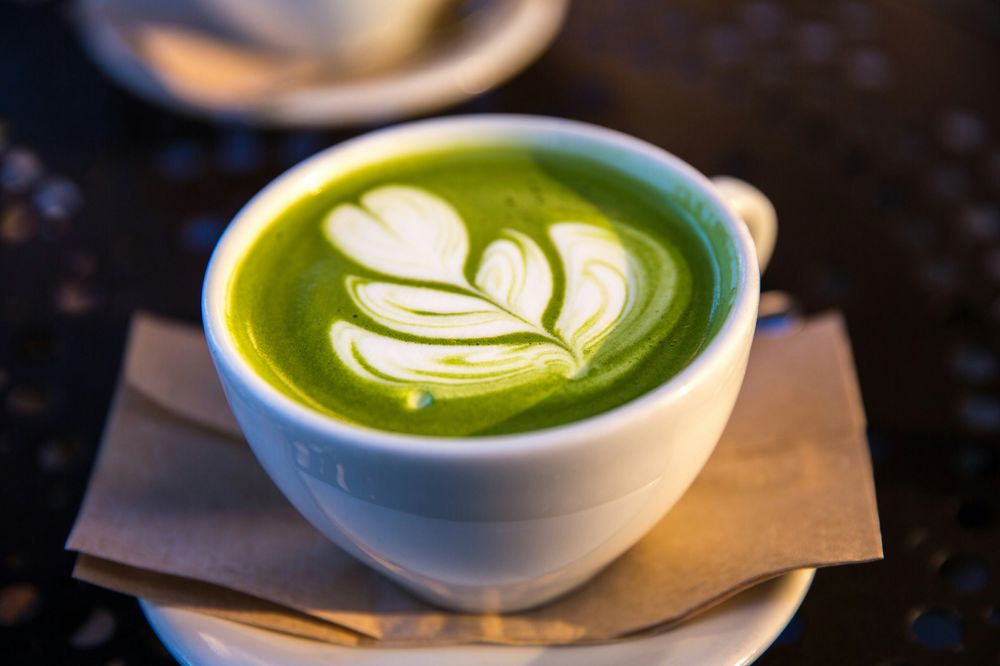
Pumpkin spice no longer carries the season alone. Pumpkin spice latte led North American search interest in just 3 states in late August 2026, down from 32 in 2025 and 48 in 2024, while matcha latte led in 29.
Beverages become traffic drivers. Technomic's 2026 Canadian outlook names "Liquid Assets" as a defining trend, with beverages moving from a supporting menu role to a driver of visitation and flavour discovery.
Impulse ordering is eroding. The same outlook flags "Spontaneity Subsides": inflation-weary Canadians are cutting the impulse restaurant occasion faster than any other. Fall menus have to earn a planned visit.
Canadian sourcing is a menu claim. Technomic's "Homegrown Highlights" prediction points to demand for Canada-grown ingredients and radically transparent sourcing, and Canadian identity as a product claim is up 17%.
Clean label and protein hold through the comfort season. Clean label interest is up 132% and high-protein products up 44%, which means fall indulgence now shares the menu with functional positioning rather than replacing it.
Coffee stays the anchor beverage. 71% of Canadians drank a coffee beverage yesterday in the Coffee Association of Canada's most recent study, with 45% on traditional coffee and 29% on espresso-based drinks.

Comfort demand is up 87% while impulse visits are shrinking. The operators who win fall 2026 are the ones giving guests a specific, planned reason to come in, not a wider menu.
2) Fall Consumption in Canada: What Canadians Actually Eat and Drink
Canadian fall eating is built on harvest produce, hot beverages, and shared meals around a compressed holiday calendar. September and October are when Canada's pumpkin and squash supply peaks, with exports of pumpkins, squash and gourds topping 37.2 million kilograms and harvest concentrated in those two months. Ontario alone grows more than three-quarters of Canada's harvested pumpkin acreage, which makes local sourcing a genuinely credible claim for Ontario operators rather than a marketing line.
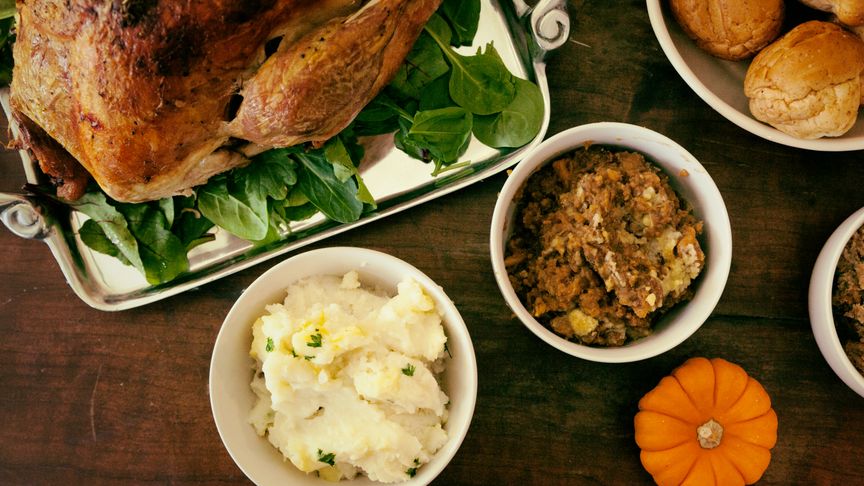
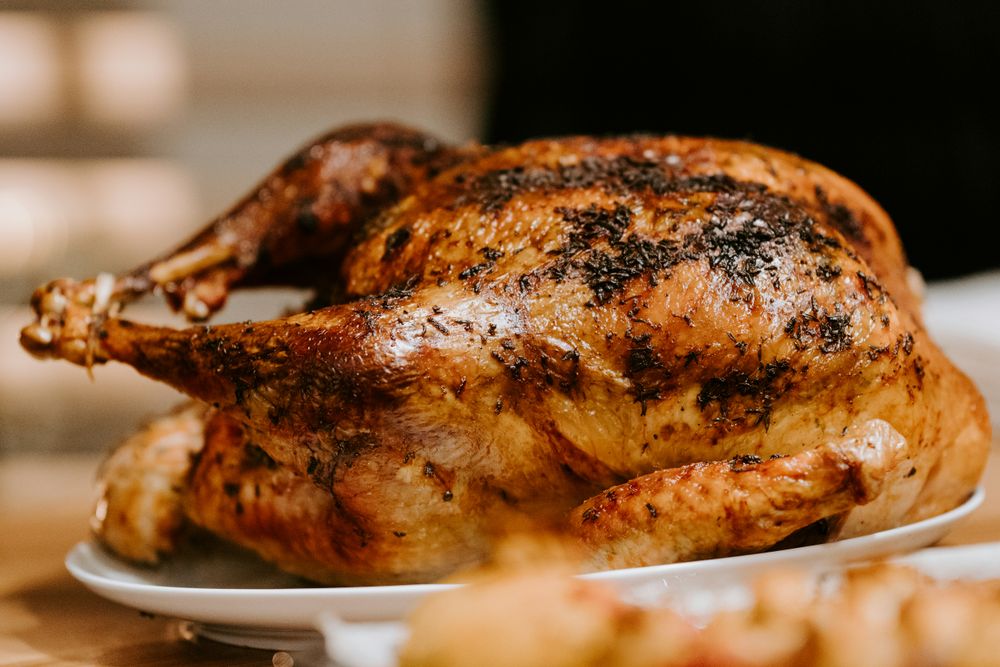
Turkey demand is the sharpest single-day spike in the Canadian food calendar. 2.1 million whole turkeys were purchased at Thanksgiving 2025, equal to 37% of all whole turkeys sold in the entire year, against total consumption of 129.0 million kilograms and 3.1 kilograms per capita. For foodservice, the opportunity is not the whole bird. It is the roasted, carved, and sandwich formats that capture guests who no longer want to cook one.
Chicken remains the everyday protein underneath the season at roughly 34.8 kilograms per capita annually, and fall shifts it from grilled and summery into fried, saucy, and shareable formats as indoor dayparts and sports viewing return.
On the beverage side, the honest picture is mixed. Hot drinks in Canada recorded a modest retail volume decline for a third consecutive year in 2025, with sugar-heavy chocolate-based drinks continuing to fall while functional and botanical options gained. The fall beverage win in 2026 is not more sugar. It is better beverages at a defensible price. Our consumer food trends guide covers the full-year value, private label, and ready-made meal picture that sits behind these seasonal shifts.
3) Fall Flavour Trends for 2026: Beyond Pumpkin Spice
The clearest signal in fall 2026 is that pumpkin spice has gone from the season's headline to one option among many. Flavour research describes the season as "familiar comfort with a sharp edge", pairing traditional autumn structures with acidity, heat, smoke, and fermented tang. Four clusters matter most for Canadian menus.
Toasted comfort and pumpkin successors. Brown butter, pecan, maple, apple cider, chai, speculoos, sticky toffee, and chestnut now carry the warm end of the season. Maple in particular gives Canadian operators a homegrown claim that lands with the sourcing transparency trend.
Orchard and dark-fruit acid. The fruit direction shifts away from the grapefruit and yuzu of summer toward tart cherry, plum, blackberry, pomegranate, cranberry, pear, and fig. These profiles cut through heavy comfort dishes and give beverages a fall identity without added sugar.
Layered sweet heat. Hot honey, chili crisp, gochujang, chipotle, harissa, and tamarind continue from summer but restructure for fall: maple or honey for sweetness, fruit acid for sharpness, global pepper formats for heat. This is the single easiest crossover from a summer menu that already worked, and our summer food trends guide covers where those profiles started.
Tea, botanical, and global dessert. Hojicha, matcha, bergamot, chai, and jasmine anchor the beverage side, while pistachio, cardamom, tahini, black sesame, and ube lead premium dessert. Matcha interest in Canada is up 87%, and it now outpaces pumpkin spice in North American seasonal beverage search.
4) Hot Beverage Season: The Canadian Coffee Mix Swings Back
Fall is when Canadian beverage mix rotates back toward hot, and coffee is the highest-frequency purchase on any menu. With 71% of Canadians drinking a coffee beverage daily and espresso-based drinks at 29%, the fall question for operators is throughput and consistency, not whether to sell coffee.
The seasonal launch data is unambiguous about what a well-executed fall beverage program does to traffic. Starbucks' 2025 fall menu launch drove a traffic surge of more than 27% against average Tuesday traffic and the chain's strongest sales Tuesday ever, roughly twice the lift competitors generated from comparable moves. That effect is available to independent operators, cafes, and convenience stores, but only where the equipment can hold drink quality through a rush.
Three moves separate operators who capture fall beverage margin:
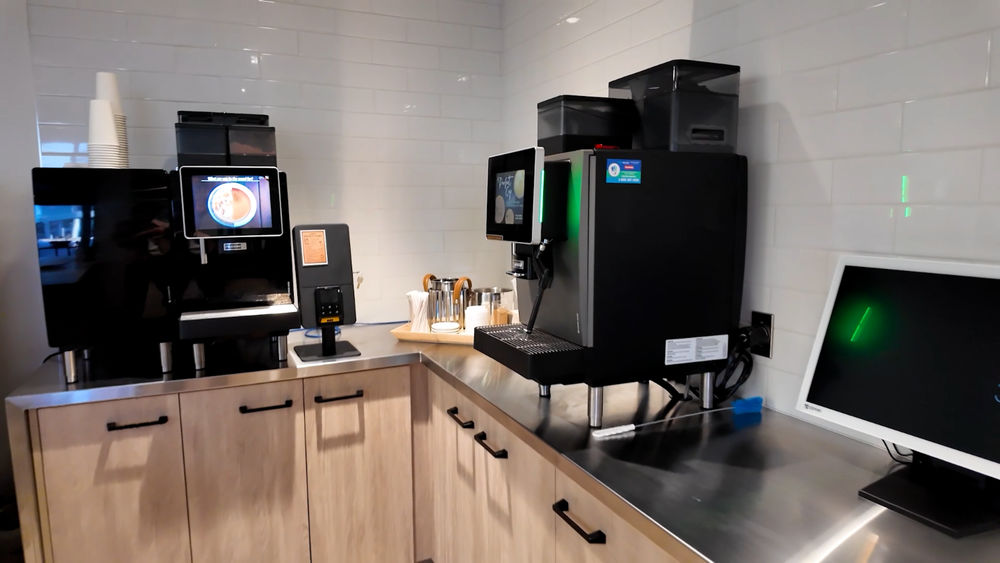
Standardize the seasonal menu on one platform. A Franke A Series super-automatic system produces lattes, flat whites, Americanos, chai-style builds, and cold foam from a single unit with consistent extraction across shifts. Programs earn 80%+ gross profit with 6 to 12 month payback.
Build the fall LTO around syrup and topping, not a new machine. Brown butter, maple pecan, apple cider, and chai profiles run on the same equipment as the core menu. The margin comes from a higher price point on the same labour minute.
Keep a hot chocolate and specialty line for the non-coffee guest. Chocolate-based retail volumes are declining, but the foodservice opportunity is premium and functional rather than sweet. Commercial hot chocolate machines capture the family, youth, and evening dayparts that coffee misses.
Our coffee trends in Canada guide has the full breakdown on espresso mix, cold crossover, and plant-based milk adoption across the year.
5) Comfort Food, Fried Chicken, and the Hot Case
Comfort demand up 87% translates directly into fried, braised, roasted, and hot-held menu items. Fall is the season fried chicken programs, wing menus, hot sandwiches, and prepared hot cases do their heaviest volume, driven by indoor dayparts, sports viewing, and the shift away from patio traffic.

The margin risk in a comfort season is oil and labour, both of which are already operator pain points: 88% of Canadian operators cite food costs and 89% cite labour costs as top concerns. Equipment choice is where those two costs are controlled.
Pressure fryers for bone-in chicken, tenders, and hand-breaded sandwiches. Henny Penny pressure fryers hold moisture at shorter cook times, which protects yield when fall volume spikes.
Open fryers with automatic filtration. Henny Penny open fryers cut oil use by up to 40% through Smart Touch filtration. Across a full fall and winter season, that is a recurring line-item saving rather than a one-time gain. Our guide on cutting fryer oil costs shows the calculation.
Combi ovens for roasted proteins, braises, squash and root vegetable sides, and holiday turkey formats. Combi ovens let a single unit roast, steam, and hold, which is the flexibility a fall menu with rotating specials actually needs.
Clamshell and flat-top grills for hot sandwiches and breakfast items as morning traffic moves indoors. Taylor two-sided grills cut cook times and labour per order during peak rush.
Oil-free air fryers for the clean-label side of a comfort menu. LightFry commercial air fryers serve air-fried wings and sides without a second oil line, which matters when clean-label interest is up 132%.
Wing programs deserve their own plan through fall, and our chicken wing trends guide covers sauce mix, portioning, and equipment throughput for the season.
6) Thanksgiving, Halloween, and the Fall Traffic Calendar
Canadian fall traffic is concentrated into a short run of dated events, and each one rewards a different operational setup.
Thanksgiving (second Monday in October). The 2.1 million whole turkeys sold in the Thanksgiving window represent guests who are cooking at home. The foodservice opportunity is everyone else: prepared holiday trays, roasted turkey sandwiches and bowls in the two weeks afterward, and family meal bundles for households that want the meal without the work. Combi ovens carry this window because they cook, hold, and regenerate on one footprint.
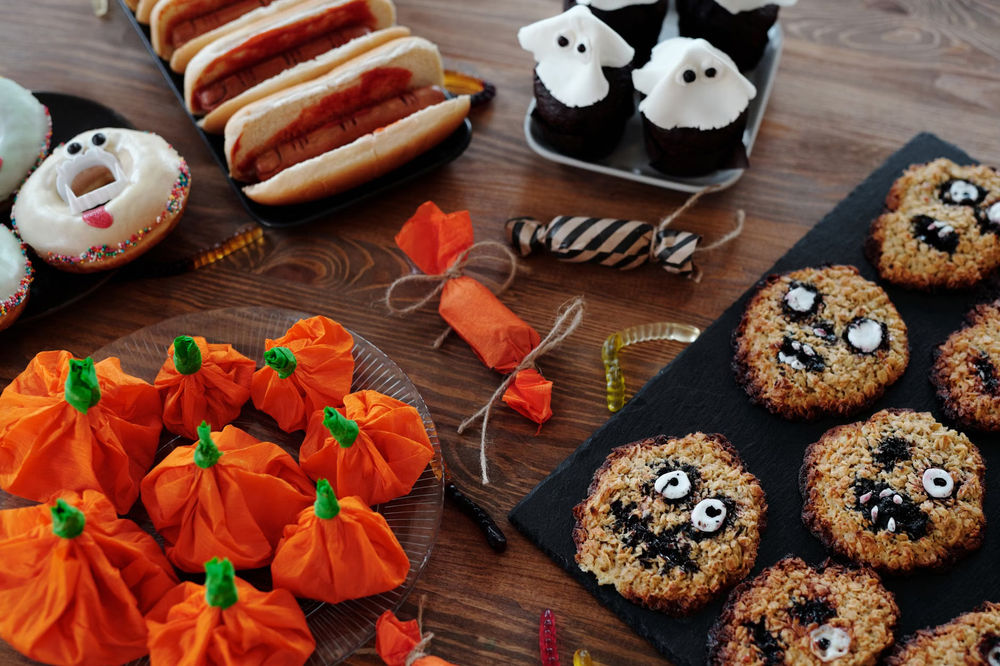
Halloween (October 31). Dalhousie's Agri-Food Analytics Lab found Canadian households spending 10 to 20% more on Halloween treats in 2025 than the year before, with cocoa futures still running near double their 2023 level. Packaged confectionery is getting more expensive and smaller, which is exactly the opening for foodservice. Halloween is a dessert and beverage LTO occasion rather than a meal occasion: themed soft serve, novelty toppings, and orange-and-black frozen beverage builds move volume in the final week of October.
Back-to-routine (September). The return of school and office schedules restores weekday morning and lunch traffic. This is the highest-value fall window for coffee, breakfast sandwiches, and grab-and-go hot food, and it starts before any holiday LTO.
Sports and indoor viewing (September onward). Hockey and football seasons rebuild the evening shareable daypart around wings, fried chicken, and hot appetizers.
Because impulse visits are eroding, each of these needs to be promoted ahead of time rather than merchandised at the counter. Our QSR trends guide covers how Canadian quick-service operators are structuring planned-visit promotions in 2026.
7) Frozen Desserts in Fall: Do Not Let the Machine Go Quiet
The most common margin mistake Canadian operators make in fall is shutting down the soft serve or frozen beverage line in September. Frozen dessert demand drops from its July peak, but it does not disappear, and the equipment is already paid for.
Fall reframes frozen dessert from a cooling product to a comfort product. Warm-and-cold pairings carry the season: apple crumble sundaes, maple pecan soft serve, sticky toffee swirls, pumpkin or chai twists, and affogato builds that pair the soft serve machine with the espresso machine already on the counter. Texture-led indulgence including crumble, brittle, marshmallow, and s'mores formats is one of the defining fall 2026 dessert directions.

Programs built on Taylor soft serve equipment typically deliver 70-80% gross profit with 6 to 18 month payback, and a fall dessert menu keeps that asset earning through the shoulder season instead of sitting idle for six months. Slush and frozen beverage machines convert to cranberry, spiced apple, and dark-fruit builds on the same equipment. Deeper margin math sits in our soft serve profitability guide and seasonal ideas in the dessert trends guide.
8) Ontario and Atlantic Canada: Regional Fall Notes
Ontario runs the longest fall season and the deepest harvest supply. With more than three-quarters of Canada's pumpkin acreage and a dense apple and squash growing base, Ontario operators can make local-sourcing claims that hold up under the transparency expectations Technomic flags for 2026. Toronto, Mississauga, Brampton, and Hamilton carry weekday commuter coffee and lunch volume from early September through November. TFI's Mississauga showroom supports Ontario operators with demos and fast service response.
Atlantic Canada moves into fall earlier and harder. Halifax, Dartmouth, Moncton, Charlottetown, and St. John's see tourism volume drop sharply after Labour Day, which makes local repeat traffic and hot comfort menus the priority rather than seasonal peak capture. Atlantic Canada also posted the strongest per-capita foodservice gains in 2025, and apple production in the region declined 9.7% that year, which tightens local supply and raises the value of a well-planned menu. TFI's Dartmouth location delivers the same Franke, Taylor, and Henny Penny programs available in Ontario.
9) How Canadian Operators Can Act Now (and Model ROI Fast)
For over 60 years, TFI Food Equipment Solutions has been Canada's largest supplier of specialty foodservice equipment. We work with eight national quick-service restaurant clients, roughly 94% of Canadian convenience store chains, and thousands of independent operators across Ontario, Nova Scotia, New Brunswick, Prince Edward Island, and Newfoundland and Labrador.
Match fall demand to equipment that defends margin in a year forecast to contract:
Hot beverage programs. Franke super-automatic coffee systems standardize seasonal drinks and cut barista labour while earning 80%+ gross profit on a 6 to 12 month payback.
Fried and comfort protein. Henny Penny pressure and open fryers reduce oil use by up to 40% and protect yield through the heaviest indoor volume of the year.
Roasting, holding, and holiday formats. Combi ovens cover Thanksgiving trays, braises, and roasted sides on one footprint, with holding capability that reduces waste on rotating specials.
Shoulder-season dessert. Taylor soft serve and slush programs at 70-80% gross profit keep an existing asset earning from September through November.
Finance and service. Lease-to-own, short-term rentals, and TFI Total Care planned maintenance let operators add capacity inside the fall window without a capital barrier, and keep uptime through the Thanksgiving and holiday rush.
A fall menu that adds price without adding labour minutes is the only reliable margin move in a year where real foodservice sales are forecast to decline. Equipment is what makes that possible.
10) Best Fall Menu Ideas in Canada for 2026
Five menu moves that map directly to the fall trend data:
Maple pecan latte with brown butter cold foam. A homegrown flavour claim and a premium price point on the existing coffee platform.
Hot honey and maple pressure-fried chicken sandwich. Carries the layered sweet heat trend into the season's highest-volume comfort format.
Roast squash and grain bowl with tahini. Combi-oven roasted local produce, clean-label positioning, and a protein add-on.
Apple crumble soft serve sundae. Warm-and-cold pairing that keeps the frozen dessert line running past September.
Spiced cranberry frozen beverage. Dark-fruit acid on the slush machine, with a Halloween and holiday LTO built into the same SKU.
11) Fall Trend to Action to Equipment Cheat Sheet
Fall Trend | What to Do Next | Equipment or Program Action |
|---|---|---|
Comfort as motivator up 87% | Build the menu around fried, roasted, and braised anchors | |
Pumpkin spice loses share to matcha, chai, brown butter | Launch a multi-flavour fall LTO, not a single pumpkin SKU | Franke A Series super-automatic; 80%+ gross profit |
Beverages become visit drivers | Promote the fall drink menu ahead of the visit | Super-automatic coffee plus hot chocolate machines |
Impulse ordering erodes | Sell planned occasions: bundles, family meals, holiday trays | Combi-oven roast-and-hold capacity |
Thanksgiving: 37% of annual whole turkey sales in one window | Offer prepared trays and post-holiday turkey formats | Combi oven buyer's guide for roast, hold, and regenerate |
Clean label up 132% | Add air-fried wings and sides beside traditional fried | LightFry air fryers for oil-free service |
Orchard and dark-fruit acid profiles | Convert frozen beverage SKUs to cranberry and spiced apple | |
Frozen dessert demand drops but does not stop | Move soft serve to warm-and-cold comfort pairings | Taylor soft serve; 70-80% gross profit |
Food and labour costs top operator concerns | Cut oil spend and labour minutes per order | Open fryers with automatic filtration; 40% less oil |
Fall Food Trends Canada 2026: FAQs
What are the fall food trends in Canada for 2026?
Fall 2026 in Canada centres on comfort with contrast, beverages as traffic drivers, and a shift beyond pumpkin spice. Comfort as a food motivator is up 87% and nostalgia up 56% in the Canadian market, while Technomic's outlook names beverages as drivers of visitation rather than menu support. Operators are adding brown butter, maple, chai, and dark-fruit profiles alongside fried chicken, roasted produce, and warm-and-cold dessert pairings.
Is pumpkin spice still a fall trend in Canada?
Pumpkin spice is still a valid seasonal item but it no longer defines the season. Pumpkin spice latte led North American seasonal coffee search in only 3 states in late August 2026, down from 32 in 2025 and 48 in 2024, with matcha latte leading in 29. The stronger 2026 play is a multi-flavour fall lineup built on brown butter, maple pecan, apple cider, chai, and speculoos.
What do Canadians eat most in the fall?
Canadian fall eating concentrates on harvest produce, turkey, and fried and roasted comfort formats. 2.1 million whole turkeys were bought at Thanksgiving 2025, equal to 37% of annual whole turkey sales, and chicken remains the everyday protein at roughly 34.8 kg per capita. Pumpkin and squash supply peaks in September and October, with Ontario growing more than three-quarters of Canada's harvested pumpkin acreage.
What are the fall flavour trends for 2026?
The 2026 fall flavour direction is comfort with a sharp edge. Warm profiles include brown butter, pecan, maple, apple cider, chai, speculoos, sticky toffee, and chestnut. Contrast comes from orchard and dark fruit (tart cherry, plum, blackberry, pomegranate, cranberry), layered sweet heat (hot honey, chili crisp, gochujang, harissa), and tea-forward botanicals (hojicha, matcha, bergamot, jasmine).
Should restaurants keep soft serve machines running through the fall in Canada?
Yes, in most cases. Frozen dessert demand falls from its summer peak but the equipment is already capitalized, and fall reframes soft serve as a comfort pairing rather than a cooling product. Apple crumble sundaes, maple pecan swirls, and affogato builds keep a 70-80% gross profit program earning through the shoulder season instead of idling until spring.
How can Canadian operators protect margin in fall 2026?
Real Canadian foodservice sales are forecast to decline 1.1% in 2026, with 88% of operators citing food costs and 89% citing labour as top concerns. The reliable moves are raising price without adding labour minutes (seasonal LTOs on existing equipment), cutting oil spend with automatic-filtration fryers, and using combi ovens to run rotating specials without adding stations. Our spring food trends guide covers the same margin logic on the other side of the calendar.
Take the Next Step
TFI Food Equipment Solutions supports Ontario, Nova Scotia, New Brunswick, Prince Edward Island, and Newfoundland and Labrador with sales, installation, training, rentals, leasing, and 24/7 OEM-quality service. Fall is the season Canadian operators rebuild the margin summer volume earned, and a coffee, fried chicken, combi, or dessert program installed before Thanksgiving captures the full run into the holidays. We are Canada's leading distributor of Taylor, Franke, Henny Penny, LightFry, and Icetro food equipment.
Ask for an equipment demo in Mississauga or Dartmouth, or request a free quote today.

Nicole Camposeo-Cheung is the Director of Marketing, People & Culture at TFI Food Equipment Solutions, Canada’s leading provider of premium commercial foodservice equipment. She combines her expertise in business management and fashion arts to foster a dynamic, innovative, and people-centric corporate culture. Passionate about empowering teams, building strong client relationships, and driving growth through creativity and collaboration, Nicole plays a key role in shaping TFI’s brand and workplace culture. She also shares her industry expertise and insights through the TFI blog, helping foodservice professionals stay informed about the latest trends, best practices, and innovations in commercial food equipment.
Add a comment
This will be publicly visible.
Your email address will not be published.
Your comment will be reviewed by an admin before it is published.


